



Polyester fabric. What is it? What is it used for? Advantages and disadvantages
Publicado el 3 March, 2026
Polyester belongs to the polymer family and is one of the most widely used fibers in the world, especially in technical fashion. However, continuous advances in the sector have contributed to creating polyester fabrics that manage to imitate both the texture and feel of natural fibers.
It is common to find this fabric in solid colors, with classic and avant-garde prints, or even printed with custom designs:
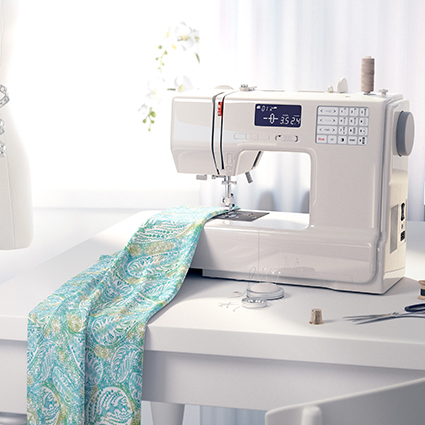
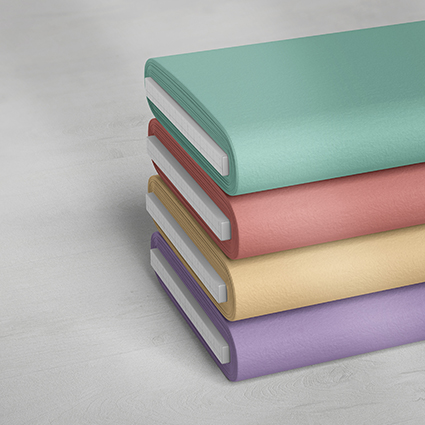
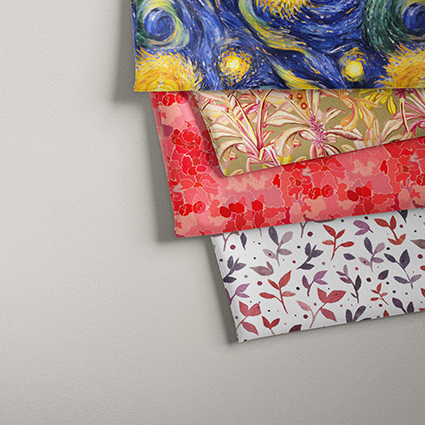
Polyester is a synthetic fiber that offers a very wide range of possibilities:
- The color intensity of the print is greater.
- Greater resistance to humidity, abrasions, and extreme weather conditions.
- Easy to wash.
- Does not deform easily.
- Greater durability.
Common uses
Although polyester is mainly used in sportswear due to its versatility, it can also be used for more fashion-oriented purposes, creating collections full of elegance and color.


Currently, it is possible to find polyester fabrics with a feel similar to natural fibers. At Waixo, we have a wide variety of references designed for all types of uses: fabrics for dresses, fabrics for shirts, for swimwear...
Sustainability
One of the alternatives to virgin polyester is Recycled Polyester, created from the recycling of plastic bottles or polyester yarn, generally. If a more sustainable solution is desired, there are several alternatives that can be perfectly compatible:
- The substitution of traditional polyester with Recycled Polyester. This fiber is formed from the recycling of plastic bottles, so it will always be a very suitable option to contribute to creating an eco-friendly collection.
- Among the inks commonly used for sublimation, water-based ones are the most environmentally friendly. Water-based inks are those composed of water as a solvent base to transport the pigment, so they do not contain any polluting components.
One of its main characteristics is that, in addition to providing intense color strength, the feel of the print is softer than other fabric prints.