



Why Flamenco Dresses Are Polka-Dotted: History, Tradition, and Fashion
Publicado el 9 March, 2026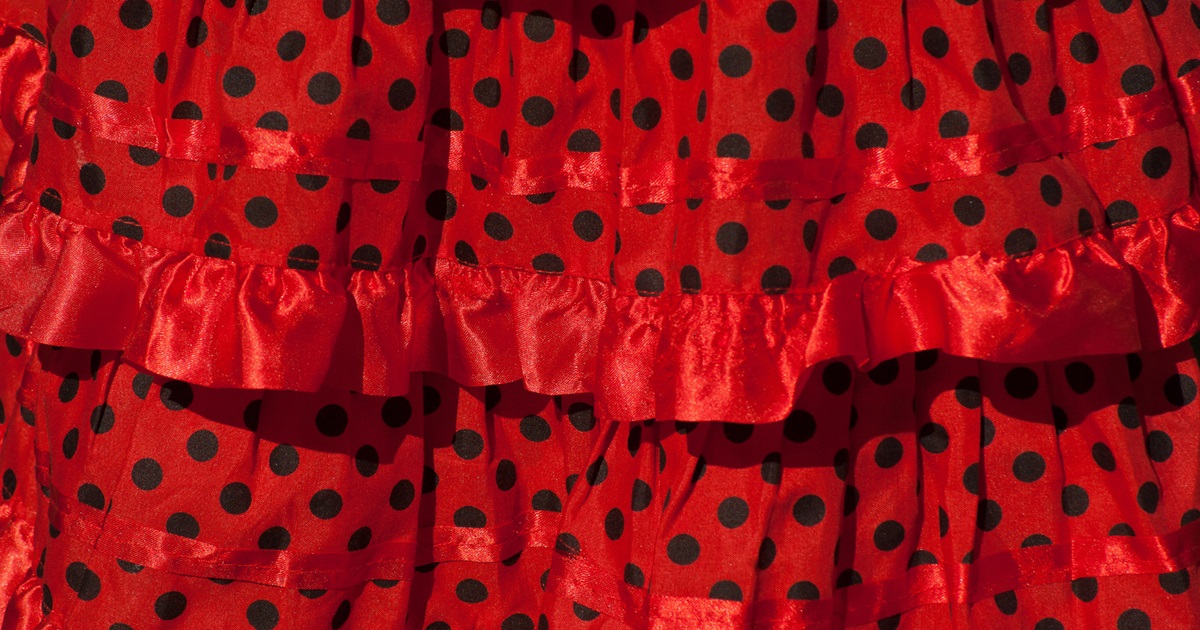
The flamenco dress is synonymous with joy, tradition, and art. And if there's one print that defines this iconic garment, it's polka dots.
But have you ever wondered why flamenco dresses have polka dots? In this article, we'll tell you about their origin, evolution, and what this pattern represents both inside and outside the world of flamenco.
The origin of polka dots in flamenco dresses
It all began at 19th-century cattle fairs, when rural women, especially Andalusian day laborers, attended these celebrations wearing work smocks patterned with small polka dots. These comfortable and affordable smocks eventually became the basis of the current gypsy dress.
The curious thing is that these polka dots were not intended as a fashion print, but rather arose by error in textile manufacturing. Imperfections in printing created irregular rounded shapes, which made these fabrics very cheap and accessible to the working classes.
However, the striking aesthetic of polka dots captivated high society, who eventually adopted and reinvented them, incorporating them into more elaborate and sophisticated garments. Thus, what began as a technical flaw ended up becoming the quintessential symbol of the flamenco dress.
From working class to symbol of elegance
Over time, these garments evolved into elaborate dresses, with ruffles, vibrant colors, and feminine silhouettes. Polka dots remained a symbol of authenticity and femininity, gaining prestige until they reached flamenco haute couture.
What do polka dots symbolize?
- Movement and vitality: The print enhances body movement, especially when dancing sevillanas or bulerías.
- Tradition and roots: It is an easily recognizable print that directly connects with Andalusian culture.
- Timeless aesthetic: Despite fleeting trends, polka dots always come back and never fail.
Polka dots in current flamenco fashion
Today, polka-dot gypsy dresses continue to be the protagonists of fairs and pilgrimages. Modern designers reinvent the classic with XXL polka dots, multicolor, or combined with lace, but without losing their essence.
Even outside flamenco, this print has conquered catwalks and collections of major fashion brands.
What fabrics are used for flamenco dresses?
The choice of fabric is key for the gypsy dress to look as it should. Over time, some materials have become favorites of flamenco dressmakers:
- Poplin: Lightweight and fresh, ideal for combating the high temperatures of Andalusian fairs.
- Crepe: Highly valued for its unique fluid drape and rough texture.
- Lycra: Adapts to the feminine silhouette providing fit and comfort.
- Laces and tulles: Add an air of delicacy and romanticism to the final design.
At Waixo, you can customize any of these fabrics with your favorite polka dot print.
Design your flamenco fabric
At Waixo we create custom fabrics for designers and brands who want to give a unique twist to their collections.
Frequently Asked Questions about the Flamenco Dress
What is the true origin of polka dots on dresses?
They arose from fortuitous errors in 19th-century fabric printing. Being more economical, country women used them in their work smocks, thus giving birth to a popular tradition that reached high society.
What does this print symbolize in flamenco?
It represents movement, vitality, and connection with Andalusian cultural roots, being a timeless element that brings authenticity to the feminine silhouette.