


Pleated Fabrics: What are they?
Publicado el 15 January, 2024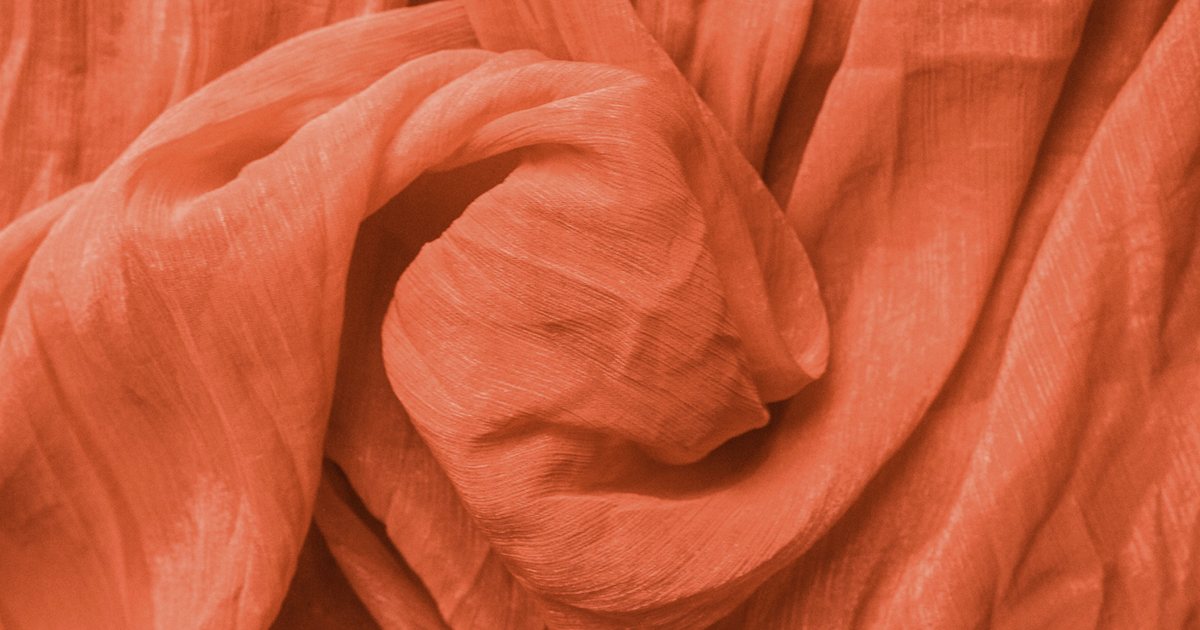
Pleated fabrics are created through a special pleating process that involves folding and pressing the fabric into even, regular pleats. This process is generally carried out on lightweight and flexible fabrics, such as chiffon, silk, and cotton. The pleats can be of different sizes and directions, allowing for a wide variety of designs and styles.
Pleating is an ancient textile technique that has been used in different cultures and eras in fashion history. Its ability to add texture and movement to fabrics makes it a valuable resource for designers and creators.
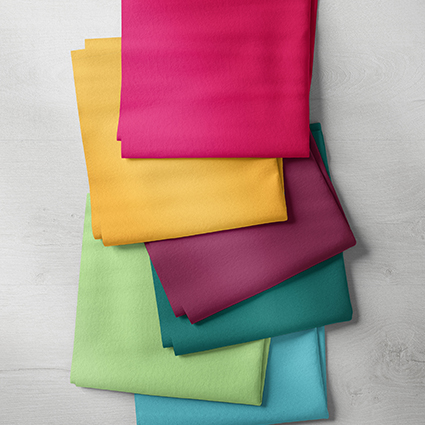
It is common to find this type of fabric in plain colors, with classic and modern prints, or printed with custom designs:
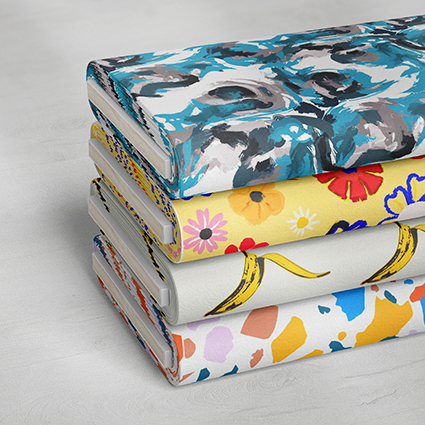
Pleated fabrics are a textile marvel that has captivated fashion and decoration with their elegance and versatility. These fabrics, characterized by their uniform folds and pleats, add a touch of sophistication and movement to any project. In this article, we will explore what pleated fabrics are exactly, their distinctive characteristics, and the many uses they have in the world of fashion and decoration.
Characteristics of pleated fabric
The most prominent characteristics of pleated fabrics include:
- Unique Texture: The folds and pleats add a three-dimensional texture to the fabric that makes it attractive and striking.
- Movement and Flexibility: Pleated fabrics have a certain elasticity and fluidity that allows them to move gracefully and adapt to the shape of the body or objects.
- Lightness: Pleated fabrics are often light and airy, making them comfortable to wear and suitable for summer garments and interior decoration.
- Variety of Styles: Pleats can vary in size and direction, allowing for a wide range of designs, from elegant vertical pleats to more structured horizontal folds.
Common uses
Pleated fabrics are used in a variety of applications, including:


- Fashion: Pleated garments, such as dresses, skirts, blouses, and scarves, are popular for their elegance and movement. Pleating adds a touch of sophistication to fashion.
- Interior Decoration: Pleated curtains and cushion covers are popular options for interior decoration. Pleats add texture and style to spaces.
- Weddings and Special Events: Pleating is used in making wedding dresses and event decorations, such as curtains and decorative arches.
- Arts and Crafts: Pleated fabrics are also valued in craft projects to create fabric flowers, bows, and decorative details.
Manufacturing or special aspects
The manufacturing of pleated fabrics involves a meticulous process that requires experience and skill. Pleats are created using heat, steam, or pressure, depending on the type of fabric and the desired result.
It is important to mention that pleated fabrics require special care in washing and ironing to maintain the pleats in their original shape. In addition, pleats can vary in terms of density and size, allowing for a wide range of visual effects and textures.
If you are looking for an original pleated fabric, you can print your custom fabric here. You will also find pleated fabrics in plain colors, with more than 2,000 color references, and hundreds of printed pleated fabrics.
In summary, pleated fabrics are a fascinating option that adds elegance and dynamism to fashion and decoration. Their unique texture and ability to adapt to a variety of projects make these fabrics appreciated by both fashion designers and creative lovers. Whether you are looking to bring your wardrobe to life or add a touch of style to your home, pleated fabrics offer you a palette of possibilities to express your elegance and creativity.