



Sustainable fashion is in your hands
Publicado el 30 September, 2016
At Waixo we are much more than fabrics, which is why today we are going to talk about Fashion and Sustainability! The textile industry manufactures 150 billion garments a year and emits 10% of the world's CO2. Knowing this, do you still believe that fashion can be designed without abandoning your sustainable conscience?
When we talk about sustainability, we do so in relation to three terms: economic sustainability, social sustainability, and environmental sustainability. At Waixo, we are highly committed to sustainability in its three aspects—which led us to receive a special jury mention at Sustainable Week 2016—although in this post we will discuss sustainability from an environmental perspective and how this affects us and the fashion world in general.
The environment is always affected, to a greater or lesser extent, by any type of industrial activity we carry out. The world of fashion, where apparently everything is luxury and wealth, also owes its existence to the textile industry, which is responsible for both manufacturing fabrics and trimmings and for making garments. All these processes have an environmental impact—and evidently also a social and economic one, as we will discuss in future entries—that we can all reduce if we know what factors we should take into account when choosing the fabrics we use.
As we already know, the raw material we use for our designs (cotton, silk, polyester, etc.) is one of the key factors when deciding on one over another based on our environmental awareness. However, it is not the only important thing. The cultivation, treatment, or synthesis processes of these materials are what will truly tell us how dangerous the material is for the environment.
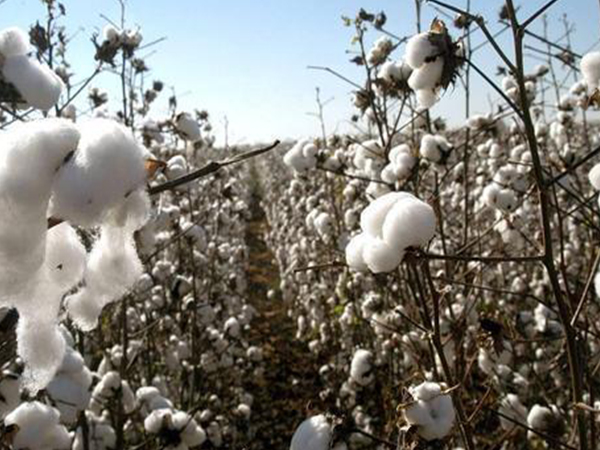
Large cotton crops lead to overexploitation of the land, which can leave it barren, in addition to consuming a large amount of water and other natural resources. Not to mention the quantity of pesticides and strong chemical fertilizers required. For this reason, it is better to use and promote the use of organic cotton, which is planted in small crops without the need for fertilizers or pesticides. Furthermore, the use of fertilizer can be avoided thanks to composting techniques that also serve to reuse waste that we do not know how to dispose of, such as fruit peels or meat we threw away last week.
The synthesis process of polyester, for its part, involves using less water than cotton plantations (we recommend reading Adolfo Dominguez's manifesto in favor of using polyester: http://www.adolfodominguez.com/gf- and emits less CO2 during its useful life. However, during its synthesis process, petroleum-derived elements are used, which on the one hand, requires the use of a non-renewable and exhaustible material, and on the other hand, causes a strong emission of greenhouse gases. The solution to this is simple: use recycled polyester. This is obtained from plastic bottles (an extra point for giving a purpose to harmful bottles) using 90% less water than the chemical polyester synthesis process. In addition, it significantly reduces CO2 emissions and consumes little energy.

Other so-called "new generation" fabrics are also put forward as great alternatives to cotton and polyester. Among them we highlight recycled silk yarn, rock wool (extracted from volcanic rock) or vegan horn (a mixture of rubber and cotton). Without forgetting all those renewable materials derived from cellulose: that, at times forgotten, raw material that nature gives us and that makes the CO2 cycle zero, thanks to the fact that the CO2 emitted when processing it is the same as that absorbed by plants when carrying out the synthesis process. Can you think of anything more respectful of the environment? Among these materials we can find viscose or rayon, which you will often see on your labels, or hemp or bamboo fibers.
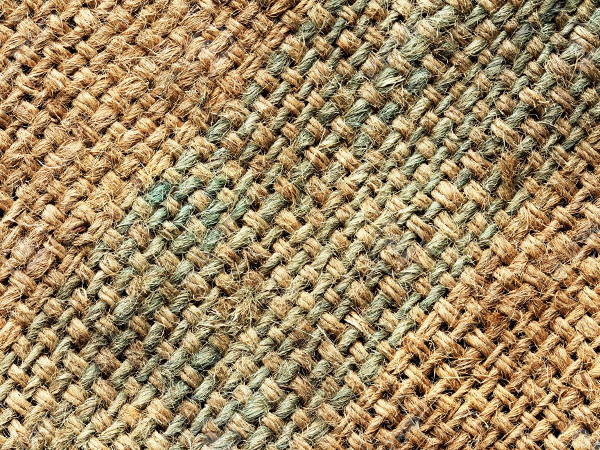
But like everything in life, the best thing in the end is to make a combination of all these fabrics we propose so as not to overexploit any of them and find the right balance between what nature gives us and what human beings are capable of synthesizing thanks to chemical advances (no, not everything in chemistry is bad). That's why, among our fabrics you can find different natures and compositions so that you can decide how you want to contribute to caring for the environment.