



Sweatshirt Fabric: What is it like? What is it used for?
Publicado el 23 January, 2024
Sweatshirt fabric is a textile that can be made of cotton, polyester, or a blend of both, characterized by its softness and brushed interior. The brushing process involves brushing the surface of the fabric to create a layer of fluff on the inside, making it especially comfortable and insulating. This fabric is used for a wide variety of garments and accessories designed to provide warmth and comfort.
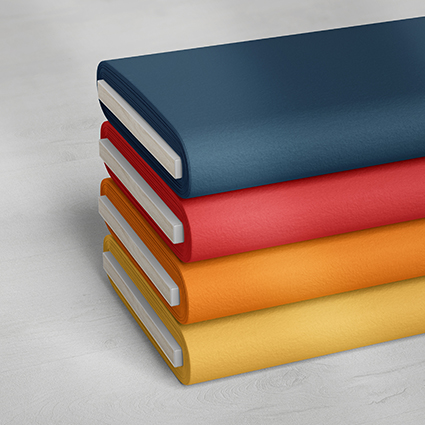
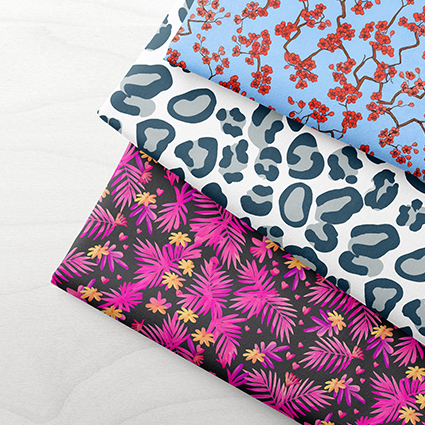
Sweatshirt fabric is easily recognizable by its brushed interior texture, which is soft to the touch and provides a warm and cozy feel. It usually comes in a range of solid colors, although patterns and printed designs can also be found or custom designs can be printed:
Sweatshirt fabric is a very present fabric in the fashion world due to its comfort, softness, and versatility, which make it a popular choice for garments that require both style and comfort. In this article, we will explore exactly what sweatshirt fabric is, its distinctive characteristics, and its numerous uses in the world of fashion and everyday life.
Characteristics of sweatshirt fabric
The most outstanding characteristics of sweatshirt fabric include:
- Softness: The brushed layer on the inside of the fabric makes it exceptionally soft and comfortable to wear directly against the skin. It is ideal for sportswear and everyday wear.
- Insulation: The brushed texture creates a thermal insulation barrier that traps body heat, making it perfect for outerwear and winter clothing.
- Elasticity: Sweatshirt fabric can be more or less elastic and flexible, but it must allow a wide range of motion and be suitable for sportswear and activewear.
- Breathability: Despite its heat retention capacity, sweatshirt fabric is breathable and allows the skin to breathe, making it comfortable for prolonged use.
Common uses
The versatility of sweatshirt fabric makes it ideal for a variety of applications, including:


- Sportswear: Hoodies, sweatpants, jackets, and t-shirts are popular options in the world of sportswear due to the comfort and insulation this fabric offers.
- Casual Fashion: Sweatshirts, t-shirts, and dresses made with sweatshirt fabric are casual fashion options that combine style and comfort.
- Bedding: Sweatshirt fabric is often used in the making of sheets and blankets, providing an extra layer of warmth and comfort on cold nights.
- Children's Clothing: The softness and comfort of sweatshirt fabric make it suitable for making children's clothing, such as jumpsuits or tracksuits.
Manufacturing or special aspects
The manufacturing of sweatshirt fabric involves the brushing process, which is essential for its softness and heat retention capacity. In addition, sweatshirt fabric can have different thicknesses, making it suitable for both cold and temperate climates.
If you are looking for an original sweatshirt fabric, you can print your custom fabric here. You will also find plain colored sweatshirt fabric, with more than 2,000 color references, and hundreds of printed sweatshirt fabrics.
Fabric Sustainability
Sustainability is a growing concern in the textile industry, and sweatshirt fabric is no exception. Increasingly, ways are being sought to produce this fabric more sustainably, using organic cotton or recycled polyester and manufacturing techniques that reduce water and energy consumption. By choosing sustainably manufactured sweatshirts, you can enjoy the comfort and style of sweatshirt fabric knowing that you are doing your part and contributing to a more sustainable and ecological world.