



What is Crepe Fabric? Characteristics, Types, and Uses in Fashion
Publicado el 16 November, 2023
Crepe fabric is characterized by its wrinkled or granular texture. The word "crepe" comes from the Latin "crispus," meaning "wrinkled." This texture is achieved through a special weaving process that alters the tension of the threads during manufacturing. As a result, crepe fabric has a rough surface, a distinctive appearance, and an elegant drape that makes it easily recognizable.
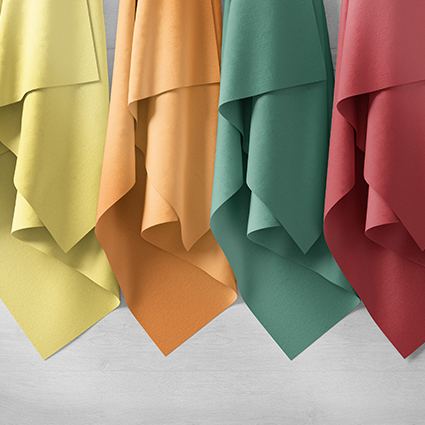
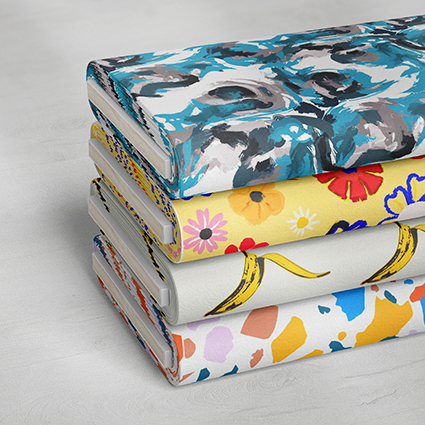
This fabric is commonly found in solid colors, with classic and avant-garde prints, or even printed with custom designs:
If you are passionate about fashion or simply interested in learning more about different types of fabrics, you may have heard of crepe fabric. In this article, we will explore in detail what crepe fabric is, its unique characteristics, its common uses in the fashion industry, how it is manufactured, and its focus on sustainability.
Characteristics of Crepe
The unique characteristics of crepe fabric make it stand out in the fashion world. In addition to its wrinkled surface, crepe fabric is known for its lightness and fluidity. It is a lightweight fabric that adapts very well to the body and drapes smoothly and elegantly. This characteristic makes it a popular choice for garments that require movement and fluidity, such as dresses and skirts.
Another important characteristic of crepe fabric is its ability to retain color and its resistance to wear. This makes it suitable for frequently worn garments, as it maintains its appearance and quality over time. In addition, it is a versatile fabric that adapts to both casual designs and haute couture garments due to its ability to create elegant pleats and details.
Common uses
Crepe fabric is used in a wide range of garments and accessories. It is especially popular in the making of cocktail and evening dresses due to its soft drape and its ability to create elegant pleats and drapes. It is also found in blouses, skirts, pants, and suits, in both casual and formal versions.


In addition to fashion, crepe fabric is used in the making of accessories such as sarongs and scarves due to its lightness and softness to the touch. Its ability to create controlled pleats and wrinkles makes it ideal for decorative details in garments and accessories.
Manufacturing or special aspects
The manufacturing of crepe fabric involves a special weaving process that creates the characteristic wrinkled texture. During this process, the threads are stretched and shrunk in a controlled manner, resulting in the wrinkled surface of the fabric. "Z" or "S" twists are alternated through a process called hard twisting, which gives the yarn an elastic texture.
The crepe fabric can vary in terms of wrinkle degree, from light crepe to heavy crepe, depending on the amount of wrinkles and pleats desired in the fabric. This offers designers a wide range of options to adapt the fabric to their specific design needs.
Fabric Sustainability
The sustainability of crepe fabric depends on production practices and the source of the fibers used. Some manufacturers are adopting more sustainable approaches, using organic or recycled fibers and environmentally friendly manufacturing processes. By choosing crepe fabric garments from manufacturers committed to sustainability, consumers can help reduce the environmental impact of the fashion industry.
If you are looking for an original Crepe fabric, you can print your custom fabric here. You will also find Crepe fabrics in solid colors, with more than 2,000 color references, and hundreds of printed fabrics.
In conclusion, crepe fabric is a unique and versatile textile characterized by its wrinkled texture and fluidity. Its lightness and ability to create pleats and drapes make it a popular choice in fashion, for both formal and casual garments. Additionally, its focus on sustainability is gaining relevance, making it a conscious option for those seeking to combine style and environmental responsibility in their clothing.