Close
Click or press [Enter] to view the results
Trends


Printed Fabrics View articles
Telas en Colores Lisos View articles
Telas para Imprimir View articles
Trends
Printed Fabrics View articles
Telas en Colores Lisos View articles
Telas para Imprimir View articles


Elige colores lisos a juego con tu estampado favorito. ¡Selecciona aquí alguno de los colores principales!
| Material: | 97% Polyester, 3% Elastane |
| Width (cm): | 150 |
| Grammage (g/m²): | 209 |
| Pattern: | Painting, Simple, Watercolor, Artistic, Light |
| Features: | Wrinkled, Elastic, Soft |
| Application / Use: | Pants, Cloths, Skirts, Jeans, Shorts |
| Manufacturing Method: | Single-sided digital textile printing, all products are custom-made to order. |
| Care: |
     |
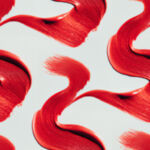
The base fabric is a Bi-elastic Twill called Lisboa, composed mainly of polyester with 3% elastane to achieve an elastic and soft texture. The printed design presented is a low-complexity watercolor-style painting that reflects an artistic feel on the fabric. The main colors of the design are platinum gray, bell pepper red, and refractory brick red. This design could perfectly combine with plain fabrics in shades such as white, black, and gray. Additionally, it is important to mention that the fabric is digitally printed on one side.
Lisboa fabric has a rough texture to the touch due to its component materials. Likewise, its soft and elastic texture provides exceptional comfort to products made with it. Its weight of 209 gr/m2 and width of 150 cm allow for a variety of applications and uses, such as making pants, dresses, shorts, skirts, jeans, kitchen towels, decorative cushions, frames, and pictures. Furthermore, within the home, it can be used in the bedroom, living room, and dining room for making cushions, napkins, and other textile accessories.
Caring for Lisboa fabric is essential to maintain its quality and long durability. It is recommended to machine wash at a maximum temperature of 30ºC and not to use bleaching products. It allows dry cleaning, except with trichloroethylene, and ironing at a cool temperature. Tumble drying should not be used.
The printing technology used in the manufacture of this fabric is polyester sublimation, a process where the ink is sprayed and adheres to the fabric to create high-resolution and durable images. This process allows the colors to penetrate the fabric fibers, which ensures greater resistance to washing and daily wear and tear.