Close
Click or press [Enter] to view the results
Trends


Printed Fabrics View articles
Telas en Colores Lisos View articles
Telas para Imprimir View articles
Trends
Printed Fabrics View articles
Telas en Colores Lisos View articles
Telas para Imprimir View articles


Elige colores lisos a juego con tu estampado favorito. ¡Selecciona aquí alguno de los colores principales!
| Material: | 75% Polyester, 25% Elastane |
| Width (cm): | 150 |
| Grammage (g/m²): | 230 |
| Pattern: | Photography, Petals, Flowers, Artistic Flowers, Light |
| Features: | Elastic, Chlorine Resistant, Very High UV Protection 50+ |
| Application / Use: | Body, Bikinis, Swimsuit, Jersey, Tights / Leggings |
| Sustainability certificates: | GRS |
| Manufacturing Method: | Single-sided digital textile printing, all products are custom-made to order. |
| Care: |
     |
The base fabric is called Recycled Lycra - Seal, weighing 230 gr/m2, and is composed of 75% polyester and 25% elastane. It has a weight of 230 gr/m2 and a width of 150 cm. Its care should be done at a maximum temperature of 40ºC, and dry cleaning or the use of any type of bleach is not allowed. Furthermore, it cannot be tumble dried, and ironing should be done at a cool temperature.
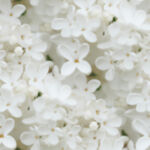
This fabric is characterized by being elastic, chlorine-resistant, and having a very high UV protection factor of 50+. As for its design, it is printed with floral and natural motifs where multi-colors predominate. The printing is done on one side using sublimation technology (polyester).
This type of fabric is suitable for numerous applications and uses, such as lingerie, sportswear, swimwear (bikinis and swimsuits), leotards, and leggings. In combination with other solid colors, it could pair well with black, pink, yellow, or green.
As mentioned earlier, this fabric is manufactured using sublimation technology (polyester). The printing is done on one side by applying heat and pressure to the fabric, which allows the colors to be more vibrant and resistant to the passage of time.
In summary, the Recycled Lycra - Seal of 230 gr/m2 is an elastic and resistant fabric ideal for numerous applications and uses, thanks to its chlorine resistance and very high UV protection of 50+. The fabric is printed with full-color floral and natural motifs using sublimation technology (polyester) and can be combined with a variety of solid colors to achieve different styles. It is important to consider the special care for its maintenance, including avoiding high temperatures and not using bleaches.