Close
Click or press [Enter] to view the results
Trends


Printed Fabrics View articles
Telas en Colores Lisos View articles
Telas para Imprimir View articles
Trends
Printed Fabrics View articles
Telas en Colores Lisos View articles
Telas para Imprimir View articles


Elige colores lisos a juego con tu estampado favorito. ¡Selecciona aquí alguno de los colores principales!
| Material: | 97% Polyester, 3% Elastane |
| Width (cm): | 146 |
| Grammage (g/m²): | 95 |
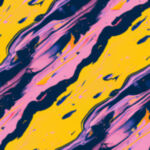
| Pattern: | Brushstrokes, Painting, Modern Art, Dark |
| Features: | Brilliant, Smooth, Thin |
| Application / Use: | Shirts, Blouses, Kimono, Accessories, Monkeys |
| Manufacturing Method: | Single-sided digital textile printing, all products are custom-made to order. |
| Care: |
     |
Raso - Ámsterdam fabric is a satin with a composition of 100% polyester and a weight of 120 gr/m2. It has a width of 150 cm and is available for use throughout the year, both in fashion and in lingerie and accessories. Its printed design features abstract brushstrokes in multicolored colors, creating a modern art effect that mixes the shiny and smooth texture with its thinness. It can be combined with solid colors such as black, white, and grey.
The fabric is printed with the stamped design on one side using digital textile printing. This printing technique allows colors to be printed precisely and in detail on the fabric. In terms of general characteristics, the Raso - Ámsterdam fabric offers a brilliant texture and smooth feel, with a thinness that makes it ideal for light and airy garments.
Among the applications and uses of the fabric are shirts, blouses, skirts, pajamas, pants, and tops, all with an elegant and sophisticated aesthetic. In addition, it can also be used for making kimonos, wedding dresses, and accessories such as scarves.
Regarding fabric care, it is recommended not to bleach it and to wash it by hand or machine at a maximum temperature of 40ºC. It can be dry cleaned, except with trichloroethylene. It can also be ironed at a warm temperature and tumble dried at a reduced temperature.
Finally, the printing technology used in the manufacturing of the Raso - Ámsterdam fabric is sublimation, an ink transfer process that allows the design to be printed sharply and durably. This process involves the use of special inks that turn into gas when heated, penetrating the surface of the fabric and adhering to the fibers.