Close
Click or press [Enter] to view the results
Trends


Printed Fabrics View articles
Telas en Colores Lisos View articles
Telas para Imprimir View articles
Trends
Printed Fabrics View articles
Telas en Colores Lisos View articles
Telas para Imprimir View articles


Elige colores lisos a juego con tu estampado favorito. ¡Selecciona aquí alguno de los colores principales!
| Material: | 82% Polyester, 18% Elastane |
| Width (cm): | 150 |
| Grammage (g/m²): | 270 |
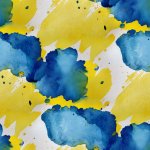
| Pattern: | Watercolor, Stains, Painting, Simple, Artistic |
| Features: | Elastic, Chlorine Resistant, Very High UV Protection 50+ |
| Application / Use: | Body, Swimsuit, Bikinis, Jersey, Tights / Leggings |
| Manufacturing Method: | Single-sided digital textile printing, all products are custom-made to order. |
| Care: |
     |
The base fabric is Polyester Lycra - Nairobi, 270 gr/m2, a fabric with a composition of 82% polyester and 18% elastane, with an elastic texture and a chlorine-resistant finish and very high UV protection 50+. The printed design is abstract and artistic, with a watercolor and stain technique in a simple style, with a predominance of multicolor. This design could combine well with solid colors in pink, green, blue, and purple tones. The fabric is printed with the design on one side using digital textile printing.
Regarding its general characteristics, this fabric is ideal for lingerie, sportswear, swimwear, and leggings. Polyester Lycra - Nairobi is very soft to the touch and adapts perfectly to the body, making it a popular choice for tight and elastic garments. On the other hand, the printed design adds an artistic and modern touch to garments, being perfect for swimwear and sportswear.
As for the care instructions for this fabric, it is important not to bleach it and not to tumble dry it. It is recommended to wash it at a maximum temperature of 40°C, it can be dry cleaned except with trichloroethylene, and it should be ironed at a cold temperature. This way, the lifespan of the fabric and the printed design will be extended.
The printing technology used for this fabric is sublimation, a technique that uses specialized ink that turns into gas when heated and then adheres to the fabric to create the image. This process guarantees very high image quality and great durability. In addition, digital textile printing allows for more complex and detailed designs without limitations on the number of colors.