Close
Click or press [Enter] to view the results
Trends


Printed Fabrics View articles
Telas en Colores Lisos View articles
Telas para Imprimir View articles
Trends
Printed Fabrics View articles
Telas en Colores Lisos View articles
Telas para Imprimir View articles


Elige colores lisos a juego con tu estampado favorito. ¡Selecciona aquí alguno de los colores principales!
| Material: | 82% Polyester, 18% Elastane |
| Width (cm): | 150 |
| Grammage (g/m²): | 270 |
| Pattern: | Standard, Botanist, Photography, Leaves, Dark |
| Features: | Elastic, Chlorine Resistant, Very High UV Protection 50+ |
| Application / Use: | Body, Swimsuit, Bikinis, Jersey, Tights / Leggings |
| Manufacturing Method: | Single-sided digital textile printing, all products are custom-made to order. |
| Care: |
     |
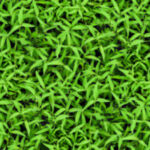
The Polyester Lycra fabric - Nairobi is an elastic and soft-to-the-touch fabric that stands out for its chlorine resistance and very high UV protection 50+. The printed design features standard complexity with a botanical and photographic style, highlighting multicolor plants and leaves. In addition to pairing well with neutral tones such as white, black, or gray, it can also be contrasted with aquatic tones such as turquoise or blue. It is important to note that the fabric is digitally printed with the design on one side only.
The general characteristics of the fabric and the printed design are highly suitable for lingerie, swimwear, sportswear, and fashion garments. Its elastic texture ensures greater comfort and freedom of movement. Furthermore, its chlorine-resistant finish allows its use in swimming pools, and its very high UV protection 50+ is essential for protecting the skin from the suns rays.
Regarding its applications and uses, Polyester Lycra - Nairobi is ideal for womens and mens garments such as bikinis, swimsuits, sports leggings/tights, and bathing suits. It is also used in the making of sports or lingerie bodysuits. Its great versatility and adaptability allow its use for different seasons of the year, making it a timeless fabric.
To keep the Polyester Lycra - Nairobi in the best conditions, it is recommended not to bleach it, wash at a maximum temperature of 40ºC, do not tumble dry, and iron cold. Additionally, the fabric is suitable for dry cleaning, except with trichloroethylene.
Finally, the printing technology used for this fabric is sublimation (polyester). This means that the design is applied to the fabric with a special ink that, with the application of heat and pressure, turns into gas, penetrating the fiber and fusing with it. In this way, the printed design is high quality, resistant, and durable, achieving great fidelity of colors and details in the print.