Close
Click or press [Enter] to view the results
Trends


Printed Fabrics View articles
Telas en Colores Lisos View articles
Telas para Imprimir View articles
Trends
Printed Fabrics View articles
Telas en Colores Lisos View articles
Telas para Imprimir View articles


Elige colores lisos a juego con tu estampado favorito. ¡Selecciona aquí alguno de los colores principales!
 Order sample
| Material: | 82% Polyester, 18% Elastane |
| Width (cm): | 150 |
| Grammage (g/m²): | 270 |
| Pattern: | Hawaii, Tropical, Decorative, Flowers, Artistic Flowers |
| Features: | Elastic, Chlorine Resistant, Very High UV Protection 50+ |
| Application / Use: | Body, Swimsuit, Bikinis, Jersey, Tights / Leggings |
| Manufacturing Method: | Single-sided digital textile printing, all products are custom-made to order. |
| Care: |
     |
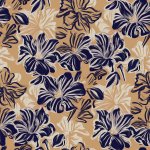
The 270 gr/m2 polyester lycra - Nairobi features a tropical Hawaiian-style print, in multicolored tones that evoke floral nature with artistic flowers and blooms. This decorative design aligns with current trends in swimwear, sportswear, and lingerie. To complement these colors, solid tones like light pink, white, and black can be used.
The fabric is digitally printed with the design on one side. This ensures the quality of the image on one side of the fabric, in addition to providing great durability and resistance to chlorine and UV rays. The polyester lycra - Nairobi stands out for its texture, feel, and elasticity, as well as its ability to protect the skin from sun rays thanks to its UPF 50+ finish.
The uses of the fabric cover a wide variety of garments, from sports leggings and swimsuits to lingerie and bodysuits. In addition, its high elasticity makes it the ideal material for fitted garments and competition leotards. In the summer season, it perfectly adapts to swimsuits, but it can also function as a fashion garment for any time of the year.
It is important to note that this fabric requires specific care for proper maintenance. It is recommended not to bleach or tumble dry, and it should be washed at a maximum temperature of 40ºC. Likewise, it is indicated that it allows dry cleaning except for trichloroethylene and can be ironed at a cool temperature.
For the printing technology of this fabric, the sublimation technique on polyester is used, in which the ink is transferred directly to the fabric through the evaporation of printed dyes using heat and pressure. This ensures that the print is fully integrated into the fabric fibers, providing high image quality.