Close
Click or press [Enter] to view the results
Trends


Printed Fabrics View articles
Telas en Colores Lisos View articles
Telas para Imprimir View articles
Trends
Printed Fabrics View articles
Telas en Colores Lisos View articles
Telas para Imprimir View articles


Elige colores lisos a juego con tu estampado favorito. ¡Selecciona aquí alguno de los colores principales!
| Material: | 93% Polyester, 5% Viscose, 2% Elastane |
| Width (cm): | 150 |
| Grammage (g/m²): | 380 |
| Pattern: | Simple, Photography, Popcorn, Light |
| Features: | Soft |
| Application / Use: | Altar Cloths, Coats / Trench, Coaster, Jackets / Vests, Blazers |
| Manufacturing Method: | Single-sided digital textile printing, all products are custom-made to order. |
| Care: |
     |
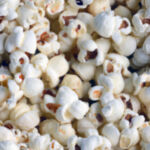
Glasgow woolen fabric features a simple yet complex photographic style print design that recreates the gastronomy of popcorn in vibrant multi-colors. This attractive and fun design is a perfect choice for making womens or mens outerwear, jackets, blazers, or coats, as well as useful household items like coasters or kitchen towels.
The synergy between the design and the base fabric offers a soft and comfortable texture to the touch, adding a series of features suitable for any situation. The fabric is digitally printed on one side, which allows for the reproduction of images with exceptional definition and quality, without compromising the comfort or durability of the fabric.
Glasgow woolen fabric has a composition of 93% polyester, 5% viscose, and 2% elastane, making it perfect for use in autumn and winter seasons. The applications or uses of the fabric are broad, as its weight of 380 gr/m2 ensures the necessary coverage for making garments with body and voluminous shapes. Additionally, its width of 150 cm allows it to be used for making both masculine and feminine garments and accessories, as well as household items.
It is important to consider the care required for the fabric: it only allows washing at a maximum temperature of 40 °C, it should not be bleached or dry-cleaned, it should also be ironed at a warm temperature, and the use of tumble dryers should be avoided.
The printing technology used for the manufacturing of Glasgow woolen fabric is sublimation, which consists of transferring an image to a substrate or fabric using controlled heat and pressure, resulting in a print with unique sharpness and quality. This printing technique is widely used in the textile industry and is characterized by being highly resistant to use and the passage of time.