Close
Click or press [Enter] to view the results
Trends


Printed Fabrics View articles
Telas en Colores Lisos View articles
Telas para Imprimir View articles
Trends
Printed Fabrics View articles
Telas en Colores Lisos View articles
Telas para Imprimir View articles

Elige colores lisos a juego con tu estampado favorito. ¡Selecciona aquí alguno de los colores principales!
| Material: | 94% Polyester, 6% Elastane |
| Width (cm): | 147 |
| Grammage (g/m²): | 80 |
| Pattern: | Painting, Standard, Drawn, Botanist, Artistic Flowers |
| Features: | Transparent, Thin, Elastic |
| Application / Use: | Skirts, Dresses, Dresses, Bras / B ralettes, Panties |
| Manufacturing Method: | Single-sided digital textile printing, all products are custom-made to order. |
| Care: |
     |
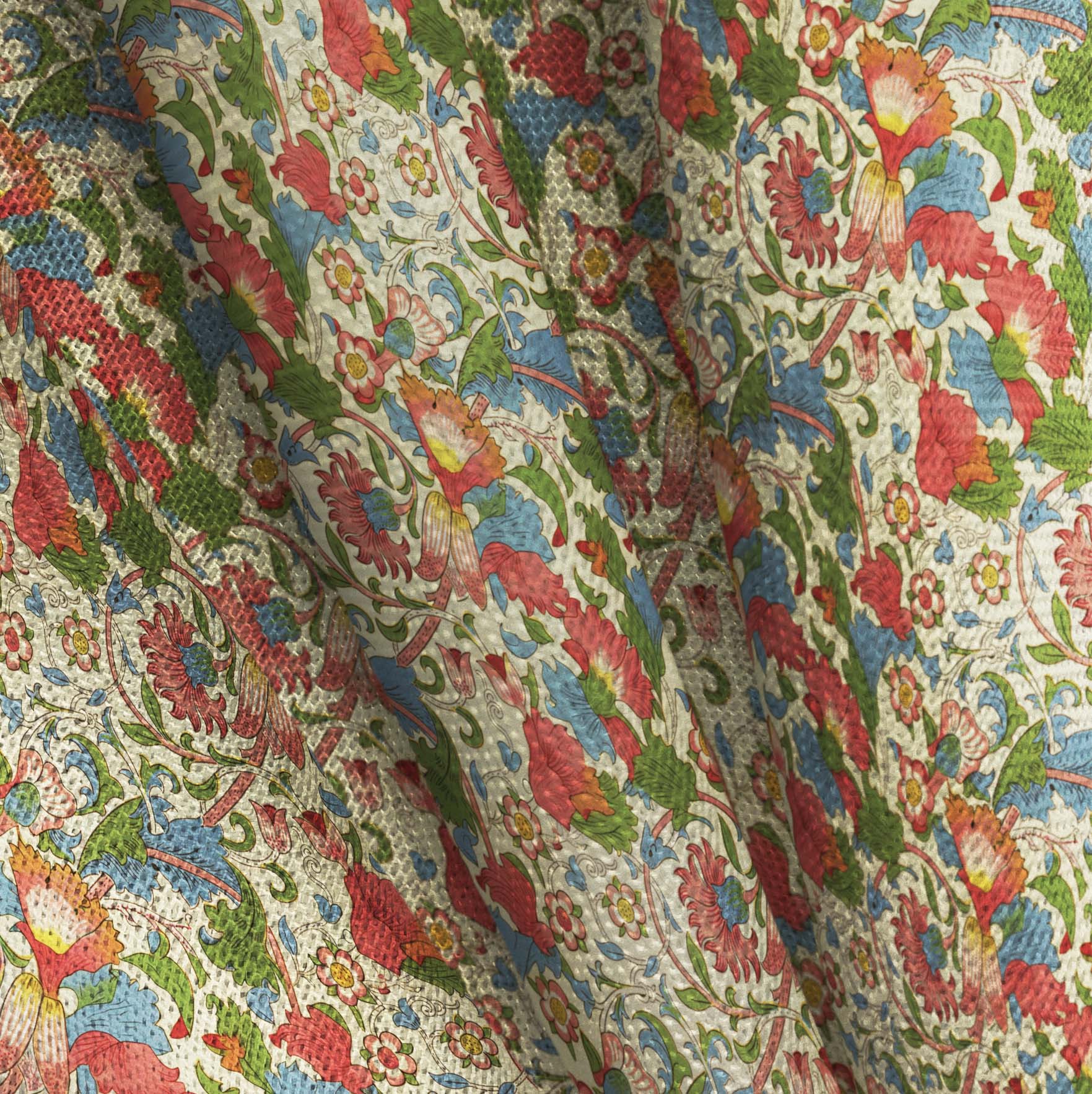
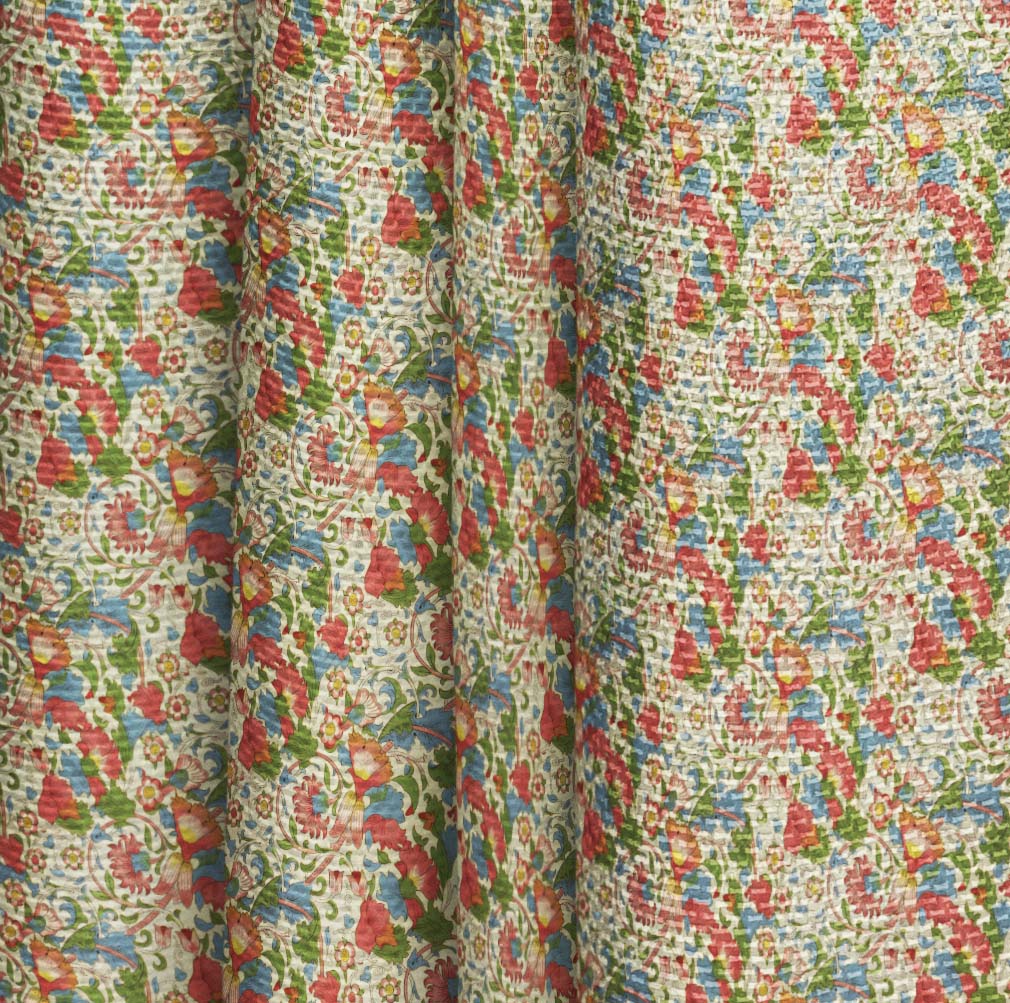
The Elastic Tulle fabric - Oslo is composed of 94% polyester and 6% elastane, giving it a visually transparent yet elastic texture, making it ideal for lingerie, fashion, accessories, and even childrens dresses. Its printed design has standard complexity and is inspired by nature and art, featuring a botanical drawing with artistic Indian-style flowers, and is composed of multicolored hues that allow for a wide variety of combinations with other plain colors.
The fabric is digitally printed with the design on one side only, meaning it is not printed on both sides, but only on the front. Additionally, the fabric has a weight of 80 gr/m2 and a width of 147 cm, making it easy to handle and perfectly adaptable to multiple applications.
Among the attributes of the base fabric are its elasticity, lightness, and transparency, which makes it perfect for lingerie items such as bras, briefs, and bodysuits, as well as for flowy dresses or skirts and accessories like stockings.
It is important to note that this fabric must be treated with care, as it should not be bleached or ironed, nor can it be dry-cleaned, and it should be washed at a maximum temperature of 30°C. If these maintenance instructions are followed, the fabric will not lose its elasticity or shape.
The printing technology used on this fabric is sublimation with polyester, which consists of transferring ink to the fabric through the application of heat and pressure. This printing method is more sustainable than other methods, as it reduces the use of water and chemicals compared to traditional textile printing methods.