Close
Trends


Printed Fabrics View articles
Telas en Colores Lisos View articles
Telas para Imprimir View articles
Trends
Printed Fabrics View articles
Telas en Colores Lisos View articles
Telas para Imprimir View articles


Elige colores lisos a juego con tu estampado favorito. ¡Selecciona aquí alguno de los colores principales!
| Material: | 85% Polyester, 12% Polyamide, 3% Elastane |
| Width (cm): | 150 |
| Grammage (g/m²): | 280 |
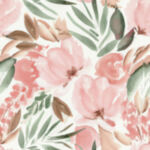
| Pattern: | Watercolor, Simple, Drawn, Botanist, Pictorial florals |
| Features: | Soft |
| Application / Use: | Chairs, Armchairs, Pants, Overshirts, Cushions |
| Manufacturing Method: | Single-sided digital textile printing, all products are custom-made to order. |
| Care: |
      |
| Notices: |
IMPORTANTE: plazo de recepción de tela base previsto para el 15 de Febrero, todos los pedidos previos de Enero y Febrero se expedirán a partir de esa fecha. |
The Velvety Corduroy fabric - Dublin has a composition of 85% POLYESTER, 12% POLYAMIDE, and 3% ELASTANE, with a weight of 280 gr/m2 and a width of 150 cm. Its printed design is abstract, with a watercolor effect and simple complexity, highlighting drawn and botanical styles, as well as pictorial and artistic floral elements. Its main color is multicolor, perfectly combining with solid colors such as black or green.
This fabric is printed with the stamped design on one side using digital textile printing, which allows for a high-quality and durable finish. In terms of general characteristics, Velvety Corduroy - Dublin stands out for its softness and visual sheen, making it an ideal fabric for decoration, upholstery, and fashion, suitable for making pants, jackets, overshirts, bags, and accessories.
The applications and uses of this fabric are wide, allowing its use in the home for decorating cushions, baskets, and other elements in spaces such as the kitchen, bedroom, or living room. In fashion, it can be used to make blazers, jackets, or vests, as well as handbags and backpacks.
It is important to consider the care instructions for Velvety Corduroy - Dublin, avoiding bleaching and washing it at a maximum temperature of 30ºC. Additionally, the garment does not allow dry cleaning with trichloroethylene, but it can be dry cleaned with other alternatives. Ironing should be done at a cool temperature, and it is not recommended to tumble dry the fabric.
The printing technology used to manufacture this type of fabric is sublimation (polyester), which allows for high color quality with a wide, detailed, and sharp range, maintaining resistance to washing and exposure to UVA rays.