Close
Click or press [Enter] to view the results
Trends


Printed Fabrics View articles
Telas en Colores Lisos View articles
Telas para Imprimir View articles
Trends
Printed Fabrics View articles
Telas en Colores Lisos View articles
Telas para Imprimir View articles


Elige colores lisos a juego con tu estampado favorito. ¡Selecciona aquí alguno de los colores principales!
| Material: | 81% Polyester, 15% Acrylic, 4% Elastane |
| Width (cm): | 150 |
| Grammage (g/m²): | 239 |
| Pattern: | Simple, Decorative, Drawn, Artistic, Abstract |
| Features: | Soft, Elastic |
| Application / Use: | Pajamas, Jerseys, Tops, Knitwear, Dresses |
| Manufacturing Method: | Single-sided digital textile printing, all products are custom-made to order. |
| Care: |
     |
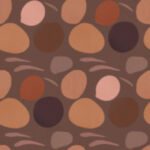
The fabric in question is the Punto Jersey de Tacto Algodón - Atenas, a knit fabric with a composition of 81% polyester, 15% acrylic, and 4% elastane, with a weight of 239 gr/m2, a width of 150 cm, and diverse applications in fashion, home, and accessories. Its printed design features a simple complexity, with a decorative, drawn, and artistic style, with abstract shapes and circles and polka dots in sepia brown, cherry red, and army grey colors. This design would allow combinations with plain colors in beige, white, and black tones to enhance the print.
The fabric is printed with the design on one side only using digital textile printing, which means that the image is located only on one of its sides. As for its general characteristics, the fabric stands out for its soft and elastic texture, which provides comfort and flexibility to the garment. The design has a unique and striking style that adds personality and character to the garment.
In addition to the aforementioned applications and uses, this type of fabric is ideal for making knitwear, such as sweaters, tops, dresses, and cardigans, due to its soft and elastic texture. It is also perfect for manufacturing throws for living rooms and bedrooms. The care required for this type of fabric is simple and consists of not bleaching, a maximum washing experience of 30ºC, dry cleaning allowed, cold ironing, and avoiding the dryer.
Finally, the printing technology used to create this fabric is sublimation, which is mainly used for polyester fabrics. This method consists of applying heat and pressure to the fabric and the design printed on transfer paper, which causes the ink to transform into vapor and permeate the fabric, achieving a permanent and high-quality image.