Close
Click or press [Enter] to view the results
Trends


Printed Fabrics View articles
Telas en Colores Lisos View articles
Telas para Imprimir View articles
Trends
Printed Fabrics View articles
Telas en Colores Lisos View articles
Telas para Imprimir View articles


Elige colores lisos a juego con tu estampado favorito. ¡Selecciona aquí alguno de los colores principales!
| Material: | 82% Polyester, 18% Elastane |
| Width (cm): | 150 |
| Grammage (g/m²): | 270 |
| Pattern: | Standard, Botanist, Drawn, Home Decoration, Artistic |
| Features: | Elastic, Chlorine Resistant, Very High UV Protection 50+ |
| Application / Use: | Body, Swimsuit, Bikinis, Jersey, Tights / Leggings |
| Manufacturing Method: | Single-sided digital textile printing, all products are custom-made to order. |
| Care: |
     |
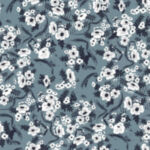
The Lycra Polyester fabric - Nairobi is an elastic fabric with a weight of 270 gr/m2 and is characterized by its chlorine resistance and very high UV protection 50+. Its printed design stands out for its standard complexity with a clear botanical and artistic inspiration, featuring artistic flowers, pictorial florals, and flowers in a striking grape purple color that represents 48.36% of the total image, cotton white at 22.31%, and midnight black at 18.75%. To combine the fabric with other plain colors, it is recommended to use light and dark shades similar to those in the design.
The fabric is printed with the design on one side using digital textile printing, which provides a textured, soft, and elastic finish. Its attributes include texture, soft touch, elasticity, and a resistant and durable finish. On the other hand, its design is characterized by its floral nature, its artistic and decorative drawing that can be used in numerous fashion applications and uses. These uses include lingerie, bodysuits, sportswear such as swimsuits, bikinis, leotards, and leggings.
The fabric should be cared for at a maximum temperature of 40°C, bleaching is not advisable, and tumble drying is not permitted. It can be ironed at a cool temperature, and dry cleaning is allowed except with trichloroethylene to preserve the elasticity and finish of the product.
The printing technology used in the manufacturing of this fabric is known as sublimation, where a printed sublimation paper is applied to the fabric using a heat press machine. The printed ink transforms into gas and fuses with the fiber, creating a resistant, textured, and high-quality final result.