Close
Click or press [Enter] to view the results
Trends


Printed Fabrics View articles
Telas en Colores Lisos View articles
Telas para Imprimir View articles
Trends
Printed Fabrics View articles
Telas en Colores Lisos View articles
Telas para Imprimir View articles


Elige colores lisos a juego con tu estampado favorito. ¡Selecciona aquí alguno de los colores principales!
| Material: | 97% Polyester, 3% Elastane |
| Width (cm): | 146 |
| Grammage (g/m²): | 95 |
| Pattern: | Pictorial, Standard, Watercolor, Drawn, Artistic |
| Features: | Brilliant, Smooth, Thin |
| Application / Use: | Shirts, Blouses, Kimono, Accessories, Monkeys |
| Manufacturing Method: | Single-sided digital textile printing, all products are custom-made to order. |
| Care: |
     |
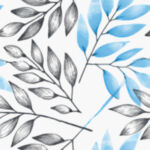
The Raso - Amsterdam fabric is a type of satin/raso with a composition of 100% polyester and a weight of 120 gr/m2. With a width of 150 cm, this fabric presents a bright visual texture and a smooth and thin feel. Its printed design is characterized by being pictorial, of standard complexity and in a watercolor style, drawn and artistic. The design also includes biColor elements and makes reference to nature with the representation of plants and leaves. The main colors of the design are 65.4% and 10.94%.
This fabric is printed with the stamped design on one side using digital textile printing. It is important to note that the fabric is printed only on one side and not on both.
In terms of general characteristics, Raso - Amsterdam stands out for its visual brightness and its smooth and thin feel. The combination of the satin fabric with the watercolor and artistic print creates an elegant and sophisticated appearance. The main colors of the design, 65.4% and 10.94%, provide vibrant and subtle contrasts to the whole.
Regarding the applications and uses of the fabric, Raso - Amsterdam is very versatile. It can be used in the making of shirts, blouses, kimonos, accessories, skirts, pajamas, dresses, pants, tops, among others. Its texture and visual brightness make it an excellent choice for fashion garments and lingerie, including options for brides. It can also be used for the creation of scarves and other accessories.
It is important to take into account some care instructions for this fabric. It is recommended to wash at a maximum of 40ºC, avoid bleaching, iron at a warm temperature, it allows dry cleaning (except trichloroethylene) and can be tumble dried at a reduced temperature.
The printing technology used to manufacture this fabric is sublimation (polyester). This printing technique allows excellent reproduction of the colors and details of the design, guaranteeing a high-quality and durable result on the printed fabric. Sublimation involves the permanent transfer of the stamped design to the fabric through heat and pressure, creating a solid bond between the ink and the polyester fibers.