Close
Trends


Printed Fabrics View articles
Telas en Colores Lisos View articles
Telas para Imprimir View articles
Trends
Printed Fabrics View articles
Telas en Colores Lisos View articles
Telas para Imprimir View articles


Elige colores lisos a juego con tu estampado favorito. ¡Selecciona aquí alguno de los colores principales!
| Material: | 97% Polyester, 3% Elastane |
| Width (cm): | 150 |
| Grammage (g/m²): | 209 |
| Pattern: | Standard, Artistic, Botanist, Colorful, Brilliant |
| Features: | Wrinkled, Elastic, Soft |
| Application / Use: | Pants, Cloths, Skirts, Jeans, Shorts |
| Manufacturing Method: | Single-sided digital textile printing, all products are custom-made to order. |
| Care: |
     |
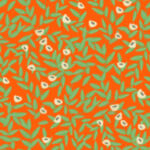
The Bi-elastic Twill Fabric - Lisbon is composed of 97% polyester and 3% elastane. With a weight of 209 gr/m2 and a width of 150 cm, this fabric is characterized by its rough yet elastic texture and its softness at the same time. Its printed design features standard complexity with an artistic, botanical, colorful, bright, and illustrative style. The natural characteristics of the design include pictorial floral elements and artistic flowers, as well as leaves and bright, intense colors.
The Bi-elastic Twill Fabric - Lisbon has a design that primarily combines basketball orange (51.17%), seaweed green (19.42%), and dollar bill green (19.04%). In addition to these main colors, you can combine it with other plain colors that harmonize with these tones, such as neutral, blue, or yellow shades.
It is important to note that this fabric is printed with the stamped design on one side only using digital textile printing. This means that the design is present only on one side of the fabric, not on both.
Regarding general characteristics, the Bi-elastic Twill Fabric - Lisbon is bi-elastic, which gives it greater flexibility and adaptability to the body. On the other hand, the printed design adds an artistic and colorful touch to the fabric.
As for the applications and uses of this fabric, it can be used in fashion garments such as pants, skirts, jeans, shorts, and Bermuda shorts for both men and women. It is also ideal for making accessories and dresses. In terms of decoration, it can be used to create frames, pictures, and cushions for both interiors and exteriors. Additionally, it is perfect for creating kitchen towels and napkins.
Regarding care, it is recommended to wash this fabric at a maximum temperature of 30ºC, avoiding the use of bleaches. Dry cleaning can be done, except with trichloroethylene. For ironing, a cool temperature should be used, and a dryer should not be used.
Finally, the printing technology used in the manufacture of this fabric is sublimation, which allows for high print quality and long-term design durability.