Close
Click or press [Enter] to view the results
Trends


Printed Fabrics View articles
Telas en Colores Lisos View articles
Telas para Imprimir View articles
Trends
Printed Fabrics View articles
Telas en Colores Lisos View articles
Telas para Imprimir View articles


Elige colores lisos a juego con tu estampado favorito. ¡Selecciona aquí alguno de los colores principales!
| Material: | 85% Polyester, 12% Polyamide, 3% Elastane |
| Width (cm): | 150 |
| Grammage (g/m²): | 280 |
| Pattern: | Pictorial, Standard, Colorful, Artistic, Decorative |
| Features: | Soft |
| Application / Use: | Chairs, Armchairs, Pants, Overshirts, Cushions |
| Manufacturing Method: | Single-sided digital textile printing, all products are custom-made to order. |
| Care: |
      |
| Notices: |
IMPORTANTE: plazo de recepción de tela base previsto para el 15 de Febrero, todos los pedidos previos de Enero y Febrero se expedirán a partir de esa fecha. |
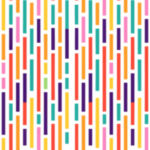
The base fabric is a Velvety Corduroy called Dublin, with a composition of 85% polyester, 12% polyamide, and 3% elastane. Its weight of 280 gr/m2 and width of 150 cm make it ideal for upholstering furniture and making fashion garments. The printed design is pictorial, colorful, and artistic, with stripe and line shapes in cotton white, cinnamon orange, and indigo purple colors. This design can perfectly combine with solid colors such as beige, green, or navy blue. The fabric is digitally printed with the design on one side only.
The general characteristics of the fabric include a soft feel and a shiny appearance, making it perfect for decoration and fashion projects. On the other hand, the printed design provides standard complexity and a unique decorative style. In terms of applications and uses, this fabric can be used for upholstering furniture, making garments such as jackets or bags, and for creating home accessories such as cushions or baskets.
It is important to note that this fabric requires special care to maintain its quality and durability. It is recommended not to bleach, wash at a maximum temperature of 30ºC, not to dry clean, use dry cleaning except trichloroethylene, iron at a cool temperature, and not to tumble dry.
Finally, the printing technology used on this fabric is sublimation, which allows for high-quality printing on polyester fabrics. This technique is characterized by permanently transferring the ink to the fabric through heat and pressure, guaranteeing a durable and wash-resistant print.