Close
Click or press [Enter] to view the results
Trends


Printed Fabrics View articles
Telas en Colores Lisos View articles
Telas para Imprimir View articles
Trends
Printed Fabrics View articles
Telas en Colores Lisos View articles
Telas para Imprimir View articles


Elige colores lisos a juego con tu estampado favorito. ¡Selecciona aquí alguno de los colores principales!
| Material: | 97% Polyester, 3% Elastane |
| Width (cm): | 146 |
| Grammage (g/m²): | 95 |
| Pattern: | Distorted, Pictorial, Standard, Bicolor, Modern Art |
| Features: | Brilliant, Smooth, Thin |
| Application / Use: | Shirts, Blouses, Kimono, Accessories, Monkeys |
| Manufacturing Method: | Single-sided digital textile printing, all products are custom-made to order. |
| Care: |
     |
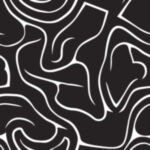
The base fabric, Raso Ámsterdam, is a Satin / Rayon fabric made of 100% polyester with a weight of 120 gr/m2 and a width of 150 cm. Its printed design features an abstract, artistic and decorative style, with a combination of black and white colors to create a distorted and pictorial effect. This design also incorporates a modern and monochrome touch.
The fabric is printed with the stamped design on one side by digital textile printing, which guarantees high quality and durability. The characteristics of the fabric include a bright and smooth texture, perfect for fashion garments such as shirts, blouses, skirts and trousers. Additionally, the two-color and artistic design of the print allows it to be easily combined with other plain colors such as red, navy blue or gold.
The applications and uses of the Raso Ámsterdam fabric are varied, from the making of fashion clothing for women and men, such as tops, jumpsuits or kimonos, to the creation of accessories such as scarves. Its timeless season makes it ideal for use throughout the year, adapting to different styles and tastes.
For the care of the fabric, it is important to note that it should be washed at a maximum temperature of 40ºC, not bleached and ironed at a warm temperature. In addition, it can be tumble dried at reduced temperature and dry cleaned except with trichloroethylene.
Finally, the printing technology used on this fabric is sublimation, which guarantees vibrant colors and high quality printing. This printing process consists of transferring water-based inks onto the fabric using heat and pressure, which provides great definition in the stamped design.