Close
Click or press [Enter] to view the results
Trends


Printed Fabrics View articles
Telas en Colores Lisos View articles
Telas para Imprimir View articles
Trends
Printed Fabrics View articles
Telas en Colores Lisos View articles
Telas para Imprimir View articles


Elige colores lisos a juego con tu estampado favorito. ¡Selecciona aquí alguno de los colores principales!
| Material: | 82% Polyester, 18% Elastane |
| Width (cm): | 150 |
| Grammage (g/m²): | 270 |
| Pattern: | Paisley, Standard, Artistic, Colorful, Decorative |
| Features: | Elastic, Chlorine Resistant, Very High UV Protection 50+ |
| Application / Use: | Body, Swimsuit, Bikinis, Jersey, Tights / Leggings |
| Manufacturing Method: | Single-sided digital textile printing, all products are custom-made to order. |
| Care: |
     |
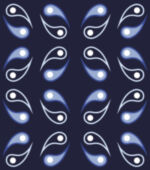
The Polyester Lycra Fabric - Nairobi is an elastic and resistant fabric, ideal for sportswear and swimwear. Its printed design is abstract and colorful, with paisley shapes and drops, adding an artistic and decorative touch to garments. The main colors are Night Black, Cardinal Purple, and Marine Purple, which can perfectly combine with solid colors such as white, grey, or pink.
The fabric is printed with the patterned design on one side using digital textile printing, which ensures high quality in the details and colors of the print. The general characteristics of the fabric include being elastic, chlorine-resistant, and having very high UV protection 50+. The printed design, for its part, is of standard complexity and has a decorative and artistic finish.
Among the applications and uses of the fabric are the manufacture of lingerie, bikinis, leggings, leotards, and athletic swimsuits, as well as fashion garments. Its composition of polyester and elastane makes it perfect for snug and comfortable garments, ideal for practicing water sports or physical activities.
It is important to note that the Polyester Lycra Fabric - Nairobi should be washed at a maximum temperature of 40ºC, avoiding the use of bleach and tumble dryer, and ironing at a cool temperature. In addition, it is recommended not to dry clean with trichloroethylene to maintain the quality of the fabric and print over time.
The printing technology used in this fabric is sublimation (polyester), a process in which the ink turns into gas upon contact with the fabric, penetrating its fibers and creating a durable print, resistant to washing and sun exposure. This method ensures a faithful reproduction of the colors and details of the design, providing a high-quality finish.