Close
Click or press [Enter] to view the results
Trends


Printed Fabrics View articles
Telas en Colores Lisos View articles
Telas para Imprimir View articles
Trends
Printed Fabrics View articles
Telas en Colores Lisos View articles
Telas para Imprimir View articles


Elige colores lisos a juego con tu estampado favorito. ¡Selecciona aquí alguno de los colores principales!
| Material: | 94% Polyester, 6% Elastane |
| Width (cm): | 150 |
| Grammage (g/m²): | 180 |
| Pattern: | Watercolor, Stains, Leopard, Painting, Standard |
| Features: | Elastic, Granules |
| Application / Use: | Dresses, Monkeys, T-shirts, Tops, Skirts |
| Manufacturing Method: | Single-sided digital textile printing, all products are custom-made to order. |
| Care: |
     |
| Notices: |
En colores lisos y/o estampados este tejido puede blanquear si se abre en exceso, es ampliamente adquirido por nuestros clientes en productos textiles que no exigen grandes elongaciones. Recomendamos adquirir una muestra para validar que es la textura y acabado que busca. |
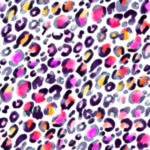
The Riga Stretch Knit Crepe fabric is characterized by its elastic and grainy texture, ideal for fashion garments such as dresses, jumpsuits, t-shirts, tops, skirts, pants, cardigans, and knitwear. Adorned with an abstract watercolor print design featuring stains and artistic elements, this colorful and decorative print combines white, black, and purple as its main colors. For pairing, you can use solid colors such as pastel pink, sky blue, and soft yellow. The fabric is printed with the design on one side using digital textile printing.
The Riga Stretch Knit Crepe fabric possesses attributes of elasticity and a soft feel, while the printed design stands out for its complexity and artistic style. The applications of this fabric are varied and adapt to different garments, offering comfort and modernity to the wearer. Furthermore, it is timeless and can be used in any season of the year.
To properly care for this fabric, it is recommended to wash it at a maximum temperature of 40ºC, do not bleach, iron at a cool temperature, and it can be tumble dried at a reduced temperature. It can be dry cleaned, except with trichloroethylene.
The printing technology used in the manufacture of this fabric is sublimation (polyester), which allows for high-quality and durable reproduction of printed designs. This process involves transferring ink through heat and pressure, fixing the pigments into the polyester fibers and ensuring vibrant colors that are resistant to the passage of time.