Close
Click or press [Enter] to view the results
Trends


Printed Fabrics View articles
Telas en Colores Lisos View articles
Telas para Imprimir View articles
Trends
Printed Fabrics View articles
Telas en Colores Lisos View articles
Telas para Imprimir View articles


Elige colores lisos a juego con tu estampado favorito. ¡Selecciona aquí alguno de los colores principales!
| Material: | 85% Polyester, 12% Polyamide, 3% Elastane |
| Width (cm): | 150 |
| Grammage (g/m²): | 280 |
| Pattern: | Watercolor, Stains, Leopard, Painting, Standard |
| Features: | Soft |
| Application / Use: | Chairs, Armchairs, Pants, Overshirts, Cushions |
| Manufacturing Method: | Single-sided digital textile printing, all products are custom-made to order. |
| Care: |
      |
| Notices: |
IMPORTANTE: plazo de recepción de tela base previsto para el 15 de Febrero, todos los pedidos previos de Enero y Febrero se expedirán a partir de esa fecha. |
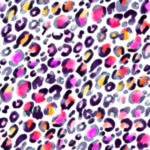
The base fabric for this description is Velvety Corduroy - Dublin, a corduroy fabric composed of 85% polyester, 12% polyamide, and 3% elastane. Its softness and sheen are complemented by the printed design it features, which is characterized by being abstract, with watercolor-like stains and leopard motifs. The main colors are Cotton White, Night Black, and RebeccaPurple, which can perfectly combine with solid tones such as gray, dark green, and dusty pink. The fabric is printed with the patterned design on one side using digital textile printing.
The general characteristics of this fabric include its soft touch and shiny appearance, which are complemented by the standard complexity and artistic and decorative style of the printed design. Regarding applications and uses, Velvety Corduroy - Dublin is ideal for furniture decoration, such as armchairs and sofas, as well as for making fashion garments like pants, jackets, and accessories such as handbags and backpacks.
As for the care this fabric requires, it is recommended to wash it at a maximum temperature of 30ºC, do not bleach, do not dry clean, iron at a cool temperature, and avoid tumble drying. Dry cleaning is allowed except for trichloroethylene.
Velvety Corduroy - Dublin is manufactured using sublimation printing technology, which ensures a faithful and durable reproduction of the printed design on the fabric. This printing process consists of transferring heat-based inks that turn into gas, penetrating the fabric fibers and creating a high-quality, resistant print.