Close
Click or press [Enter] to view the results
Trends


Printed Fabrics View articles
Telas en Colores Lisos View articles
Telas para Imprimir View articles
Trends
Printed Fabrics View articles
Telas en Colores Lisos View articles
Telas para Imprimir View articles


Elige colores lisos a juego con tu estampado favorito. ¡Selecciona aquí alguno de los colores principales!
| Material: | 75% Polyester, 25% Elastane |
| Width (cm): | 150 |
| Grammage (g/m²): | 230 |
| Pattern: | Standard, Artistic, Bicolor, Colorful, Modern Art |
| Features: | Elastic, Chlorine Resistant, Very High UV Protection 50+ |
| Application / Use: | Body, Bikinis, Swimsuit, Jersey, Tights / Leggings |
| Sustainability certificates: | GRS |
| Manufacturing Method: | Single-sided digital textile printing, all products are custom-made to order. |
| Care: |
     |
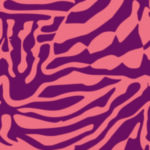
The Recycled Lycra Fabric - Seal, weighing 230 gr/m2, features a standard complexity printed design with an artistic, bicolor, colorful, modern art, and decorative style, showcasing abstract shapes in eggplant purple, desert sand pink, and dark magenta hues. This design symbolizes creativity and modernity, with a blend of vibrant colors and abstract forms that make the fabric ideal for sportswear or swimwear.
The fabric is printed with the design on one side using digital textile printing, ensuring high quality and durability of the print. In terms of general characteristics, the recycled Lycra fabric is elastic, chlorine-resistant, and boasts a very high UV protection factor of 50+. The printed design adds originality and style to garments with a visually appealing and modern finish.
The applications for this fabric are diverse, ranging from lingerie and sportswear to bikinis, swimsuits, tights, or leggings. Its versatility makes it ideal for any type of garment that requires elasticity and resistance, in addition to an eye-catching and unique design.
For the care of this fabric, it is important to note that it should not be bleached and should be washed at a maximum temperature of 40ºC. Furthermore, it is recommended to iron it at a cool temperature and not to tumble dry, as this could damage the elastic properties of the fabric.
The printing technology used on this fabric is sublimation, a process where the ink turns into gas upon contact with the fabric, penetrating the fibers and creating a durable and high-quality print. This method guarantees a faithful reproduction of colors and designs, with excellent definition and sharpness in the final finish of the fabric.