Close
Click or press [Enter] to view the results
Trends


Printed Fabrics View articles
Telas en Colores Lisos View articles
Telas para Imprimir View articles
Trends
Printed Fabrics View articles
Telas en Colores Lisos View articles
Telas para Imprimir View articles

Elige colores lisos a juego con tu estampado favorito. ¡Selecciona aquí alguno de los colores principales!
| Material: | 75% Polyester, 25% Elastane |
| Width (cm): | 150 |
| Grammage (g/m²): | 230 |
| Pattern: | Watercolor, Drawing, Painting, Watercolor, Flowers |
| Features: | Elastic, Chlorine Resistant, Very High UV Protection 50+ |
| Application / Use: | Body, Bikinis, Swimsuit, Jersey, Tights / Leggings |
| Sustainability certificates: | GRS |
| Manufacturing Method: | Single-sided digital textile printing, all products are custom-made to order. |
| Care: |
     |
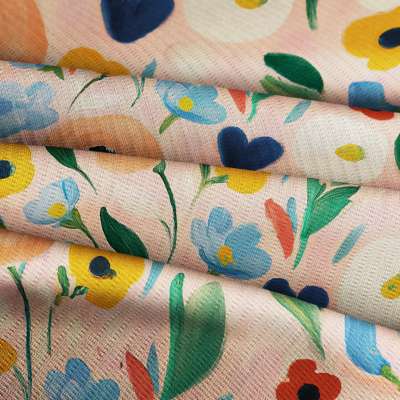
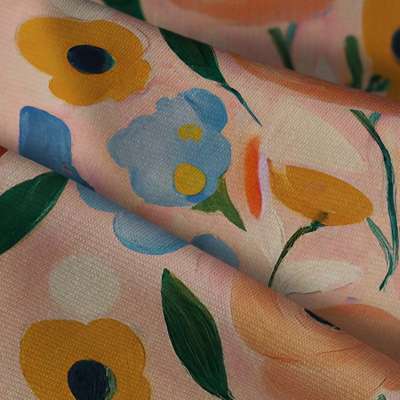
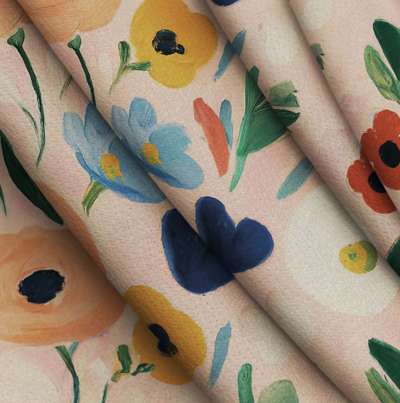
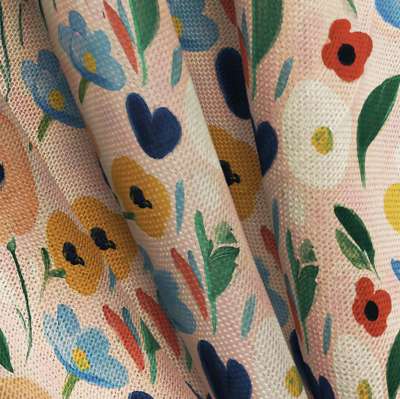
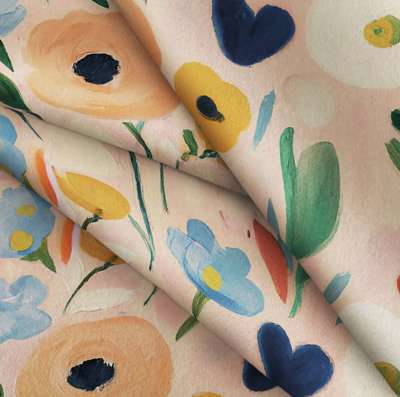
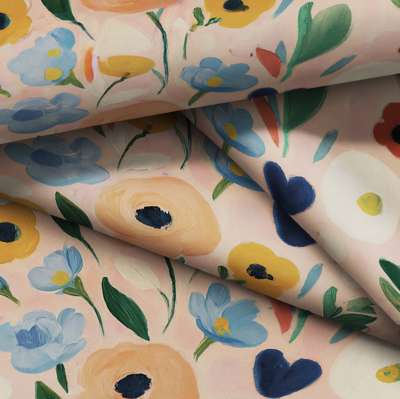
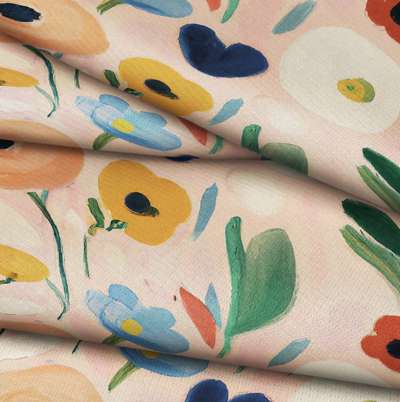
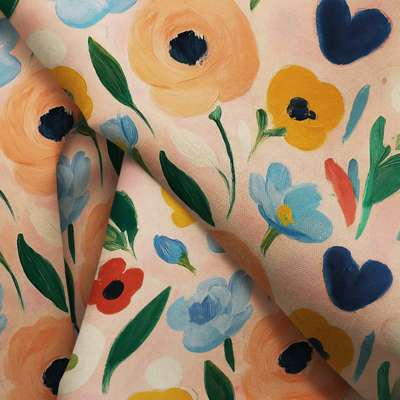
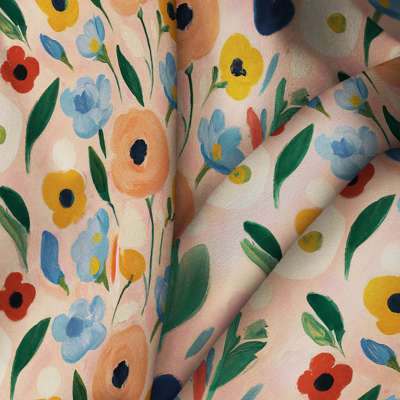
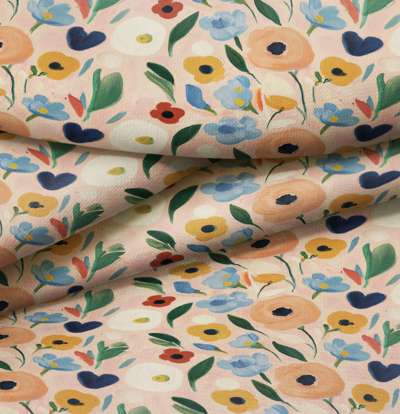
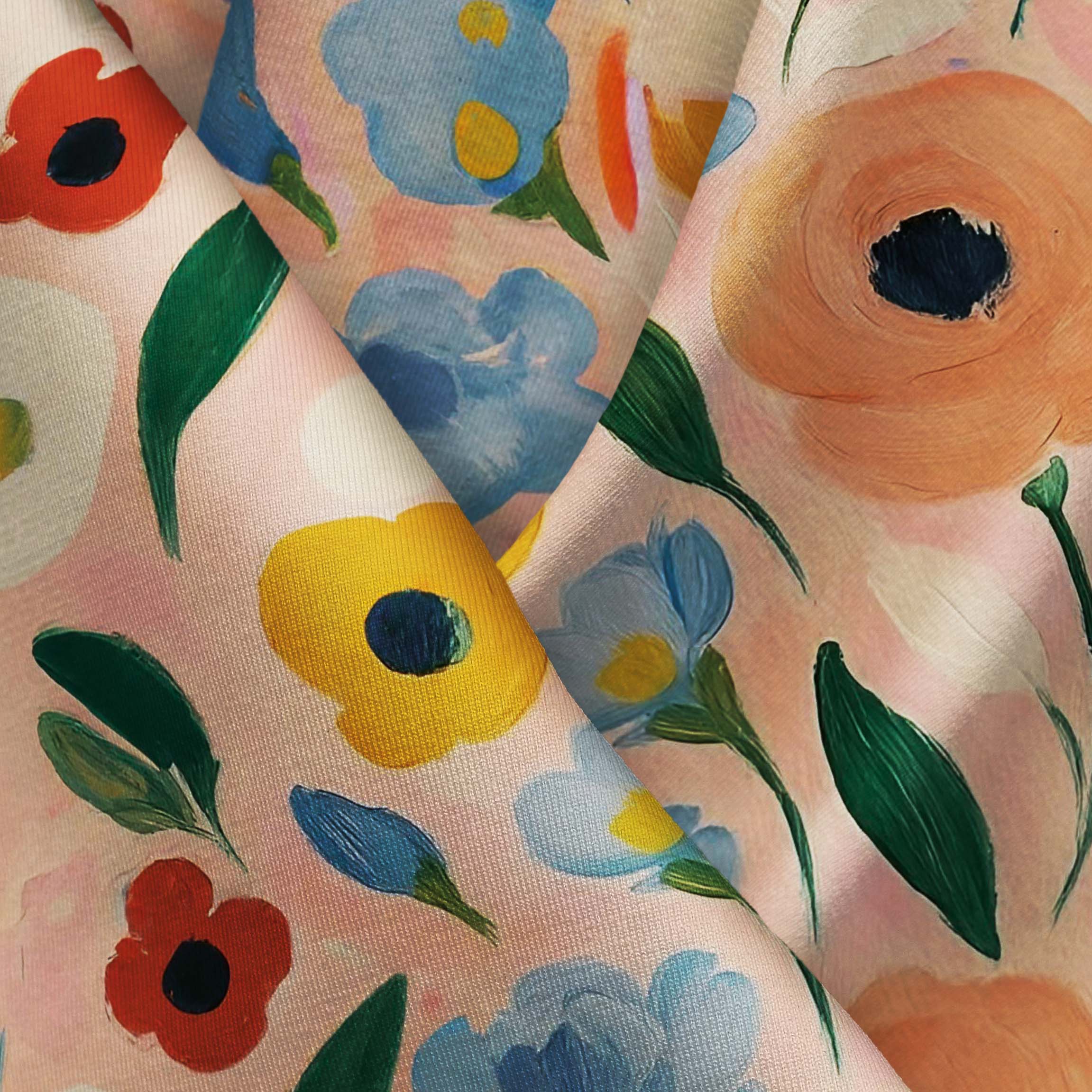
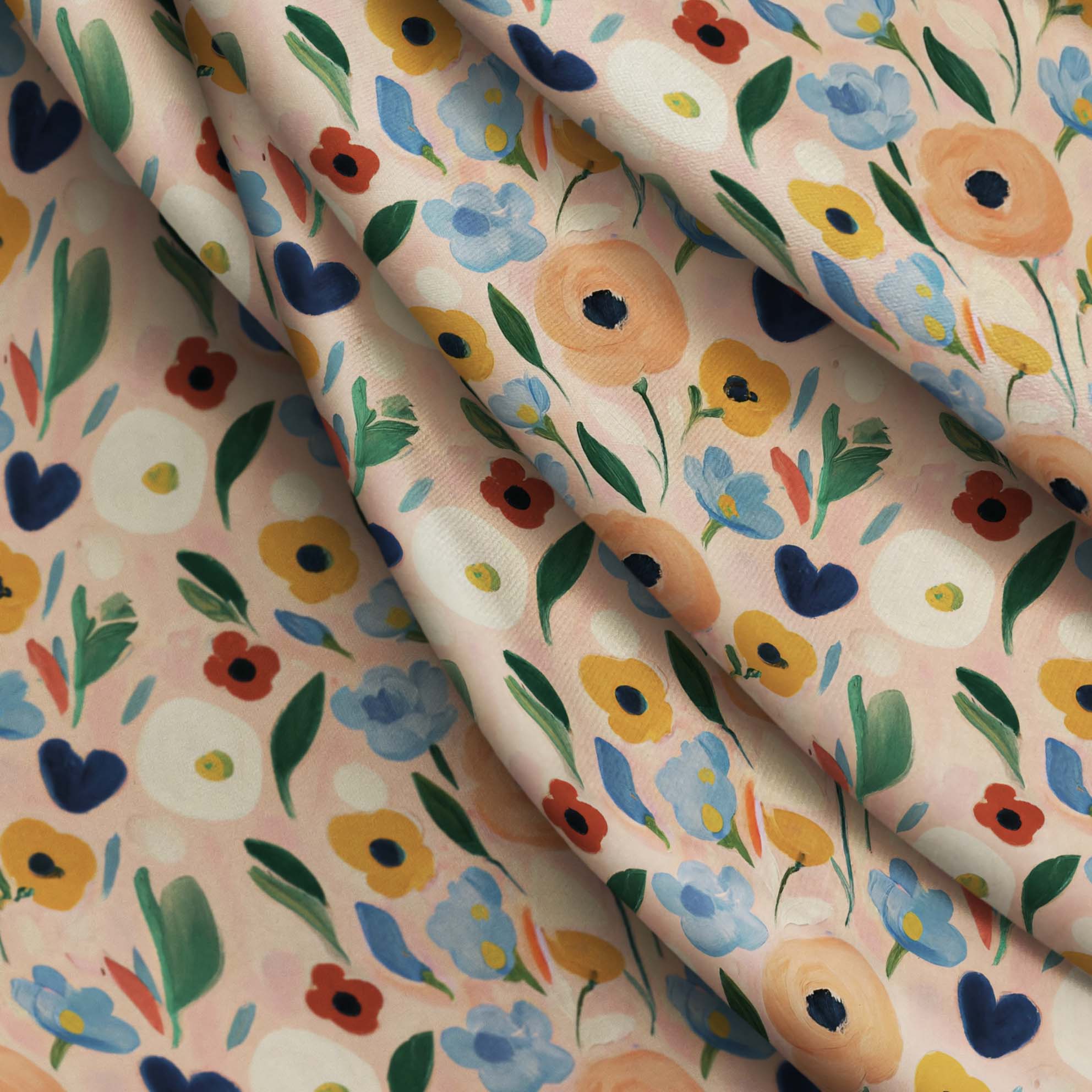
The Recycled Lycra fabric - Seal, weighing 230 gr/m2, is characterized by its composition of 75% polyester and 25% elastane, combining an abstract watercolor design in Margarita Pink, Mint Green, and Deep Sea Green tones, evoking a natural floral symphony. This fusion of colors provides a vibrant and fresh aesthetic that can be combined with solid tones such as white, black, or soft gray, bringing elegance and versatility to each garment. It is relevant to mention that the fabric is printed with the design digitally printed on one side, which ensures exceptional print quality and a visually appealing finish.
The general characteristics of the fabric highlight its elasticity and softness to the touch, resulting in a chlorine-resistant material with a very high UV protection factor (UPF 50+), making it ideal for use in both aquatic environments and outdoor activities. The sublimation printing technology on polyester allows the colors to integrate deeply into the fabric fibers, guaranteeing durability and resistance of the design over time.
The uses and applications of this fabric are broad and extend to various categories. Recycled Lycra is perfect for creating lingerie and bodysuits, as well as sportswear such as swimsuits, bikinis, leotards, and leggings. Its elasticity and adaptability to different silhouettes make it an optimal choice for swimwear, allowing freedom of movement without sacrificing style. The possibility of designing garments for women, men, and children makes it even more versatile in the textile field.
Regarding the care of this fabric, it is important to follow certain recommendations to ensure its longevity. It is advised not to bleach, wash at a maximum temperature of 40ºC, and avoid tumble drying. Additionally, ironing at a cool temperature is recommended, and dry cleaning should not be performed, which helps maintain the quality of the fabric and the vibrancy of the colors.
Finally, the printing technology used for this fabric, sublimation, consists of a process in which inks turn into gas and fuse with the fabric fibers when subjected to heat. This not only allows for sharp details and vibrant colors but also ensures that the printed design does not wear out over time, maintaining the integrity and visual appeal of the fabric even after multiple washes. The combination of these characteristics and technologies results in a final product that is both functional and aesthetically attractive, ideal for current fashion trends.