Close
Click or press [Enter] to view the results
Trends


Printed Fabrics View articles
Telas en Colores Lisos View articles
Telas para Imprimir View articles
Trends
Printed Fabrics View articles
Telas en Colores Lisos View articles
Telas para Imprimir View articles

Elige colores lisos a juego con tu estampado favorito. ¡Selecciona aquí alguno de los colores principales!
| Material: | 75% Polyester, 25% Elastane |
| Width (cm): | 150 |
| Grammage (g/m²): | 230 |
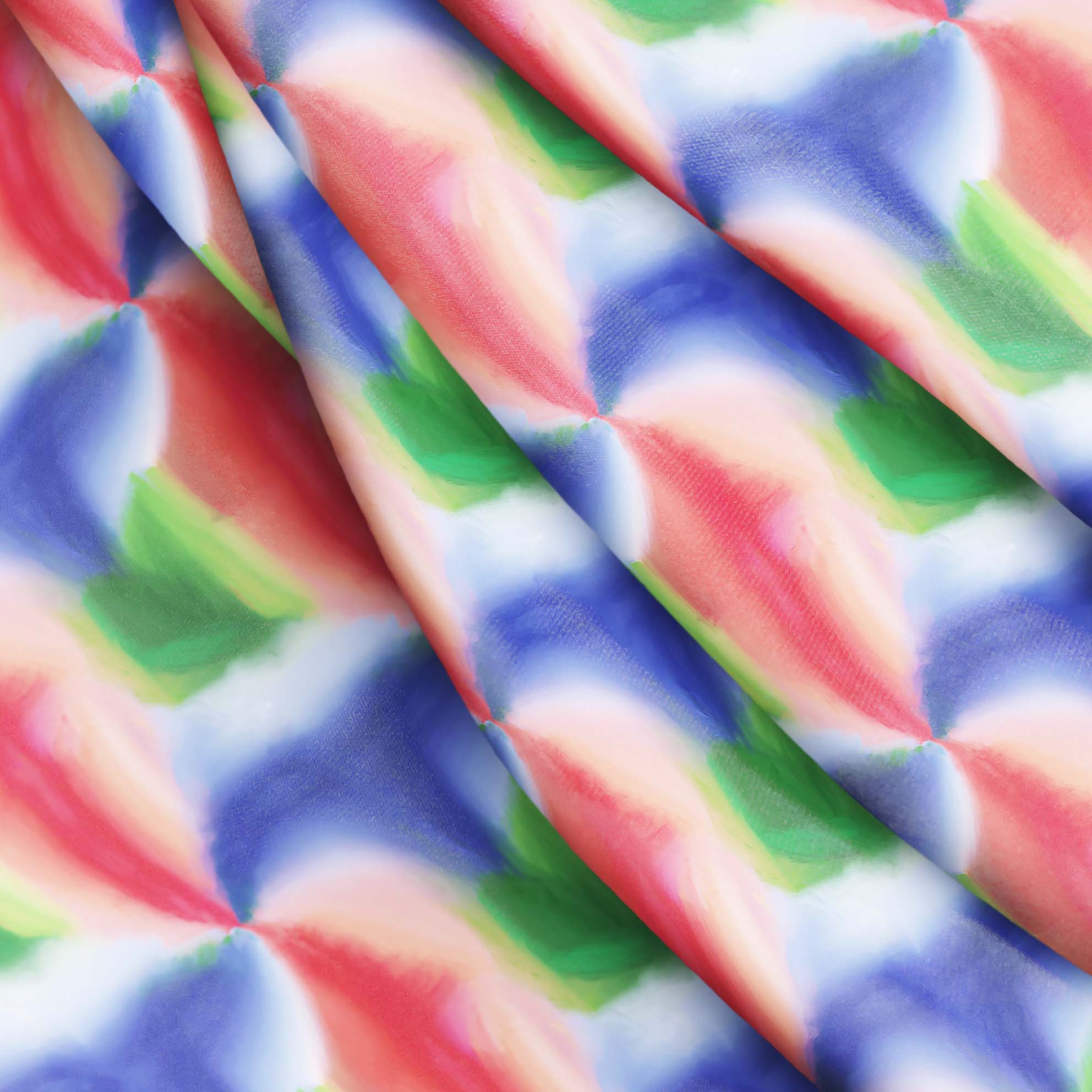
| Pattern: | Distorted, Abstract, Distorted, Abstract, Dark Ones |
| Features: | Elastic, Chlorine Resistant, Very High UV Protection 50+ |
| Application / Use: | Body, Bikinis, Swimsuit, Jersey, Tights / Leggings |
| Sustainability certificates: | GRS |
| Manufacturing Method: | Single-sided digital textile printing, all products are custom-made to order. |
| Care: |
     |
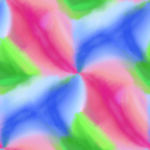
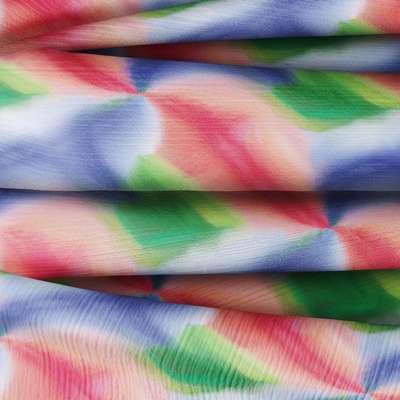
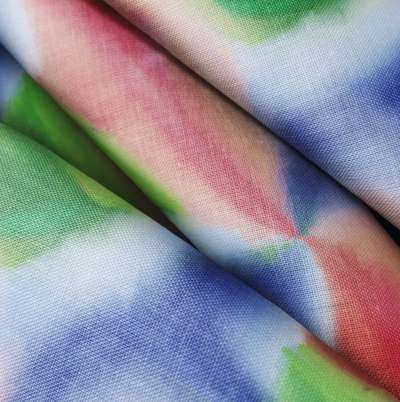
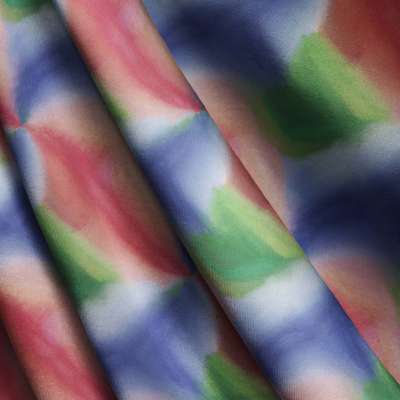
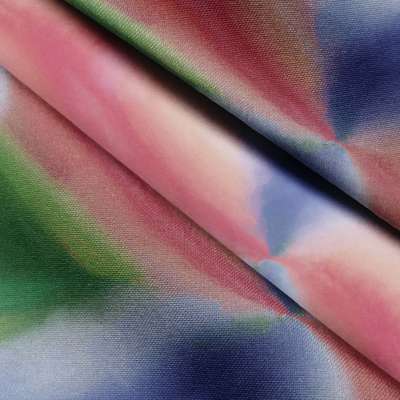
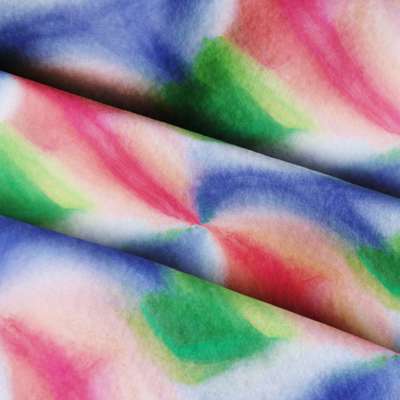
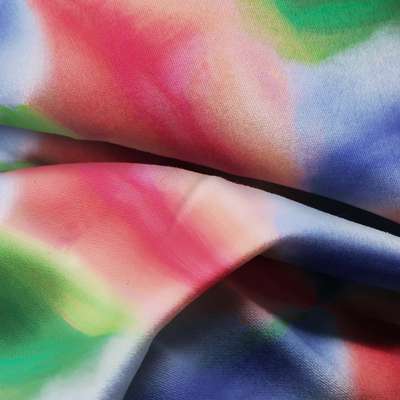
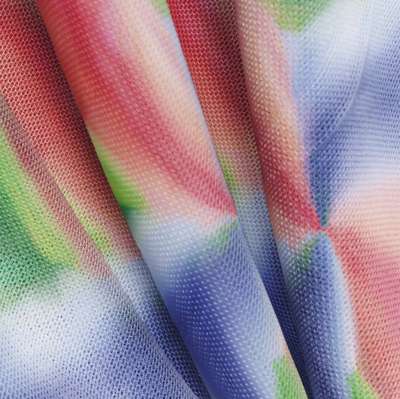
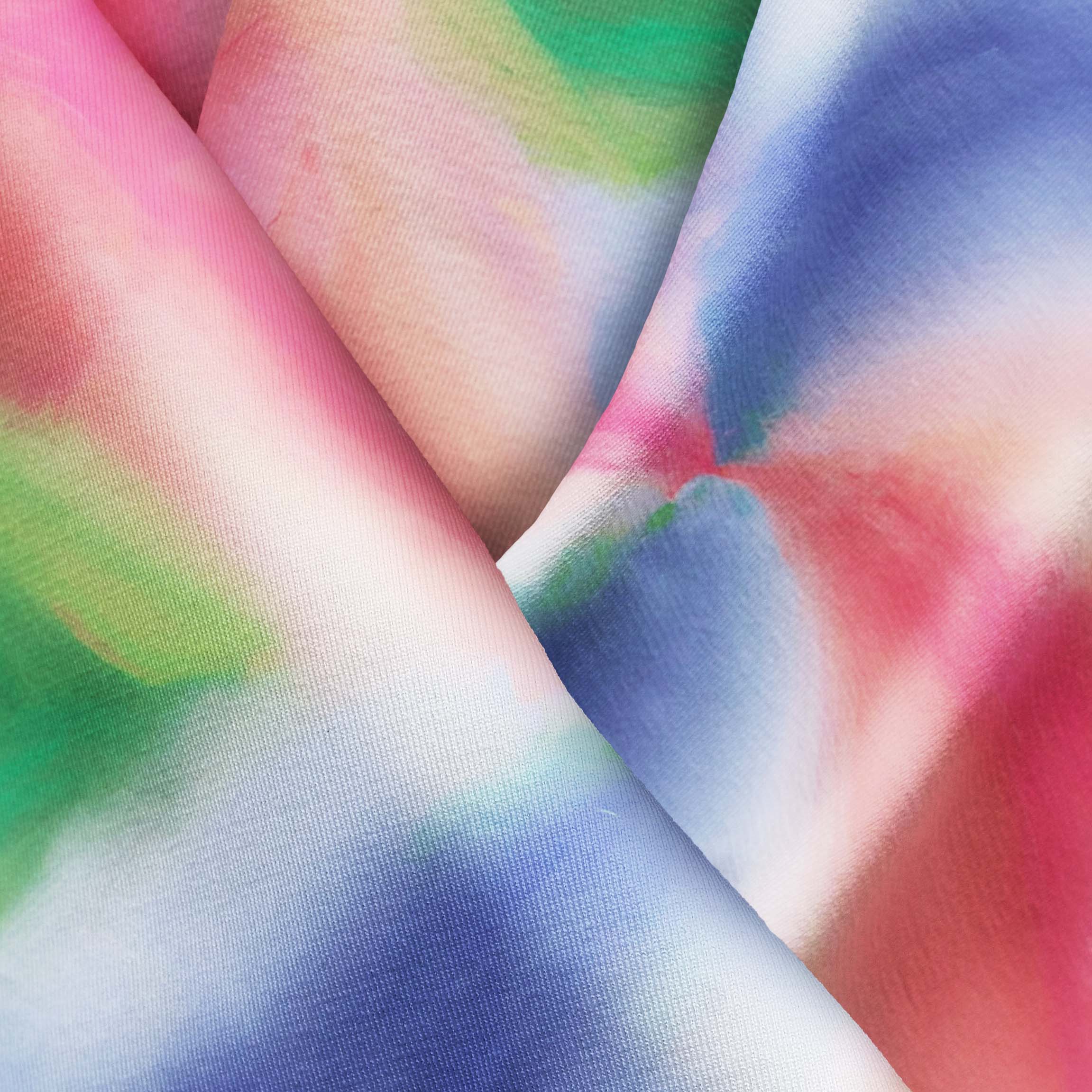
The 230 gr/m2 Recycled Lycra - Seal fabric is a lycra textile with a composition of 75% polyester and 25% elastane, featuring a printed design characterized by abstract and distorted shapes with a dark and multi-colored palette. This vibrant and dynamic design offers a modern and energetic look, ideal for garments that seek to stand out. The fabric is digitally printed on one side, ensuring a high-quality finish.
Technically, the Recycled Lycra - Seal is characterized by its elasticity and resistance, making it an ideal material for a variety of uses. Its soft and elastic texture provides a pleasant feel against the skin, while its 230 gr/m2 weight offers an elegant drape and exceptional durability. Additionally, the fabric boasts very high UV protection (UPF 50+ factor), making it perfect for swimwear and outdoor activities. Its chlorine resistance is also an important attribute, ensuring the longevity of both the colors and the material itself, especially in aquatic environments.
Among the applications for this fabric are its use in lingerie, bodysuits, swimsuits and bikinis, as well as leotards and sports leggings/tights. Due to its elasticity and flow, it is ideal for garments that require a snug fit, allowing for complete freedom of movement. This variety of applications makes it an attractive option for both fashion and sports, where functionality and style merge.
To care for the Recycled Lycra - Seal fabric, certain guidelines must be followed to maintain its quality and durability. It is important to avoid bleaching and dry cleaning, as well as to limit washing temperature to a maximum of 40ºC. Ironing should be done at a cool temperature, and finally, it is crucial not to tumble dry, as this could damage the fabrics properties. Adhering to these guidelines will ensure that garments maintain their original shape and appearance for longer.
The printing technology used for the manufacturing of this fabric is sublimation on polyester. This method involves transforming special inks into gases that adhere to the fabric fibers, resulting in a vibrant and durable print that does not peel or fade over time. Digital textile printing not only provides a high-quality aesthetic finish but also allows for the creation of intricate and personalized designs, making this fabric an excellent choice for those seeking uniqueness in their garments.