Close
Click or press [Enter] to view the results
Trends


Printed Fabrics View articles
Telas en Colores Lisos View articles
Telas para Imprimir View articles
Trends
Printed Fabrics View articles
Telas en Colores Lisos View articles
Telas para Imprimir View articles

Elige colores lisos a juego con tu estampado favorito. ¡Selecciona aquí alguno de los colores principales!
| Material: | 82% Polyester, 18% Elastane |
| Width (cm): | 150 |
| Grammage (g/m²): | 270 |
| Pattern: | Pictorial, Standard, Decorative, Leaves, Dark Ones |
| Features: | Elastic, Chlorine Resistant, Very High UV Protection 50+ |
| Application / Use: | Body, Swimsuit, Bikinis, Jersey, Tights / Leggings |
| Manufacturing Method: | Single-sided digital textile printing, all products are custom-made to order. |
| Care: |
     |
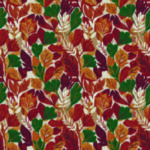
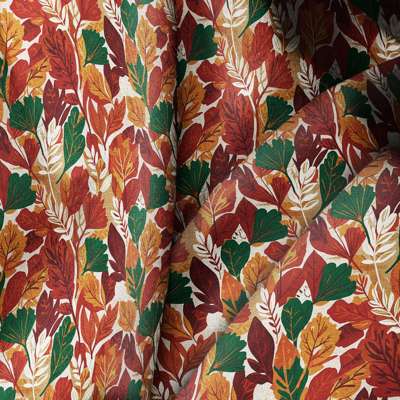
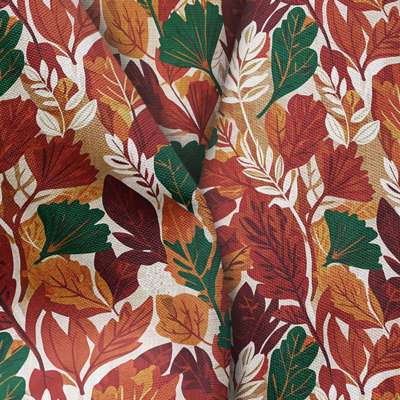
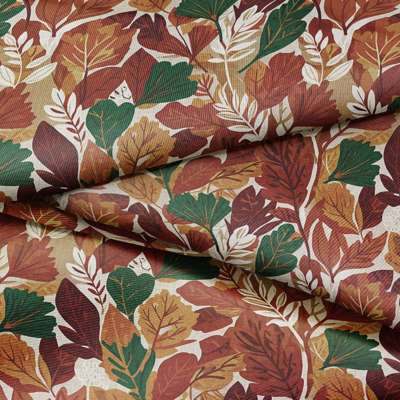
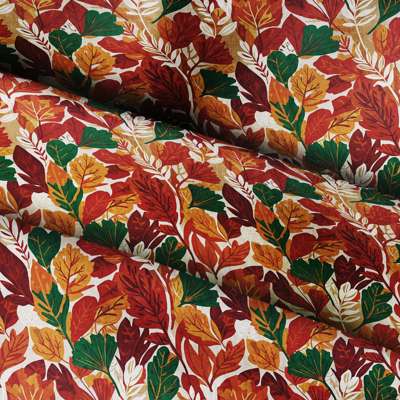
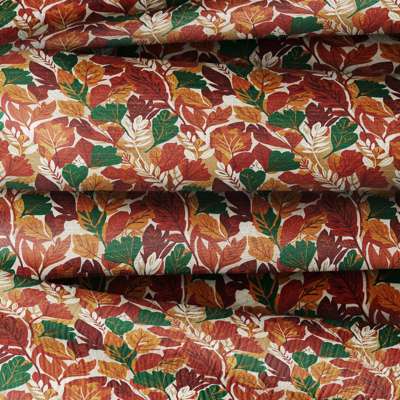
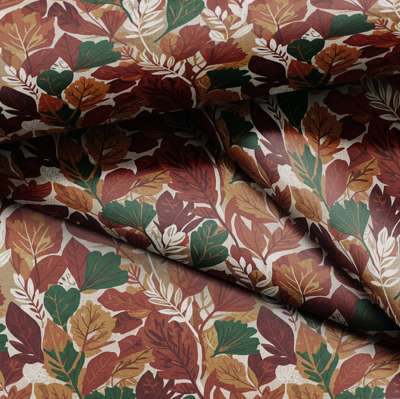
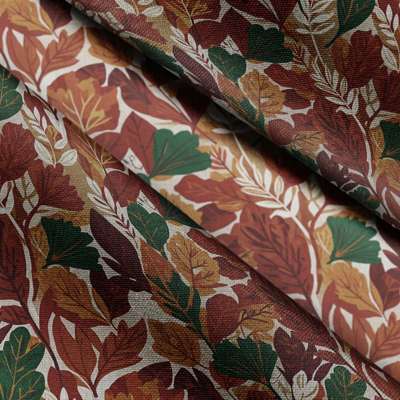
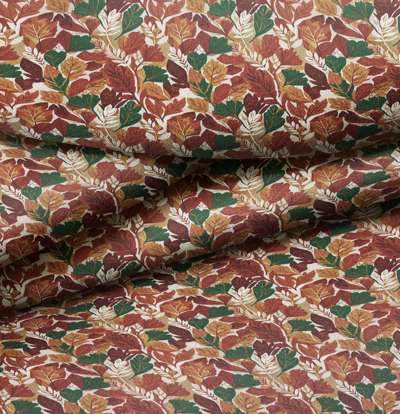
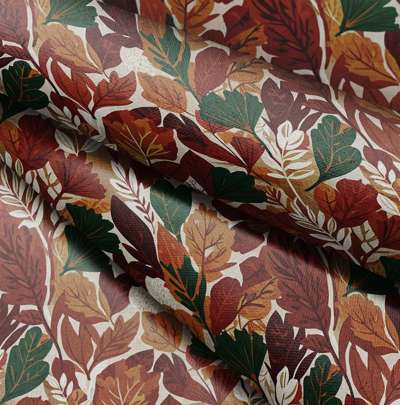
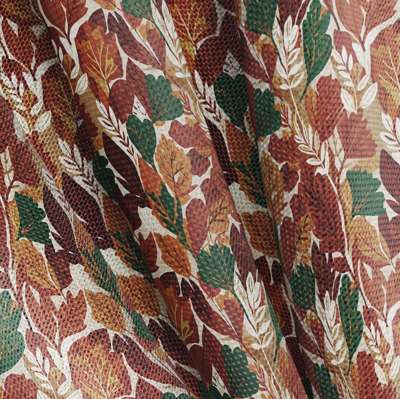
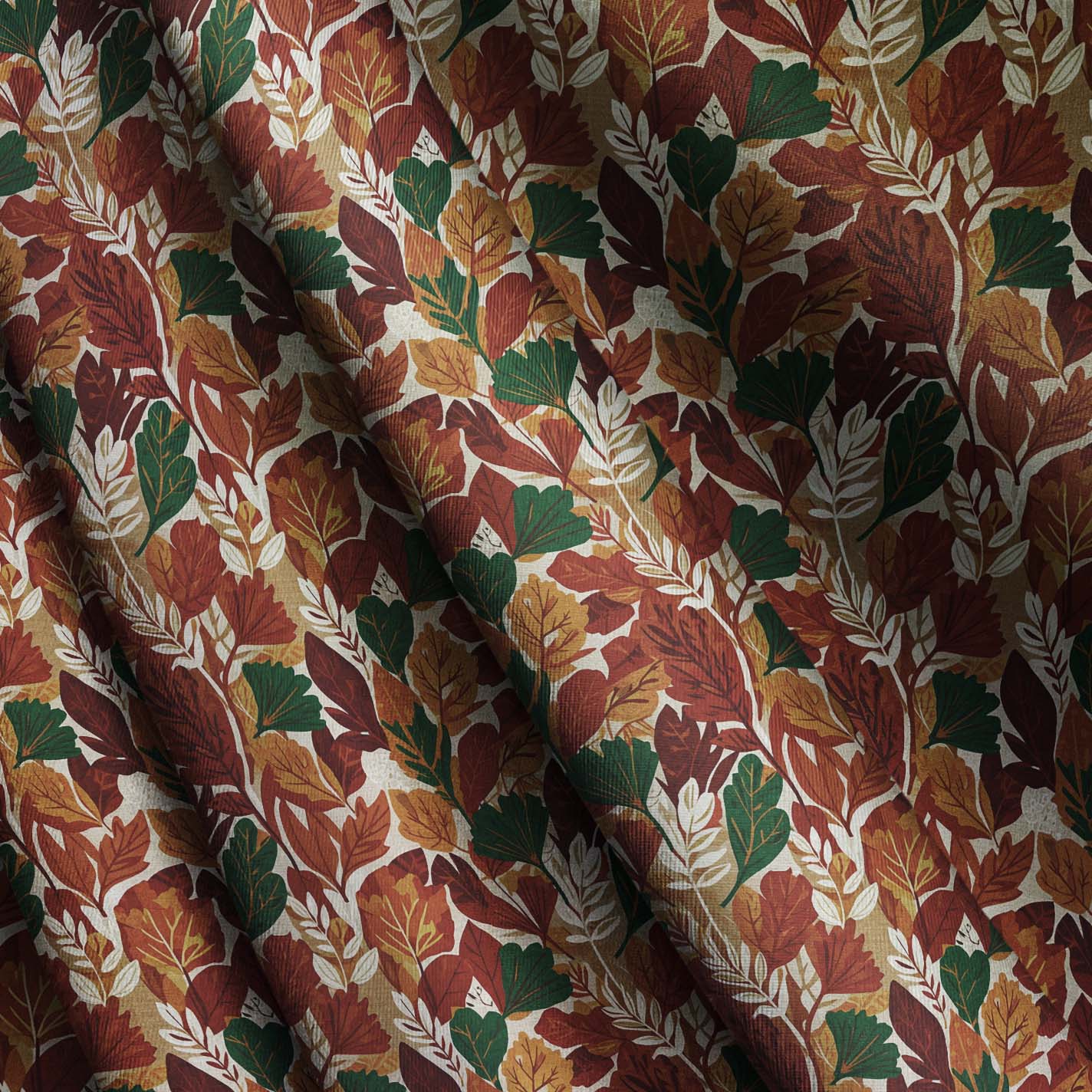
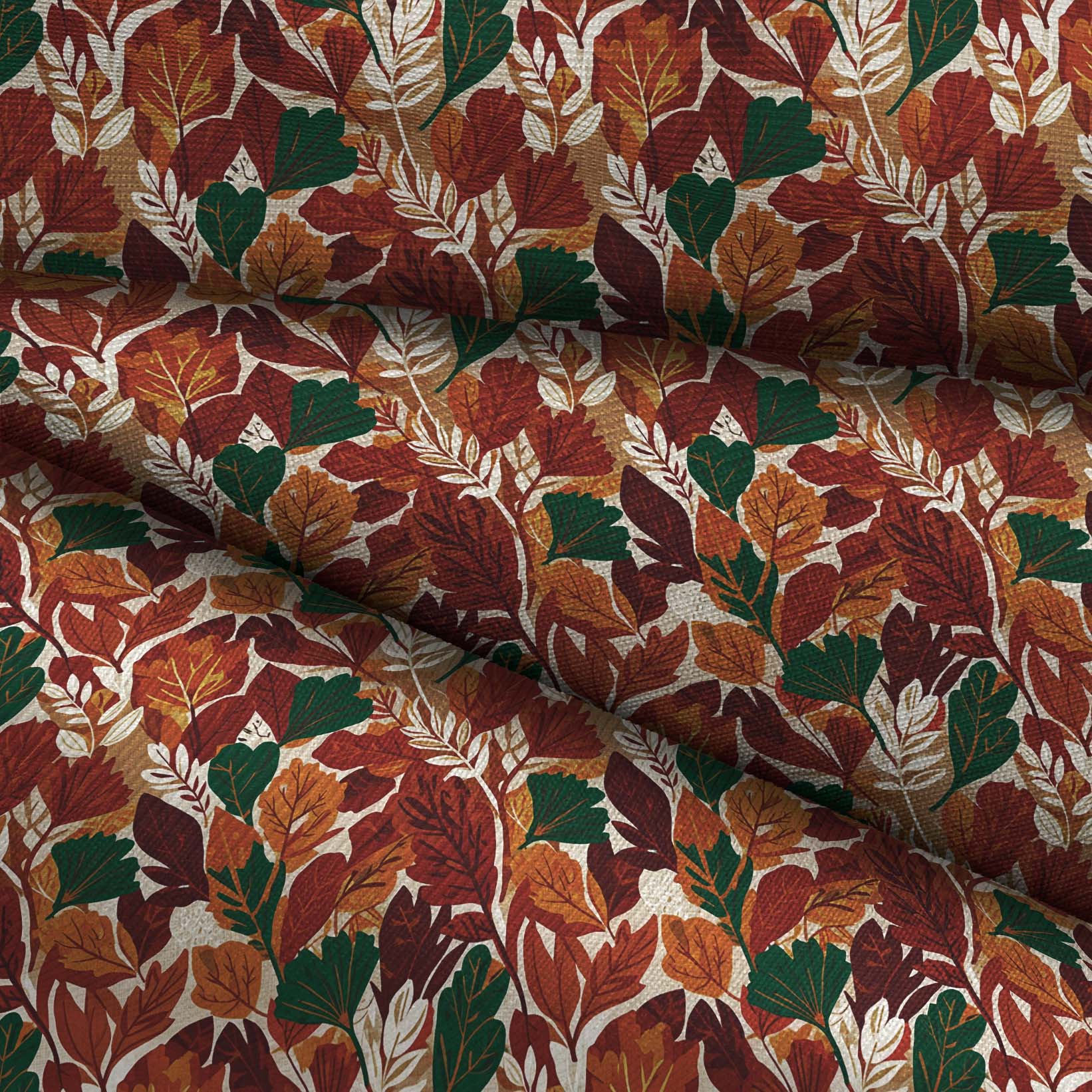
The Polyester Lycra fabric - Nairobi, weighing 270 gr/m2, is characterized by its elastic composition and versatile use. Its printed design, with a decorative style and pictorial nature, features a rich multicolor palette with a predominance of dark tones, relying on the representation of plants and leaves that evoke the freshness of nature.
The design manifests as a work that intertwines aesthetics with functionality, ideal for those who seek to express themselves through fashion and design. The interactivity of the print with dark colors provides depth and dynamism to the fabric, allowing the garment to stand out. For a coordinated effect, this fabric can be combined with solid colors such as black, dark grey, olive green, or even more vibrant tones like mustard yellow, which would offer an attractive counterpoint to its visual richness. It is important to mention that the fabric is printed with the stamped design on one side using digital textile printing, which means that the reverse side of the fabric maintains a base color finish without printing.
The general characteristics of Polyester Lycra - Nairobi include its elastic texture, which allows a wide range of motion, and its chlorine-resistant finish with very high UV protection (50+). This level of protection makes the fabric especially suitable for garments that will be exposed to the sun for prolonged periods, offering safety and comfort to those who wear it. Additionally, its weight of 270 gr/m2 gives it remarkable durability and wear resistance, adapting to the demands of sports and recreational activities.
Among the uses and applications of this fabric, its use in lingerie stands out, where comfort and aesthetics are essential. In the sports field, it is perfect for manufacturing swimsuits, bikinis, leotards, and leggings, as its elasticity and chlorine resistance guarantee excellent performance in water and outdoor activities. It is also suitable for fashion garments, allowing designers to create collections that merge style with functionality, which is especially relevant in the sports and swimwear industry.
When it comes to caring for the fabric, recommendations must be taken into account to ensure its longevity. Bleach should not be used, and the maximum washing temperature should be 40ºC. Dry cleaning is allowed, except when trichloroethylene is used. Ironing should be done at cool temperatures, and it should not be tumble dried to avoid damage or alterations in elasticity.
Finally, the printing technology used is sublimation on polyester, a technique that allows ink to be transferred to the fabric fibers in such a way that the design is permanently incorporated. This digital textile printing enhances the colors and details of the design, ensuring that images and graphics are vibrant and high quality, without compromising the texture and functionality of the fabric.