Close
Click or press [Enter] to view the results
Trends


Printed Fabrics View articles
Telas en Colores Lisos View articles
Telas para Imprimir View articles
Trends
Printed Fabrics View articles
Telas en Colores Lisos View articles
Telas para Imprimir View articles

Elige colores lisos a juego con tu estampado favorito. ¡Selecciona aquí alguno de los colores principales!
| Material: | 75% Polyester, 25% Elastane |
| Width (cm): | 150 |
| Grammage (g/m²): | 230 |
| Pattern: | Cats, Bats, Drawing, Bruges, Ghosts |
| Features: | Elastic, Chlorine Resistant, Very High UV Protection 50+ |
| Application / Use: | Body, Bikinis, Swimsuit, Jersey, Tights / Leggings |
| Sustainability certificates: | GRS |
| Manufacturing Method: | Single-sided digital textile printing, all products are custom-made to order. |
| Care: |
     |
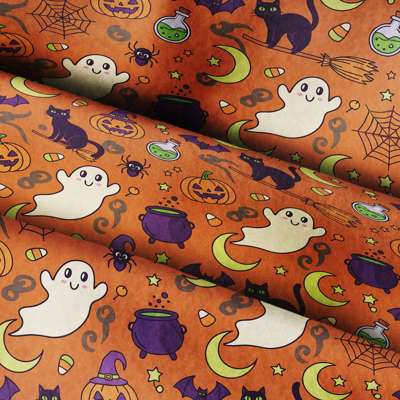
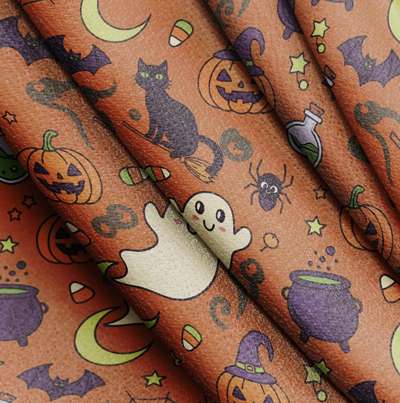
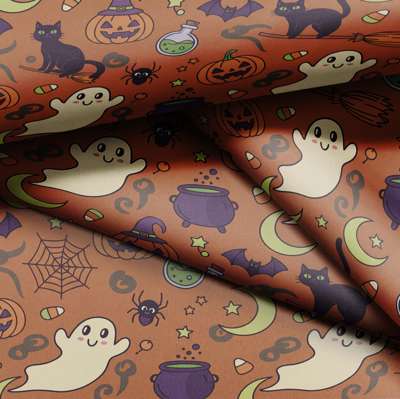
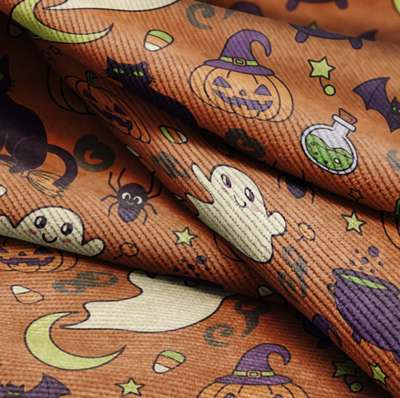
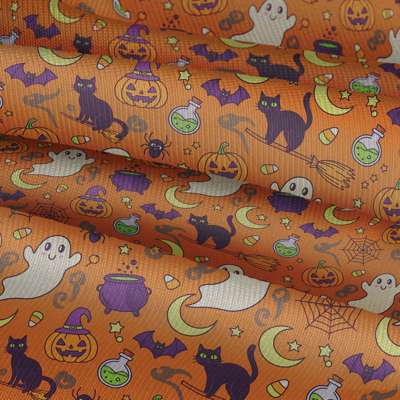
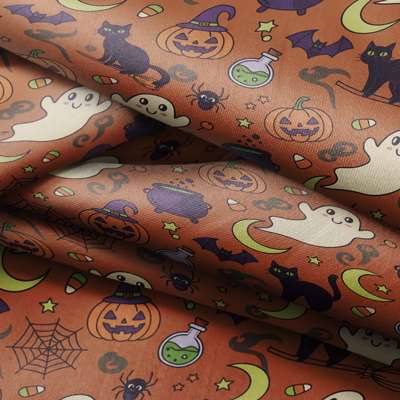
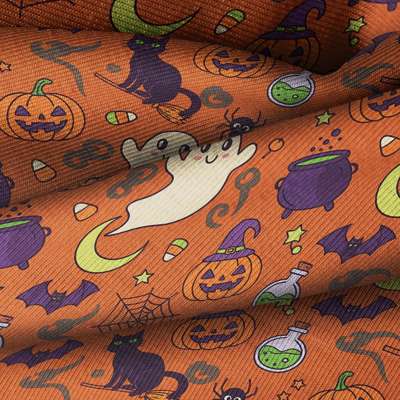
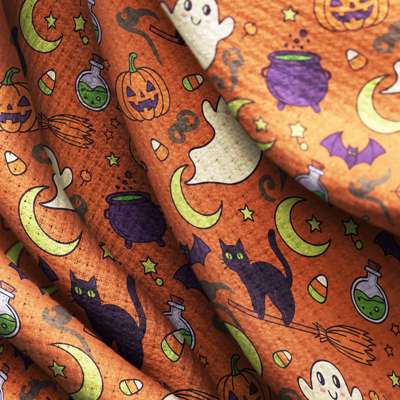
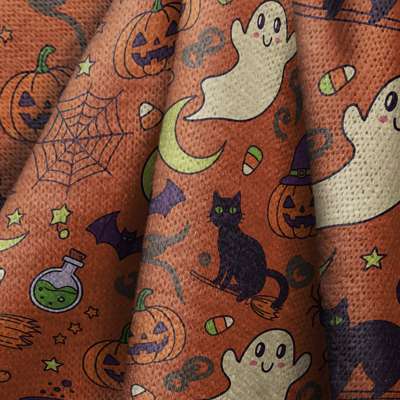
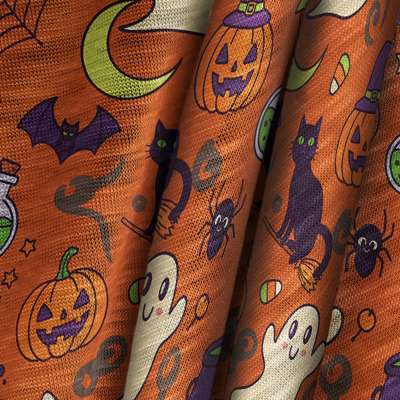
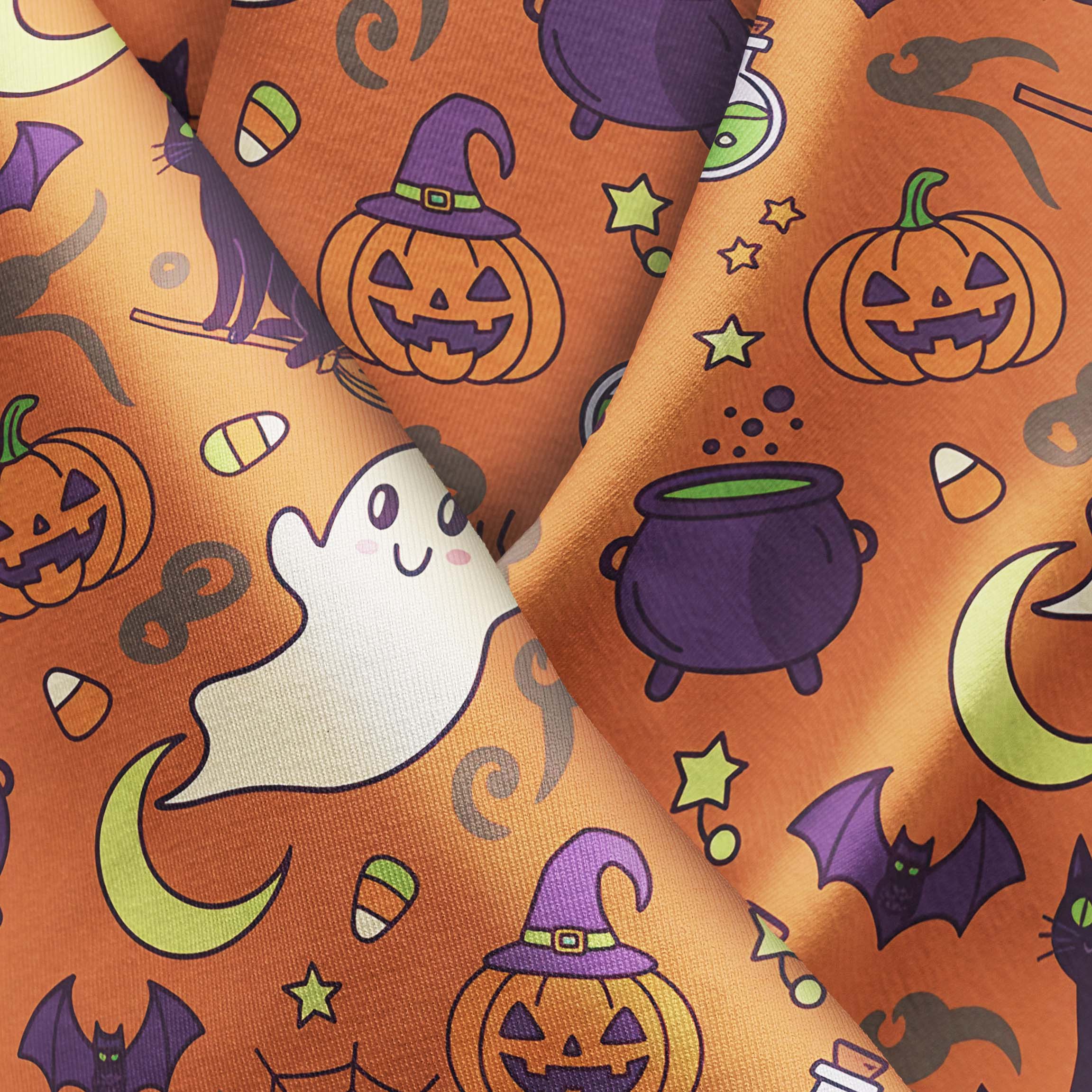
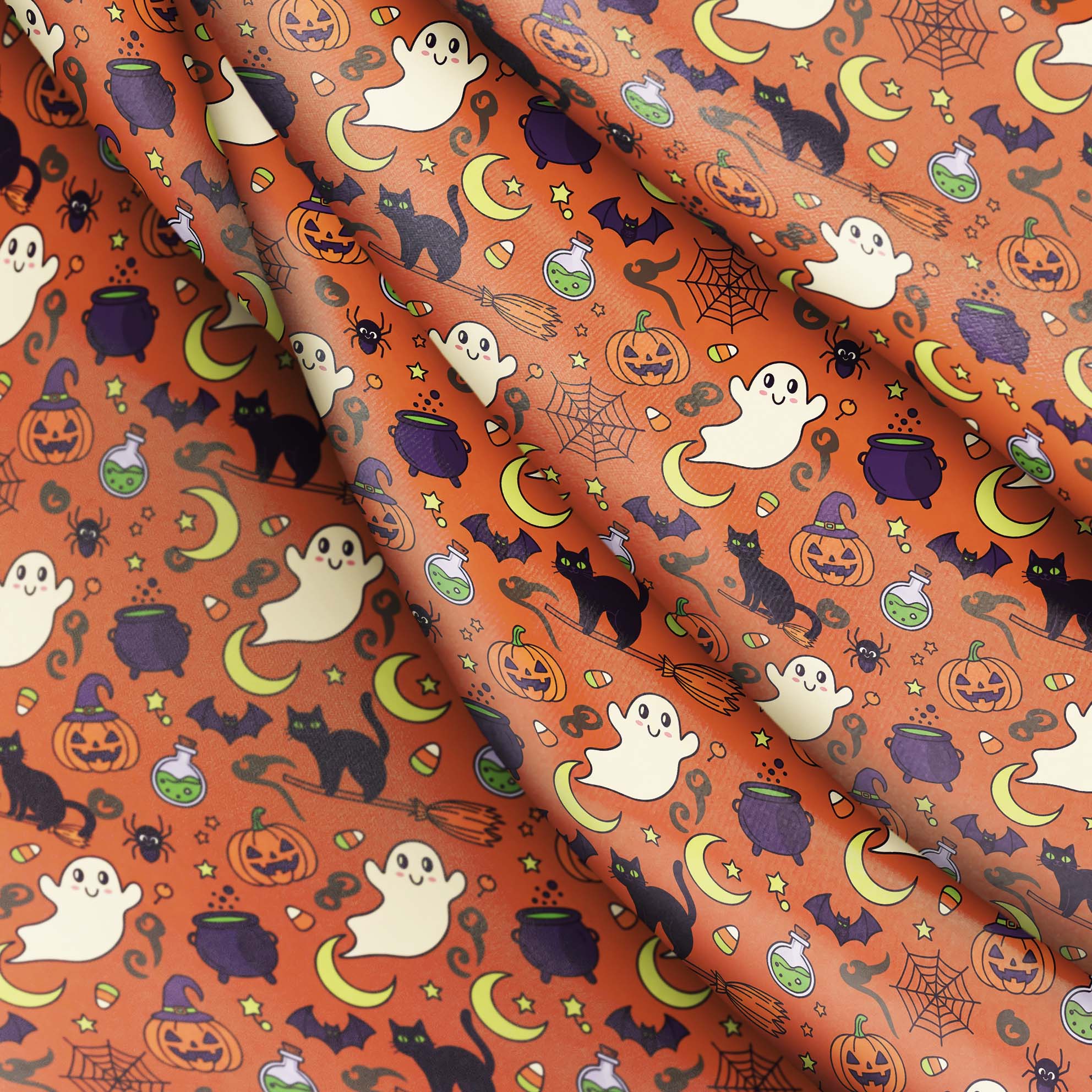
The 230 gr/m² Recycled Lycra Fabric - Seal is an elastic and versatile material, ornamented with a design that evokes a fantasy world inhabited by cats, bats, witches, and ghosts, and decorated with shapes such as moons, cauldrons, and spiderwebs. The dominant colors, such as sienna brown, night black, and marmalade purple, create a vibrant and deep contrast, evoking a magical atmosphere, ideal for capturing the essence of the Halloween season. These tones can be perfectly combined with solid colors like emerald green, light gray, or white, which provide balance and enhance the richness of the print. This fabric is digitally printed with the design on one side, which emphasizes the details and vibrant colors of the print, adding character without sacrificing the essence of the material.
In terms of general characteristics, recycled Lycra stands out for its soft and elastic texture, providing exceptional comfort in contact with the skin. This fabric is not only aesthetically striking but also chlorine-resistant, making it a viable option for aquatic applications. Furthermore, its UV protection factor (UPF 50+) finish ensures that the user remains protected from the sun, making it ideal for making garments for outdoor activities. Its weight of 230 gr/m² allows the fabric to maintain a good structure, being heavy enough to provide an elegant drape even in fitted garments.
The applications and uses of this fabric are varied and extensive. It can be used for making lingerie and bodysuits, as well as sportswear such as leotards, tights, and leggings. In the swimwear sector, it lends itself to bikinis and swimsuits, being a popular choice among women, men, and children alike. Its elasticity and comfort make this fabric perfect for activities that require both movement and a snug fit, providing freedom and support simultaneously.
Regarding necessary care, it is essential to follow certain guidelines to preserve the integrity of the fabric. It should not be bleached or subjected to temperatures above 40ºC during washing. The garment should not be dry-cleaned, and it is recommended to iron at a cool temperature. It is also important to avoid using a dryer, as intense heat can affect the elastic properties of Lycra.
Finally, the printing technology used is sublimation on polyester, a process that allows high-quality inks to be transferred to the fabric surface. This method ensures that designs are vibrant, durable, and do not fade over time, as the inks penetrate the material fibers instead of just remaining on the surface. This not only provides a more professional finish but also contributes to the sustainability of the fabric, an important added value in garment manufacturing today.