Close
Click or press [Enter] to view the results
Trends


Printed Fabrics View articles
Telas en Colores Lisos View articles
Telas para Imprimir View articles
Trends
Printed Fabrics View articles
Telas en Colores Lisos View articles
Telas para Imprimir View articles

Elige colores lisos a juego con tu estampado favorito. ¡Selecciona aquí alguno de los colores principales!
| Material: | 75% Polyester, 25% Elastane |
| Width (cm): | 150 |
| Grammage (g/m²): | 230 |
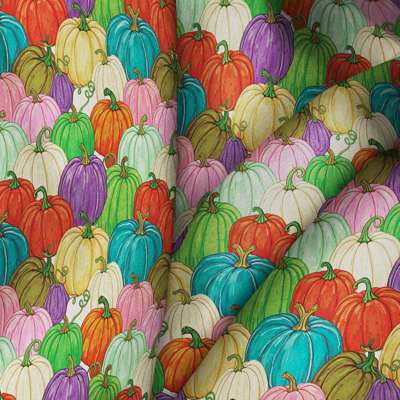
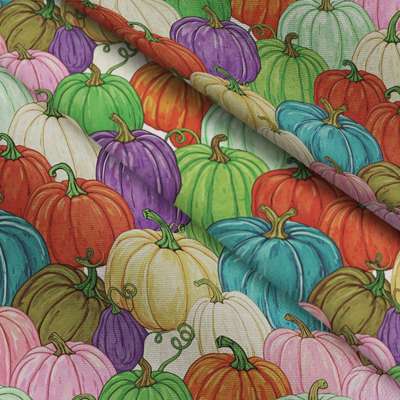
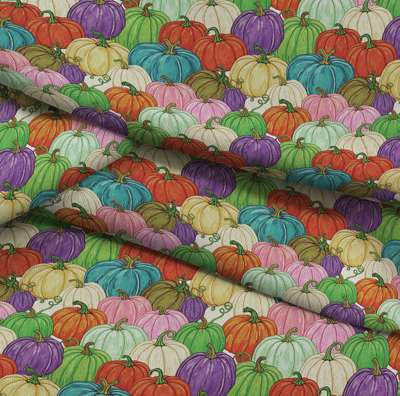
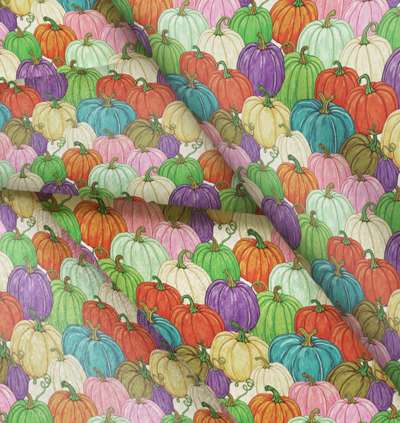
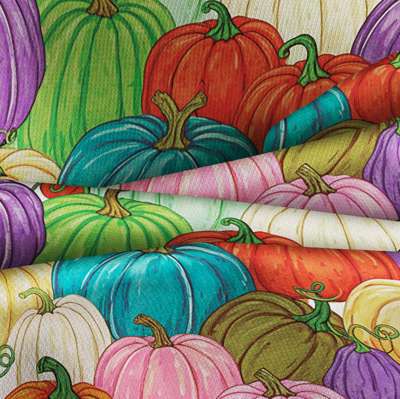
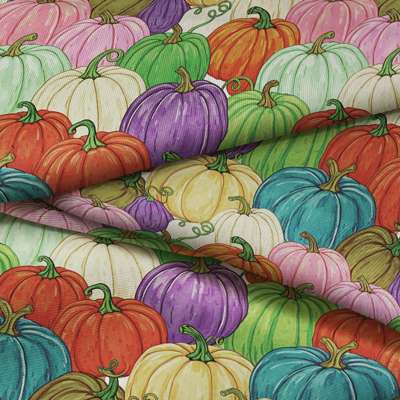
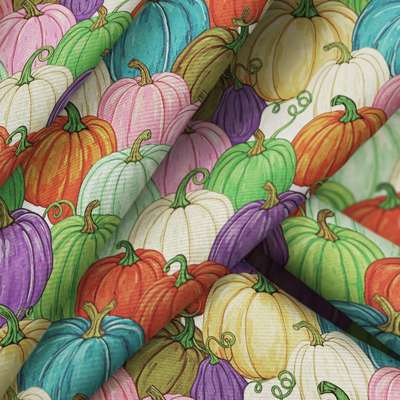
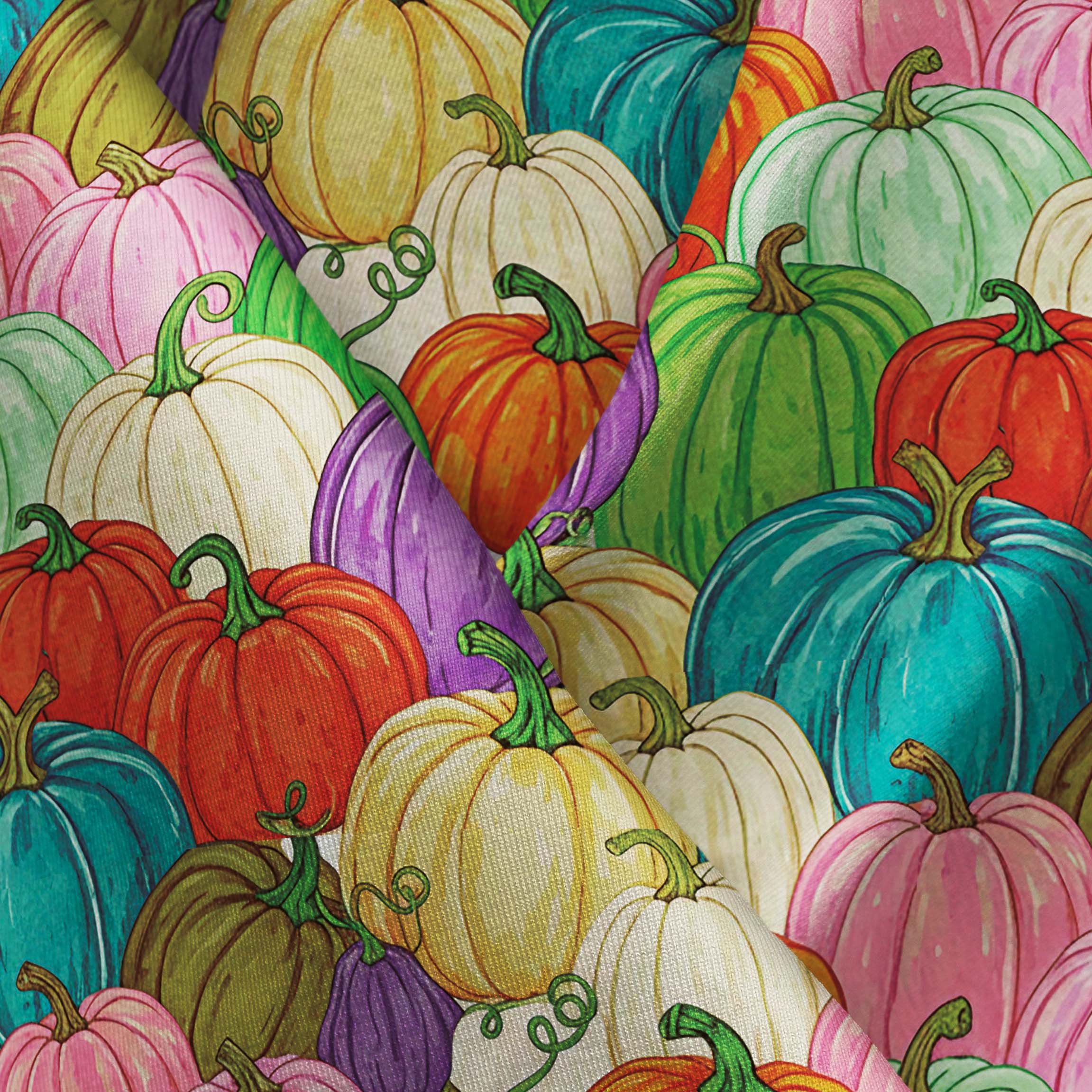
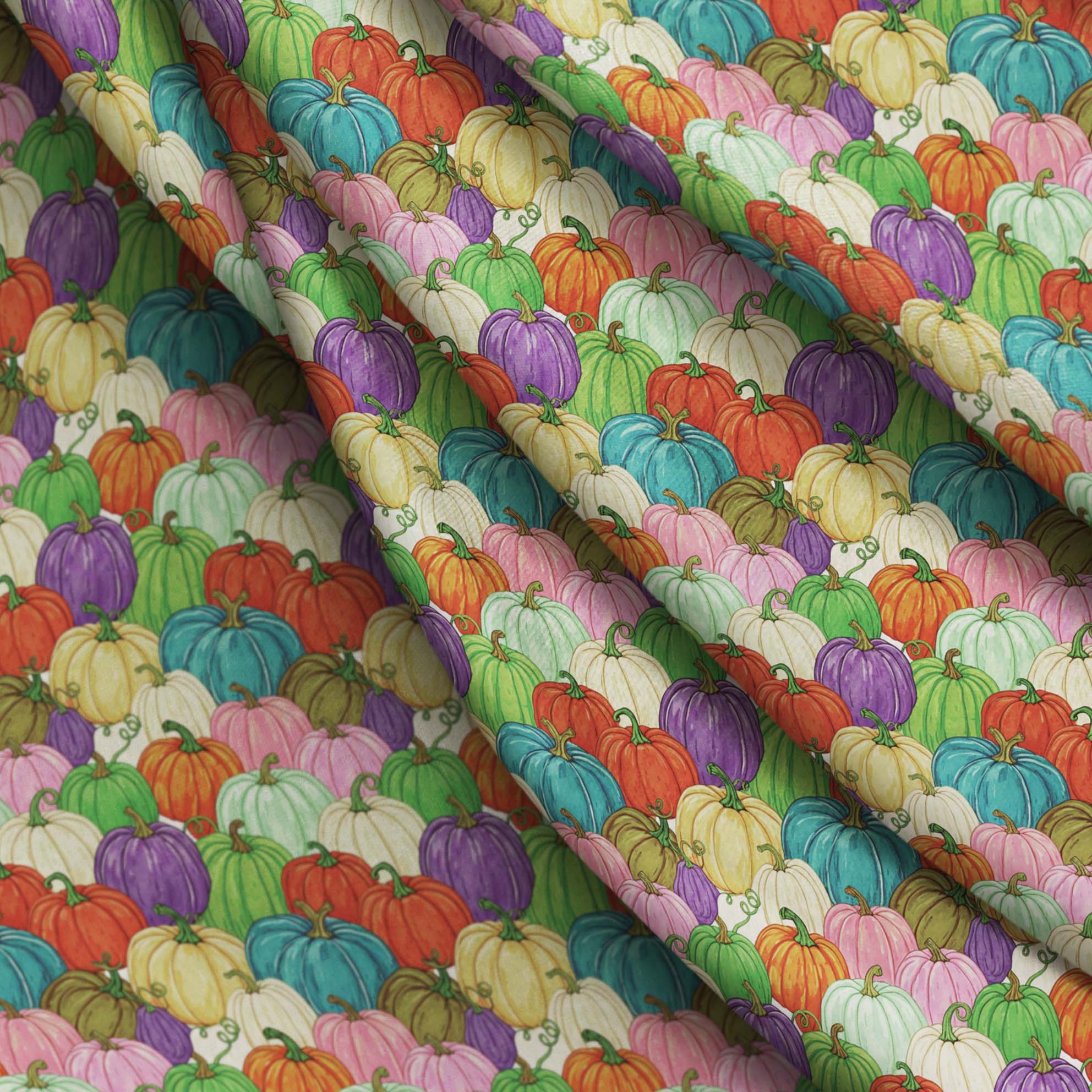
| Pattern: | Drawing, Illustration, Colorful, Pumpkins, Light |
| Features: | Elastic, Chlorine Resistant, Very High UV Protection 50+ |
| Application / Use: | Body, Bikinis, Swimsuit, Jersey, Tights / Leggings |
| Sustainability certificates: | GRS |
| Manufacturing Method: | Single-sided digital textile printing, all products are custom-made to order. |
| Care: |
     |
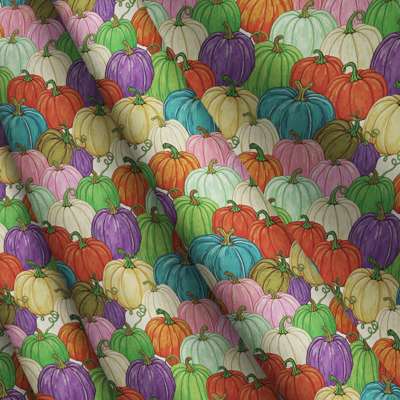
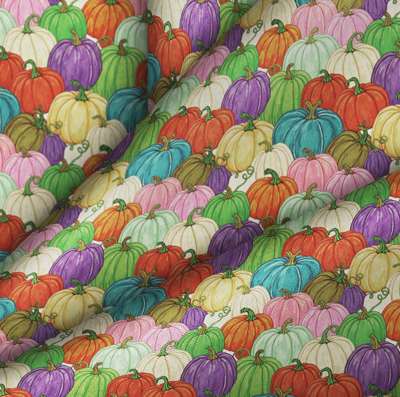
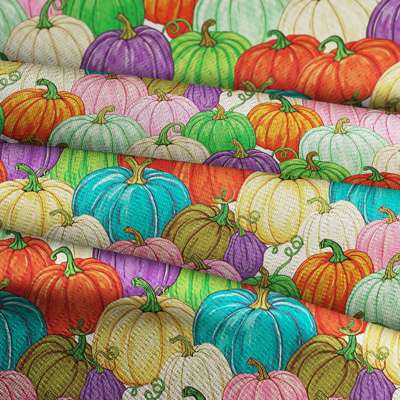
The 230 gr/m2 Recycled Lycra - Seal fabric is an innovative combination of functionality and aesthetics, with a printed design featuring a vibrant illustration of fruits and pumpkins in a colorful and cheerful style. This multicolor design complements the elastic structure of the fabric, creating a visually appealing and practical piece. The fabric is digitally printed with the design on one side, ensuring optimal and impactful color quality in the final result.
From a technical perspective, Recycled Lycra not only provides a soft and elastic feel but also stands out for its chlorine resistance and high UV protection factor (50+), making it ideal for outdoor or water activities. The design adorning the fabric complements these technical characteristics, adding a touch of freshness and vitality to garments that can be both sporty and fashionable, excelling in lingerie, bikinis, swimsuits, leotards, and leggings. The diversity of applications for this fabric makes it a versatile option for swimwear and sportswear, especially effective in creating pieces for children, men, and women who seek both comfort and style.
In terms of care, it is essential to follow some guidelines to ensure the longevity of the garment. Bleach should be avoided, and washing should be done at a maximum temperature of 40 degrees Celsius. Additionally, dry cleaning is not allowed, and ironing at a cool temperature is recommended. It is vital to avoid tumble drying, as intense heat can damage the elasticity and shape of the fabric.
The printing technology used for this fabric is sublimation on polyester. This technique involves transferring inks in gaseous form to the fabric, allowing the colors to integrate directly into the polyester fibers. The result is a durable, wear-resistant design that maintains its vibrant color over time and multiple washes. This ability of sublimation to reproduce precise details and the use of eco-friendly inks also contribute to the products sustainability, aligning with the recycled nature of the base fabric.