Close
Click or press [Enter] to view the results
Trends


Printed Fabrics View articles
Telas en Colores Lisos View articles
Telas para Imprimir View articles
Trends
Printed Fabrics View articles
Telas en Colores Lisos View articles
Telas para Imprimir View articles

Elige colores lisos a juego con tu estampado favorito. ¡Selecciona aquí alguno de los colores principales!
| Material: | 75% Polyester, 25% Elastane |
| Width (cm): | 150 |
| Grammage (g/m²): | 230 |
| Pattern: | Moles, , Dark Ones, Dark |
| Features: | Elastic, Chlorine Resistant, Very High UV Protection 50+ |
| Application / Use: | Body, Bikinis, Swimsuit, Jersey, Tights / Leggings |
| Sustainability certificates: | GRS |
| Manufacturing Method: | Single-sided digital textile printing, all products are custom-made to order. |
| Care: |
     |
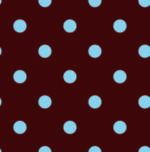
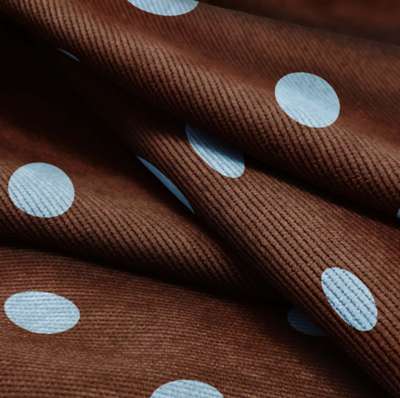
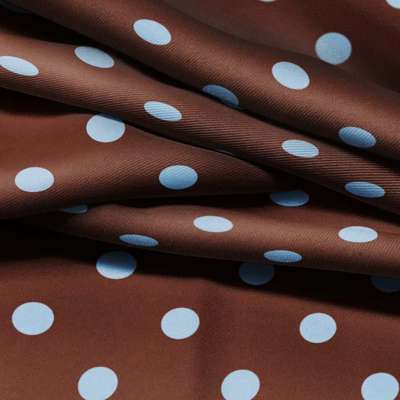
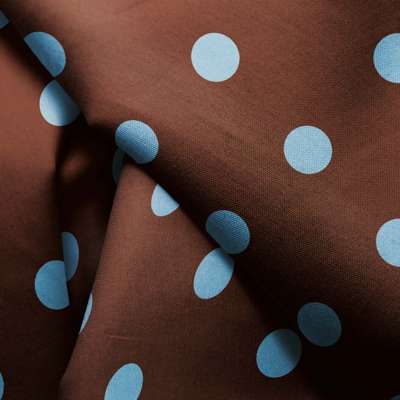
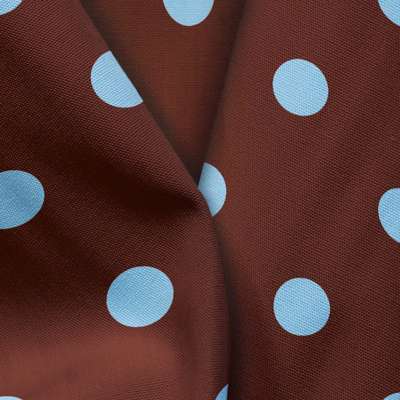
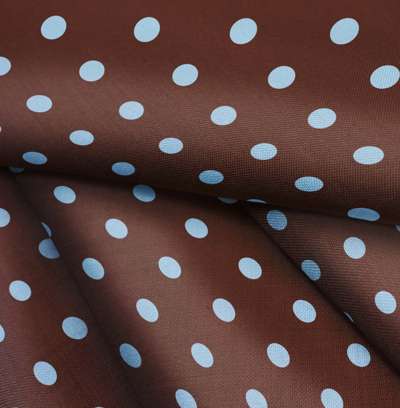
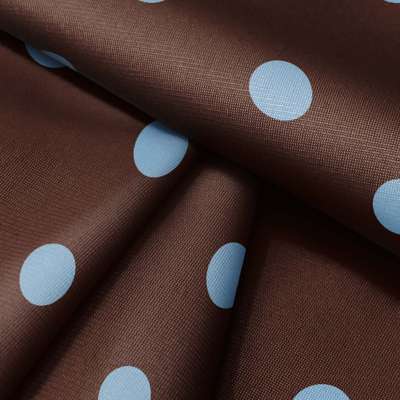
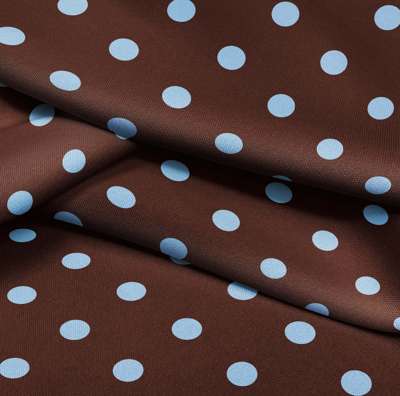
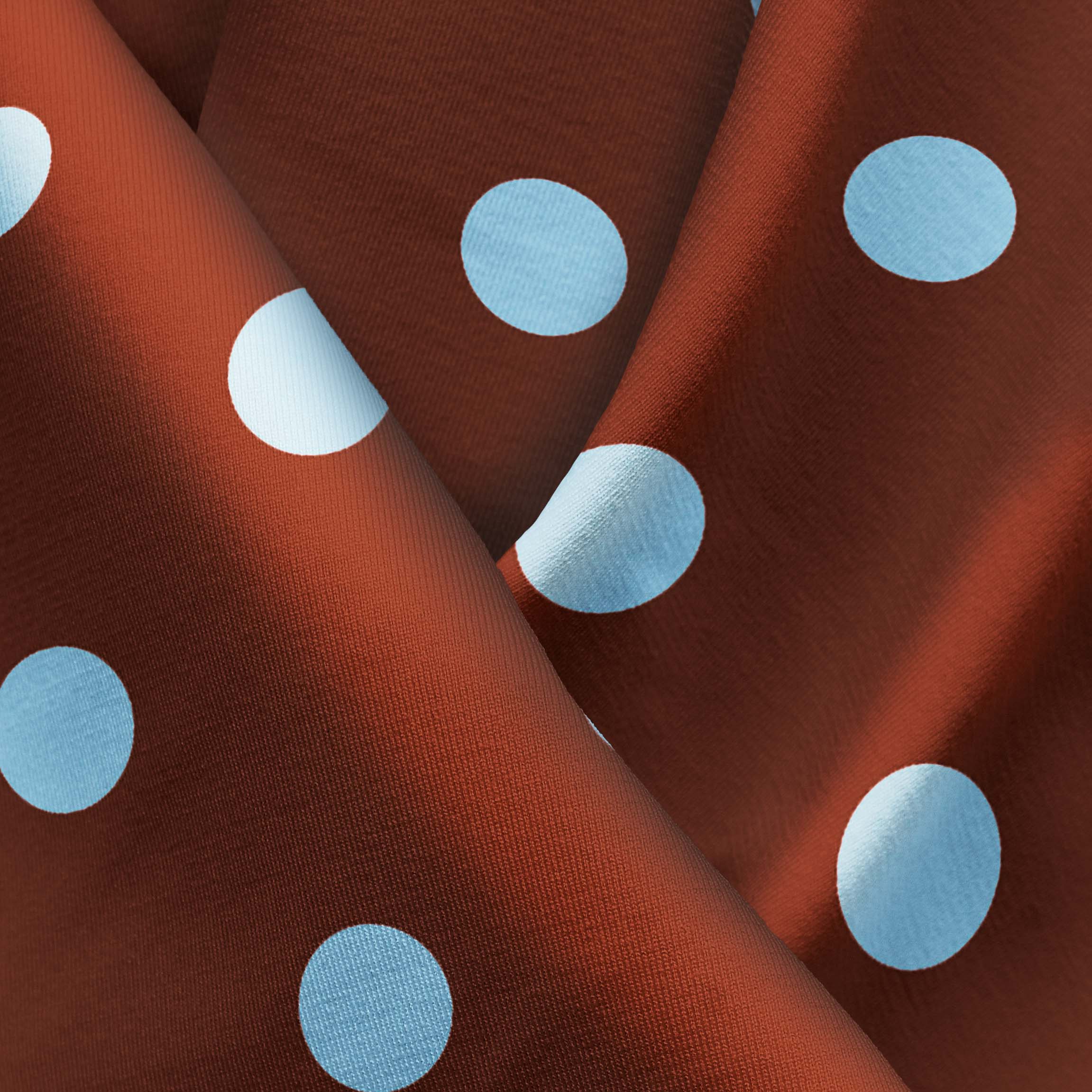
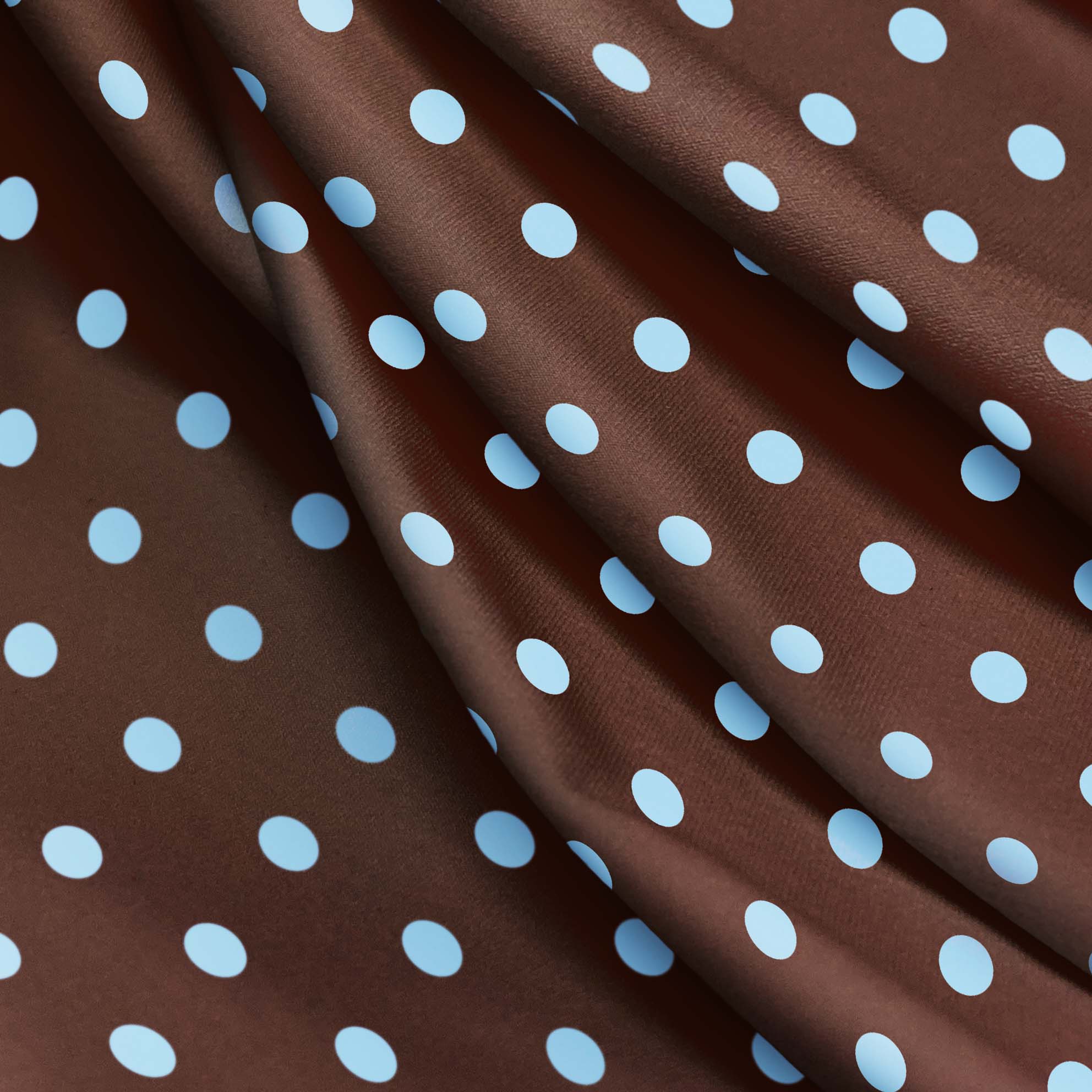
The Recycled Lycra Fabric - Seal, weighing 230 gr/m2, stands out for its composition of 75% polyester and 25% elastane, offering an elastic and resistant base. Its design features circles and polka dots in dark tones, especially midnight black, denim blue, and blood brown, creating an attractive and contemporary visual effect. These graphic elements can perfectly combine with solid colors such as white, terracotta, or olive green, adding a touch of freshness and modernity to any outfit. Its worth noting that the fabric is printed with the stamped design on one side only using digital textile printing, which differentiates it from other fabrics that have prints on both sides.
The general characteristics of this fabric include an elastic texture and a chlorine-resistant finish, ideal for garments that may come into contact with water, such as swimsuits or bikinis. Additionally, its UPF 50+ certification guarantees high UV protection, making it a safe and comfortable option for outdoor activities under the sun. The combination of its elastic properties and resistance makes this fabric very versatile in its use, allowing freedom of movement and comfort, essential characteristics for sportswear and swimwear.
The applications and uses of this type of fabric are broad and varied. In the field of lingerie, it is ideal for making bodysuits, providing fit and support, as well as comfort. For sports, it adapts perfectly to leotards, leggings, and tights, promoting mobility and performance. It is also widely used in swimwear fashion for making bikinis and swimsuits that are not only aesthetic but also offer functionality and durability in aquatic environments. Its versatility means it can be used in collections for women, men, and children, increasing its attractiveness in the market.
Regarding the necessary care to maintain the quality of the fabric and the stamped design, it is essential to follow specific recommendations. Bleaching is not allowed, and it should be washed at a maximum temperature of 40ºC. The garment cannot be dry cleaned, and ironing should be done at a cool temperature to avoid damaging the print. Furthermore, it is important not to tumble dry the fabric, as this can affect both the elasticity and the integrity of the print.
The printing technology used in the manufacturing of this fabric is sublimation, a process that allows ink to be transferred to an acquired material with minimal impact on its texture and properties. In sublimation, the ink turns into gas under heat and pressure, penetrating the polyester fibers. This results in a vibrant and durable finish that does not wear out over time, maintaining the vividness of the colors and the quality of the design. This technique is particularly suitable for technical fabrics like Lycra, as it integrates with the elastic properties without compromising its functionality.