Close
Click or press [Enter] to view the results
Trends


Printed Fabrics View articles
Telas en Colores Lisos View articles
Telas para Imprimir View articles
Trends
Printed Fabrics View articles
Telas en Colores Lisos View articles
Telas para Imprimir View articles


| Material: | 100% Polyester |
| Width (cm): | 150 |
| Grammage (g/m²): | 82 |
| Pattern: | Moles, Dark |
| Features: | Thin, Soft, Translucent, Granules |
| Application / Use: | Dresses, Dresses, Skirts, Blouses, Brides |
| Sustainability certificates: | GRS |
| Manufacturing Method: | Single-sided digital textile printing, all products are custom-made to order. |
| Care: |
     |
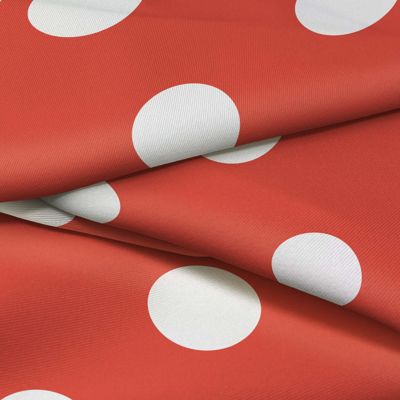
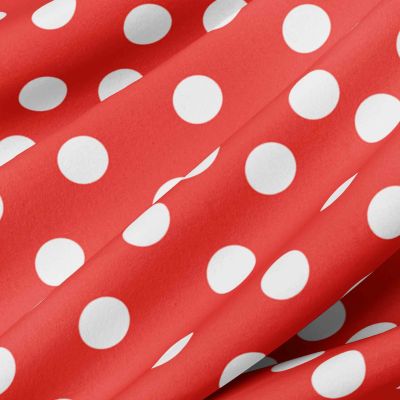
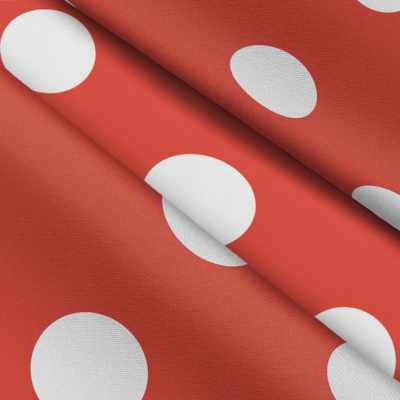
The Recycled Crepe Chine fabric - Eros features a printed design of circular shapes in red and white tones. This design is characterized by being vibrant and eye-catching, ideal for fashion garments and accessories. Additionally, due to the fabrics soft and translucent texture, the design appears to float on the garment, creating a subtle and elegant effect.
This design perfectly combines with other solid colors such as black, gray, and navy blue, as they allow the red circles to stand out. Furthermore, the fabric is digitally printed with the design on one side, ensuring high quality and definition of the design.
The general characteristics of the fabric are its soft and grainy texture, which gives it a delicate and light feel. In addition, its polyester composition makes it resistant, durable, and easy to care for. The design stands out for its bright tonality and its modern and youthful vibe.
The fabric is commonly used to make fashion garments such as dresses, blouses, skirts, and accessories like scarves. It is also an excellent option for lingerie and bridal wear, thanks to its translucent and soft texture.
To keep it in optimal condition, it is recommended not to bleach it, wash it at a maximum temperature of 30ºC, and not use a tumble dryer. In addition, it can be ironed at a low temperature and can be dry cleaned except with trichloroethylene.
The printing technology used for the manufacture of this fabric is sublimation. This process allows digital printing of the design onto the fabric, enabling high definition and brightness of colors. Furthermore, sublimation is a sustainable technique as it does not generate chemical waste or water pollution.