Close
Click or press [Enter] to view the results
Trends


Printed Fabrics View articles
Telas en Colores Lisos View articles
Telas para Imprimir View articles
Trends
Printed Fabrics View articles
Telas en Colores Lisos View articles
Telas para Imprimir View articles


| Material: | 100% Polyester |
| Width (cm): | 145 |
| Grammage (g/m²): | 70 |
| Pattern: | Moles, Dark |
| Features: | Water repellent, Thin, Smooth |
| Application / Use: | Jackets, Shower Curtains, Raincoats, Jackets, Cushions |
| Manufacturing Method: | Single-sided digital textile printing, all products are custom-made to order. |
| Care: |
     |
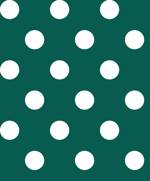
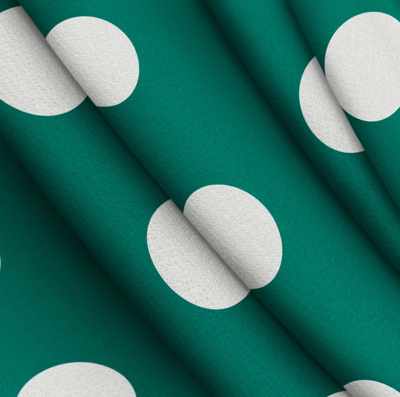
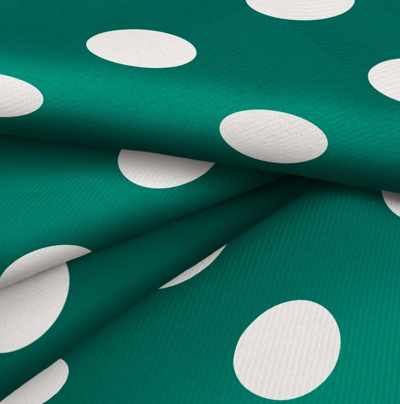
The base fabric is a technical woven fabric, a thin water-repellent fabric called Storm. Its composition is 100% polyester, with a weight of 70 gr/m2 and a width of 145 cm. The printed design features circular and polka dot shapes in deep sea green, cotton white, and mint green colors. It would perfectly combine with plain fabrics in neutral tones like black or gray, and even with more vibrant tones like red or yellow.
The fabric has a waterproof and water-repellent finish, with a very soft and high-quality texture and feel. The design is sharp and defined thanks to sublimation printing technology, which allows for high resolution and durability of the print.
Given its composition and characteristics, this fabric is ideal for a wide variety of applications, from womens and mens fashion, such as jackets or blousons, to home textile products like shower curtains. It is also very useful for making sportswear such as raincoats and jackets, for women, men, and children.
To ensure the durability of the fabric, it is important to follow the care instructions, such as not bleaching, washing at a maximum temperature of 40ºC, and ironing at a cool temperature. Dry cleaning and tumble drying are also not recommended, to avoid damaging the waterproof properties of the fabric.
Sublimation printing technology consists of printing the design on special paper using sublimation ink, and then transferring it to the fabric through heat and pressure. This process allows the ink to penetrate the fabric fibers, integrating permanently into the fabric and offering great resistance to washing and friction. Printing is done only on one side of the fabric, and not on both sides as with other types of printing.