Close
Click or press [Enter] to view the results
Trends


Printed Fabrics View articles
Telas en Colores Lisos View articles
Telas para Imprimir View articles
Trends
Printed Fabrics View articles
Telas en Colores Lisos View articles
Telas para Imprimir View articles


| Material: | 97% Polyester, 3% Elastane |
| Width (cm): | 150 |
| Grammage (g/m²): | 209 |
| Pattern: | Moles, Dark |
| Features: | Wrinkled, Elastic, Soft |
| Application / Use: | Pants, Cloths, Skirts, Jeans, Shorts |
| Manufacturing Method: | Single-sided digital textile printing, all products are custom-made to order. |
| Care: |
     |
The Bi-elastic Twill Fabric - Lisbon stands out for its composition of 97% polyester and 3% elastane, which provides it with an elastic and soft texture to the touch. Its weight of 209 gr/m2 and width of 150 cm make it ideal for making clothing such as pants, skirts, jeans, shorts, and dresses, as well as accessories or decorative elements like frames, pictures, and cushions.
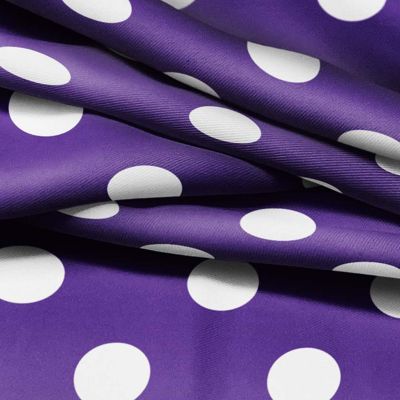
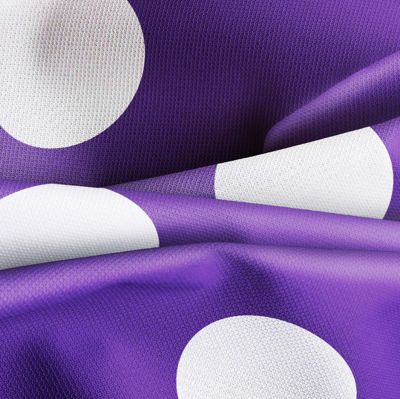
The printed design of the fabric features circular and polka dot shapes in predominant tones of night blue, cotton white, and a subtle touch of antique mauve purple, which give it a fresh and modern look. This fabric can be combined with other plain colors such as white, black, shades of gray, and beige, which help to further enhance its design.
The fabric is printed with a single-sided design using digital textile printing, which means the print is only on one side of the fabric. The general characteristics of both the fabric and its printed design include a soft, slightly rough, and elastic texture to the touch.
The applications and uses of this fabric are wide and varied, including womens and mens fashion, home decoration elements for the kitchen, living room, and bedroom. Furthermore, it is a timeless fabric that can be used at any time of the year.
It is important to note the necessary care for this fabric, such as not bleaching, not using temperatures higher than 30°C when washing, dry cleaning allowed except with trichloroethylene, ironing at cold temperatures, and not tumble drying.
The printing technology used on this fabric is sublimation, which consists of transferring inks through heat and direct pressure onto the fabric fibers. This process allows the ink to be fixed on the fabric, guaranteeing high quality in the reproduction of colors and designs.