Close
Click or press [Enter] to view the results
Trends


Printed Fabrics View articles
Telas en Colores Lisos View articles
Telas para Imprimir View articles
Trends
Printed Fabrics View articles
Telas en Colores Lisos View articles
Telas para Imprimir View articles


| Material: | 82% Polyester, 18% Elastane |
| Width (cm): | 150 |
| Grammage (g/m²): | 270 |
| Features: | Elastic, Chlorine Resistant, Very High UV Protection 50+ |
| Application / Use: | Body, Swimsuit, Bikinis, Jersey, Tights / Leggings |
| Manufacturing Method: | Single-sided digital textile printing, all products are custom-made to order. |
| Care: |
     |
The base fabric is Polyester Lycra - Nairobi, weighing 270 gr/m2, and its plain color is Halloween Orange with a CMYK composition of 13% Cyan ink, 44% Magenta ink, 100% Yellow ink, and 3% Black ink. It is an intense and striking color that radiates energy and vitality. This color pairs very well with other shades of oranges, yellows, and greens.
The base fabric and plain color are the result of single-sided digital textile printing, meaning the design is applied to only one part of the fabric. The fabrics texture is elastic and soft to the touch, with a chlorine-resistant finish and very high UV protection of 50+. These characteristics make it highly suitable for sports and swimwear applications, such as bikinis, leotards, leggings, and swimsuits, as well as for lingerie and general fashion.
The fabrics applications and uses are varied and extensive, making it an interesting option for diverse needs. For water sports and gymnastics, it is chlorine-resistant and dries quickly. For swimwear, it offers very high UV protection, making it ideal for sun exposure. Lingerie and fashion can also benefit from the fabrics texture and elasticity, allowing clothes to adapt better to the body and offer greater comfort.
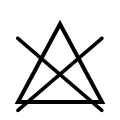
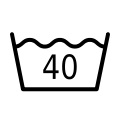
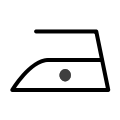
It is important to consider the specific care instructions for this base fabric, such as avoiding bleach, washing at a maximum temperature of 40 °C, not tumble drying, and ironing at a low temperature. The fabric can be dry cleaned, except for trichloroethylene.
The printing technology used is sublimation, which is performed using a special inkjet printer that deposits the ink directly onto the fabric. The ink turns into gas at high temperatures, penetrating the fabric and creating a durable and resistant image. This technique is eco-friendly, has a low environmental impact, and allows for the creation of complex and detailed designs on the fabric.