Close
Click or press [Enter] to view the results
Trends


Printed Fabrics View articles
Telas en Colores Lisos View articles
Telas para Imprimir View articles
Trends
Printed Fabrics View articles
Telas en Colores Lisos View articles
Telas para Imprimir View articles


| Material: | 82% Polyester, 18% Elastane |
| Width (cm): | 150 |
| Grammage (g/m²): | 270 |
| Features: | Elastic, Chlorine Resistant, Very High UV Protection 50+ |
| Application / Use: | Body, Swimsuit, Bikinis, Jersey, Tights / Leggings |
| Manufacturing Method: | Single-sided digital textile printing, all products are custom-made to order. |
| Care: |
     |
The base fabric is Nairobi Polyester Lycra, with a composition of 82% polyester and 18% elastane, a weight of 270 gr/m2, and a width of 150 cm. The solid color printed on the fabric is a pale Purple/Lilac, with a CMYK of 23 17 3 0, which conveys a feeling of sweetness, serenity, and elegance. This secondary color combines beautifully with colors such as navy blue, white, light gray, pastel pink, and beige, among others.
It is important to note that the base fabric is printed with the solid color on one side using digital textile printing, which means it is not a dyed fabric but rather printed on one side. The fabric is characterized by its elastic texture and its chlorine-resistant finish, with a very high UV Protection Factor 50+.
Regarding its applications and uses, Nairobi Polyester Lycra is mainly used in the manufacture of lingerie, bodysuits, sportswear, swimwear (bikinis and swimsuits), leotards, and tights/leggings. Its use is timeless and adapts to each season according to current trends, being a versatile fabric used by women, men, and children alike.
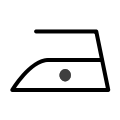
It is essential to consider the necessary care to maintain the properties of the base fabric and the printed solid color. It is recommended not to bleach, wash at a maximum temperature of 40ºC, do not tumble dry, iron at a cool temperature, and avoid the use of trichloroethylene. In addition, dry cleaning is allowed.
Finally, the printing technology used in the manufacture of Nairobi Polyester Lycra is sublimation (polyester), which allows colors to be fixed onto the fabric in a durable and wear-resistant manner for daily use. This process is carried out by means of a thermal press that transfers the inks of the printed image directly to the fabric, guaranteeing unique quality and sharpness in the final result.