Close
Click or press [Enter] to view the results
Trends


Printed Fabrics View articles
Telas en Colores Lisos View articles
Telas para Imprimir View articles
Trends
Printed Fabrics View articles
Telas en Colores Lisos View articles
Telas para Imprimir View articles


| Material: | 82% Polyester, 18% Elastane |
| Width (cm): | 150 |
| Grammage (g/m²): | 270 |
| Features: | Elastic, Chlorine Resistant, Very High UV Protection 50+ |
| Application / Use: | Body, Swimsuit, Bikinis, Jersey, Tights / Leggings |
| Manufacturing Method: | Single-sided digital textile printing, all products are custom-made to order. |
| Care: |
     |
The base fabric is a Polyester Lycra - Nairobi, weighing 270 gr/m2 and 150 cm wide. The solid printed color is a Dark Forest Green, represented by CMYK 85 57 78 76. This color is a dark and deep shade that evokes nature and offers a sense of calm and balance. It pairs especially well with light orange and soft yellow tones, as well as neutral shades such as white, gray, and black.
The Polyester Lycra base fabric offers an elastic texture and feel, making it perfect for garments that require a comfortable and adaptable fit to the body. Additionally, it features a chlorine-resistant finish and a very high UV protection factor of 50+, making it ideal for swimwear and sportswear manufacturing.
The solid printed color is vibrant and durable, thanks to digital textile printing technology. The fabric is printed on one side, meaning the color will only appear on one side of the fabric.
The applications and uses of this fabric are highly versatile. In addition to swimwear and sportswear, it is perfect for manufacturing lingerie, bodysuits, bikinis, tights and leggings, as well as swimsuits and fashion garments.
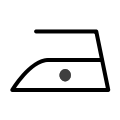
As it is a delicate fabric, it is important to follow the manufacturers care instructions: it is recommended not to bleach, wash at a maximum temperature of 40ºC, and iron at a low temperature. Furthermore, it can be dry cleaned (except with trichloroethylene) but is not suitable for tumble dryers.
The printing technology used to manufacture this fabric is polyester sublimation, which allows for excellent print quality and vibrant, long-lasting colors. This process involves heating the ink pigments so that they transfer to the fabric permanently without leaving residues on the fabric surface.