Close
Click or press [Enter] to view the results
Trends


Printed Fabrics View articles
Telas en Colores Lisos View articles
Telas para Imprimir View articles
Trends
Printed Fabrics View articles
Telas en Colores Lisos View articles
Telas para Imprimir View articles


| Material: | 85% Polyester, 15% Elastane |
| Width (cm): | 150 |
| Grammage (g/m²): | 190 |
| Features: | Soft, Elastic, Chlorine Resistant, Very High UV Protection 50+ |
| Application / Use: | Scrunchie, Scrunchies, Bikinis, Swimsuit, Swimsuit |
| Sustainability certificates: | GRS |
| Manufacturing Method: | Single-sided digital textile printing, all products are custom-made to order. |
| Care: |
     |
Recycled Lycra is an elastic and soft textile fabric, composed of 85% polyester and 15% elastane, with a weight of 190 gr/m2 and a width of 150 cm. The printed color is olive green with a CMYK of 17 1 33 0, obtained thanks to sublimation technology.
This color conveys a sense of calm and naturalness, associated with nature and the environment. It combines well with other earthy colors such as browns and beige, as well as with more vivid and bright tones such as orange or pink.
The fabric is printed with a solid color on one side using digital textile printing, which means that the printed color is only on one side of the fabric.
Recycled Lycra is a fabric with highly valued general characteristics in the textile sector. It is elastic and soft to the touch, resistant to chlorine and UV rays, with a very high protection factor of 50+. In addition, its composition with a high percentage of recycled polyester makes it a sustainable and environmentally friendly option.
Regarding the applications and uses of the base fabric, its use in sports swimwear such as bikinis and swimsuits stands out, thanks to its resistance to chlorine and UV rays. It is also used in the making of scrunchies.
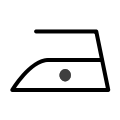
As for care, it is important to note that the garment does not allow bleach or dry cleaning, and it is recommended to iron at low temperature. In addition, a dryer should not be used to avoid damage to the fabric.
Finally, the printing technology used to manufacture this fabric is sublimation, which consists of applying ink to polyester through heat and pressure, which allows for greater durability and vibrancy in the printed colors.