Close
Click or press [Enter] to view the results
Trends


Printed Fabrics View articles
Telas en Colores Lisos View articles
Telas para Imprimir View articles
Trends
Printed Fabrics View articles
Telas en Colores Lisos View articles
Telas para Imprimir View articles


| Material: | 85% Polyester, 15% Elastane |
| Width (cm): | 150 |
| Grammage (g/m²): | 190 |
| Features: | Soft, Elastic, Chlorine Resistant, Very High UV Protection 50+ |
| Application / Use: | Scrunchie, Scrunchies, Bikinis, Swimsuit, Swimsuit |
| Sustainability certificates: | GRS |
| Manufacturing Method: | Single-sided digital textile printing, all products are custom-made to order. |
| Care: |
     |
The base fabric is 190 gr/m2 Recycled Lycra, composed of 85% polyester and 15% elastane. The printed color is Frog Green, with a CMYK of 25 3 36 0. This color symbolizes nature and revitalizes the environment, generating a fresh effect. It combines with light and dark tones like black and white, but also with blue and pink tones.
The fabric is digitally printed with a solid color on one side, which gives it great sharpness and greater durability to the printed color. The general characteristics are its softness to the touch and its elasticity, which makes it ideal for any garment that needs to adapt to the body, such as sportswear, swimwear, and beach dresses. In addition, it has very high UV protection 50+, chlorine resistance, and is sustainable due to its GRS certification.
The applications and uses are diverse, including scrunchies, bikinis, and swimsuits, but it can also be used in casual and festive wear. Thanks to its elasticity, it is also ideal for garments that require movement and flexibility, such as leggings and tops.
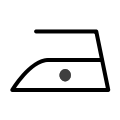
To properly care for this fabric, it should be machine washed at a maximum temperature of 40°C and without bleach. It can be ironed at a cool temperature and tumble drying is not recommended.
The printing technology used to manufacture this fabric is sublimation, which involves transferring inks to the fabric using heat and pressure. This allows for greater printing precision, greater detail, and the ability to print a wide variety of designs. In addition, it is an environmentally friendly technique, as it does not use water in the printing process.