Close
Click or press [Enter] to view the results
Trends


Printed Fabrics View articles
Telas en Colores Lisos View articles
Telas para Imprimir View articles
Trends
Printed Fabrics View articles
Telas en Colores Lisos View articles
Telas para Imprimir View articles


| Material: | 93% Polyester, 7% Elastomer |
| Width (cm): | 145 |
| Grammage (g/m²): | 145 |
| Features: | Soft, Smooth |
| Application / Use: | Bermuda, Shirts, Clothespin Bag, Cushions, Swimsuit |
| Sustainability certificates: | GRS |
| Manufacturing Method: | Single-sided digital textile printing, all products are custom-made to order. |
| Care: |
    |
The base fabric Recycled Polyester Sportswear - Basic is a blend of 93% polyester and 7% elastane, with a weight of 145 gr/m2 and a width of 145cm. Its characteristics include a soft and smooth texture to the touch. The solid color printed on the fabric is Raw, Bleached Almond, with a CMYK of 5 12 24 0. This secondary color is the result of a combination of cyan, magenta, and yellow inks, with a complete absence of black ink. The Raw color can be easily combined with darker and deeper tones, such as the range of browns and more muted greens, to give them a fresher and lighter touch.
It is important to remember that the fabric is printed with the solid color on one side using digital textile printing and is not dyed but printed with a single layer. This digital printing allows for more intense and detailed colors on the fabric, with the flexibility to customize any design through the use of software and imaging technologies.
The Recycled Polyester Sportswear - Basic fabric is highly versatile and has a wide variety of applications and uses. It is perfectly suited for making sportswear and swimwear, such as Bermuda shorts and sports shirts for men, women, and children. It is also ideal for use in other applications that require a lightweight and flexible fabric. Due to its resistance to moisture and sweat, it can be used for outdoor upholstery and beach accessories.
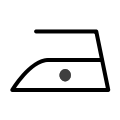
It is necessary to follow certain care instructions to maintain the quality of the fabric, such as washing at a maximum temperature of 40ºC, not bleaching, and ironing at a cool temperature. In addition, it cannot be tumble dried to prevent the fabric from shrinking.
The printing technology used to manufacture this fabric is sublimation. Basically, an image is printed on sublimation paper and then transferred to the fabric under heat and pressure in a heat press. The image turns into a gas that infiltrates the fibers of the fabric, resulting in a durable and wear-resistant finish. Sublimation printing technology is one of the most advanced available for high-quality textile printing.