Close
Click or press [Enter] to view the results
Trends


Printed Fabrics View articles
Telas en Colores Lisos View articles
Telas para Imprimir View articles
Trends
Printed Fabrics View articles
Telas en Colores Lisos View articles
Telas para Imprimir View articles


| Material: | 100% Organic cotton |
| Width (cm): | 150 |
| Grammage (g/m²): | 110 |
| Features: | Soft, Rigid |
| Application / Use: | Shirts, Dresses, Blouses, Cushions, Table Runners |
| Sustainability certificates: | GOTS |
| Manufacturing Method: | Single-sided digital textile printing, all products are custom-made to order. |
| Care: |
     |
The base fabric is Organic Cotton Poplin - Verona, with a composition of 100% ORGANIC COTTON, a light weight of 110 gr/m2 and a width of 150 cm, certified with the GOTS-ORGANIC CU1016503 seal that accredits it as sustainable. The plain printed color is a Goose Grey, with a CMYK of 18 15 16 0. This secondary color can be described as a soft and elegant shade that combines perfectly with pastel, dark and earthy tones.
The fabric is printed with the plain color on one side by digital textile printing, which makes it a unique and exclusive design. The texture of the fabric is soft to the touch, yet at the same time rigid, which gives it great versatility when making different types of fashion garments, both for men and women and even for children.
Organic Cotton Poplin - Verona is a fabric that is mainly used for summer fashion garments due to its lightness and freshness, being suitable for making shirts, blouses, as well as dresses. Although it can also be used for other types of garments, such as skirts or pants.
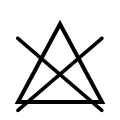
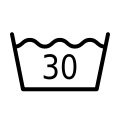
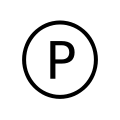
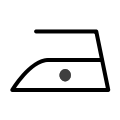
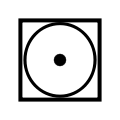
It is important to maintain the care recommended by the manufacturer to ensure the durability of the fabric and maintain its appearance in perfect condition. Bleaching is not recommended, and it is advisable to wash at a maximum temperature of 30ºC, it allows dry cleaning except trichloroethylene, and iron at low temperature. It can also be tumble dried at reduced temperature.
The printing technology used for the manufacture of this fabric is reactive direct digital for natural fibers. This printing technology guarantees a higher quality and resistance of the ink on the fabric by creating a molecular bond between the dye and the fabric fiber. This allows the printed color to be more resistant to washing and wear compared to other printing methods.