Close
Click or press [Enter] to view the results
Trends


Printed Fabrics View articles
Telas en Colores Lisos View articles
Telas para Imprimir View articles
Trends
Printed Fabrics View articles
Telas en Colores Lisos View articles
Telas para Imprimir View articles


| Material: | 94% Polyester, 6% Elastane |
| Width (cm): | 150 |
| Grammage (g/m²): | 180 |
| Features: | Elastic, Granules |
| Application / Use: | Dresses, Monkeys, T-shirts, Tops, Skirts |
| Manufacturing Method: | Single-sided digital textile printing, all products are custom-made to order. |
| Care: |
     |
| Notices: |
En colores lisos y/o estampados este tejido puede blanquear si se abre en exceso, es ampliamente adquirido por nuestros clientes en productos textiles que no exigen grandes elongaciones. Recomendamos adquirir una muestra para validar que es la textura y acabado que busca. |
The base fabric is the Elastic Knit Crepe - Riga, composed of 94% polyester and 6% elastane, with a weight of 180 gr/m2 and a width of 150 cm. The solid printed color is a dark grayish blue, with a CMYK of 99-72-42-38. This shade adds depth and elegance to the fabric, and combines perfectly with other neutral colors such as black and white, but also with more vivid tones such as red or green.
The fabric is printed with this color on one side using digital textile printing, which provides a high-quality and durable result. The base fabric has characteristics such as texture, feel, and elasticity, which makes it perfect for fitted and comfortable clothing. On the other hand, the solid printed color is resistant to washing and sun, so it maintains its appearance and quality over time.
Among the applications and uses of this fabric are womens and mens fashion, for garments such as dresses, jumpsuits, t-shirts, tops, skirts, pants, cardigans, and knitwear. Thanks to its elasticity and lightness, it is ideal for tight-fitting and fluid garments that conform to the body without constricting.
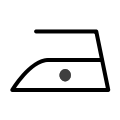
Regarding care, we recommend not bleaching the fabric and washing at a maximum temperature of 40°C. It can be dry cleaned except with trichloroethylene, ironed at low temperature, and tumble dried at a reduced temperature. This ensures a long life and preservation of the fabric.
The printing technology used to manufacture this fabric is sublimation, which is carried out through a process that involves applying heat and pressure to a transfer paper printed with the desired digital image. The ink used transforms into vapor upon contact with the fabric surface and impregnates its fibers, which guarantees superior image quality and fidelity compared to other printing methods. With this technique, we can print personalized and exclusive designs for a wide variety of uses and applications.