Close
Click or press [Enter] to view the results
Trends


Printed Fabrics View articles
Telas en Colores Lisos View articles
Telas para Imprimir View articles
Trends
Printed Fabrics View articles
Telas en Colores Lisos View articles
Telas para Imprimir View articles


| Material: | 97% Polyester, 3% Elastane |
| Width (cm): | 150 |
| Grammage (g/m²): | 282 |
| Features: | Soft |
| Application / Use: | Knitwear, Tops, T-shirts, Pants, Dresses |
| Manufacturing Method: | Single-sided digital textile printing, all products are custom-made to order. |
| Care: |
     |
The base fabric in question is Punto Roma Elástico - Lyon, a knit fabric composed of 97% polyester and 3% elastane, with a weight of 282 gr/m2 and a width of 150 cm. Its solid printed color is a Maize Yellow, which is characterized by having a cyan ink of 10, a magenta ink of 1, a yellow ink of 56 and no black ink, making its CMYK 10 1 56 0. This secondary color is very lively and brings luminosity, joy and vitality to garments made with this fabric. It combines very well with other warm tones such as orange or pink, and also with more neutral tones such as white or gray.
It is important to note that this fabric is printed with the solid color on one side using digital textile printing, which means that the ink is applied directly to the surface of the fabric, instead of being absorbed by it. This provides great definition of details and image quality, which ensures that the printed color is sharp and has very good durability.
Regarding the general characteristics of the base fabric, it can be said that its texture is soft and its feel is also pleasant, which makes it perfect for comfortable clothing and for use in home wear. In addition, its elasticity provides greater comfort and freedom of movement. As for its applications and uses, in addition to those already described, it can be used to manufacture sportswear such as leggings or yoga pants thanks to its elasticity and resistance.
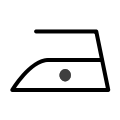
Regarding the care that should be taken for this type of fabric, it is recommended not to bleach, wash at maximum temperatures of 30ºC, do not tumble dry and iron at cold temperature. It can also be dry cleaned, as long as it does not contain trichloroethylene.
Finally, the printing technology used to manufacture this fabric is sublimation (polyester). This process uses special inks that are printed on transfer paper and then transferred by means of heat and pressure directly to the fabric. This allows the design printed on the fabric to be resistant to fading and wear, which ensures that the garment made will have good durability and an excellent appearance over time.