Close
Click or press [Enter] to view the results
Trends


Printed Fabrics View articles
Telas en Colores Lisos View articles
Telas para Imprimir View articles
Trends
Printed Fabrics View articles
Telas en Colores Lisos View articles
Telas para Imprimir View articles


| Material: | 97% Polyester, 3% Elastane |
| Width (cm): | 150 |
| Grammage (g/m²): | 209 |
| Features: | Wrinkled, Elastic, Soft |
| Application / Use: | Pants, Cloths, Skirts, Jeans, Shorts |
| Manufacturing Method: | Single-sided digital textile printing, all products are custom-made to order. |
| Care: |
     |
The base fabric, Bi-elastic Twill - Lisbon, is composed of 97% POLYESTER and 3% ELASTANE, with a weight of 209 gr/m2 and a width of 150 cm. The plain printed color is Corn Yellow, with a CMYK of 4 3 42 0. This color symbolizes joy and creativity, bringing a fresh touch to any garment or accessory.
This secondary color combines perfectly with white and light gray, providing an elegant and fresh look at the same time. Combinations with brown and dark green also stand out, creating a natural and relaxed atmosphere. Due to its tone, this color can be combined with a large number of colors, from the warmest to the coolest.
It is important to highlight that the fabric is printed with the plain color on one side by digital textile printing, which allows for high print quality, resistance and durability.
The base fabric has a soft, rough and elastic texture, which makes it ideal for making garments that require comfort and freedom of movement. In addition, its degree of elasticity allows it to adapt perfectly to the body. The combination of polyester and elastane gives it great resistance and durability. For its part, the plain printed color is vibrant, resistant and durable.
Among the applications and uses of this fabric are the making of garments such as pants, skirts, jeans, shorts, dresses, as well as the making of accessories such as cloths or cushions for the kitchen, and decorative elements such as frames and pictures. Its season is timeless.
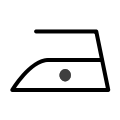
For its care, it is recommended to wash it at a maximum temperature of 30ºC and not to use bleach. It can also be dry cleaned, except with trichloroethylene. Ironing should be done at a cool temperature and it should not be tumble dried.
This fabric is manufactured using sublimation printing technology, a process in which the ink turns into vapor and chemically bonds with the fabric fibers. This allows the ink to penetrate deep into the fabric, obtaining a high quality and durable print.