Close
Click or press [Enter] to view the results
Trends


Printed Fabrics View articles
Telas en Colores Lisos View articles
Telas para Imprimir View articles
Trends
Printed Fabrics View articles
Telas en Colores Lisos View articles
Telas para Imprimir View articles


| Material: | 96% Polyester, 4% Elastane |
| Width (cm): | 150 |
| Grammage (g/m²): | 220 |
| Features: | Soft, Thin |
| Application / Use: | Shirts, Skirts, Blouses, Dresses, Handkerchiefs |
| Manufacturing Method: | Single-sided digital textile printing, all products are custom-made to order. |
| Care: |
     |
| Notices: |
Existen diferentes tipos de Sarga disponibles sen nuestra web, este tejido es una Sarga fina de bajo gramaje. Recomendamos adquirir una muestra para validar que es la textura que busca. |
The base fabric is a 220 gr/m2 twill composed of 96% polyester and 4% elastane, with a width of 150 cm. The plain printed color is a corn yellow tone, with a cyan ink mix of 4, magenta of 3, yellow of 42, and black of 0, expressed in CMYK as 4 3 42 0. This color is soft to the touch and its texture is thin.
The corn yellow color is a spring and summer color. It is associated with happiness, energy, and joy, and symbolizes friendship and loyalty. This color combines perfectly with other warm tones such as orange, coral, pink, or red, and can look equally good with more neutral tones such as white, gray, and black.
The fabric is printed with the plain color on one side using digital textile printing, which means that the pattern or design is transferred directly onto the fabric surface.
The base fabric has a soft and thin texture, making it ideal for light and comfortable clothing. In addition, the polyester and elastane composition makes it resistant and flexible. The fabric is mainly used for manufacturing shirts, skirts, blouses, dresses, and scarves.
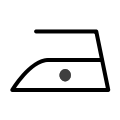
It is recommended not to bleach the fabric and to wash it at a maximum temperature of 30ºC. Dry cleaning is possible, except using trichloroethylene. For ironing, it is recommended to use a cold temperature and not to tumble dry.
The printing technology used to manufacture this fabric is polyester sublimation. This process involves transferring ink from special paper onto the fabric surface, using heat and pressure. The ink turns into vapor and adheres to the fabric, creating a solid and intense image and colors. This method allows for exact and detailed printing and does not require the use of water or aggressive chemicals.