Close
Click or press [Enter] to view the results
Trends


Printed Fabrics View articles
Telas en Colores Lisos View articles
Telas para Imprimir View articles
Trends
Printed Fabrics View articles
Telas en Colores Lisos View articles
Telas para Imprimir View articles


| Material: | 97% Cotton, 3% Elastane |
| Width (cm): | 150 |
| Grammage (g/m²): | 195 |
| Features: | Soft |
| Application / Use: | Pillowcases, Dresses, Shirts, Monkeys, Pants |
| Manufacturing Method: | Single-sided digital textile printing, all products are custom-made to order. |
| Care: |
     |
The cotton spandex satin - White Tiger features a pale lilac purple printed with 23% cyan, 17% magenta, 3% yellow, and 0% black ink (CMYK: 23 17 3 0). This color evokes calmness, relaxation, and romance. When combined with earthy tones or grays, its sweetness and delicacy are enhanced.
The base fabric is soft to the touch, thanks to its satin texture and its composition of 97% cotton and 3% elastane. Additionally, it has a weight of 195 gr/m2 and a width of 150 cm. This fabric is ideal for making clothes and accessories, as well as for home textiles.
It is important to note that the fabric is printed with the plain color on one side using digital textile printing, which gives the design high resolution and sharpness.
Among the general characteristics of the fabric are its softness, shine, and elasticity, which make it a very versatile and comfortable fabric. As for the printed color, its vibrancy and sharpness are its main attributes, in addition to the range of colors that can be achieved through digital printing.
Regarding the applications and uses of the base fabric, it is perfect for making dresses, shirts, jumpsuits, shorts, bags, and purses, as well as for creating pillowcases and napkins. In addition, its softness and shine make it ideal for interior decoration such as cushions, curtains, and bedding.
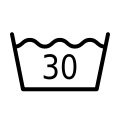
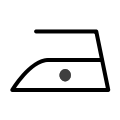
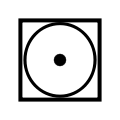
As for the care instructions for this fabric, it is recommended to wash it at a maximum temperature of 30ºC, do not use bleach, iron it cold, and avoid trichloroethylene, as well as tumble dry at a reduced temperature.
Finally, the printing technology used to manufacture this fabric is reactive direct digital printing on natural fibers, which allows for more precise, sharp, and resistant designs on any type of fabric, provided it is properly cared for.