Close
Click or press [Enter] to view the results
Trends


Printed Fabrics View articles
Telas en Colores Lisos View articles
Telas para Imprimir View articles
Trends
Printed Fabrics View articles
Telas en Colores Lisos View articles
Telas para Imprimir View articles


| Material: | 100% Polyester |
| Width (cm): | 150 |
| Grammage (g/m²): | 82 |
| Features: | Thin, Soft, Translucent, Granules |
| Application / Use: | Dresses, Dresses, Skirts, Blouses, Brides |
| Sustainability certificates: | GRS |
| Manufacturing Method: | Single-sided digital textile printing, all products are custom-made to order. |
| Care: |
     |
The Recycled Crepe Chine - Eros base fabric is a Crepe fabric with a composition of 100% POLYESTER. Its weight is 82 gr/m2 and its fabric width is 150 cm. The plain printed color is Corn Yellow, with a CMYK of 4 0 63 0, which gives it a soft and warm yellow tone. This secondary color combines perfectly with soft tones such as aqua green, pale pink or light purple.
This fabric is printed with the plain color on one side by digital textile printing, which means that it is not a dyed fabric but printed on one side. The general characteristics of the fabric are its thin and soft texture to the touch, with a translucent and grainy visual texture.
Among the attributes of the base fabric, its applications and uses stand out, ranging from fashion and accessories to lingerie and brides. In particular, it is frequently used for dresses, skirts, blouses and shirts, but also for scarves and other accessories. This versatility is due to the fabrics ability to be soft, elegant and light, ideal for summer garments, but also for a wide variety of styles and events.
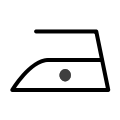
Regarding the care of the fabric, it is important to note that it should not be bleached and that the maximum washing temperature is 30ºC. In addition, it is suitable for dry cleaning, although it does not allow the use of trichloroethylene, and can be ironed at low temperature. On the other hand, avoid tumble drying to avoid damaging the fabric.
The printing technology used to manufacture this fabric is polyester sublimation. This process consists of printing the desired image on transfer paper and then transferring it with heat and pressure onto the fabric. Thanks to this technique, complex designs with high resolution and great durability can be created.