Close
Click or press [Enter] to view the results
Trends


Printed Fabrics View articles
Telas en Colores Lisos View articles
Telas para Imprimir View articles
Trends
Printed Fabrics View articles
Telas en Colores Lisos View articles
Telas para Imprimir View articles


| Material: | 100% Polyester |
| Width (cm): | 150 |
| Grammage (g/m²): | 28 |
| Features: | Transparent, Thin |
| Application / Use: | Brides, Dresses, Sarong, Handkerchiefs, Dresses |
| Manufacturing Method: | Single-sided digital textile printing, all products are custom-made to order. |
| Care: |
     |
| Notices: |
Al ser un tejido vaporoso, en metrajes superiores a 5 metros, pueden presentarse pequeños pliegues en los extremos del tejido. |
The base fabric for this material is Transparent Gauze - Salamanca, made from 100% polyester with a weight of 28 gr/m2. The plain printed color is a Rose Brown hue, with CMYK values of 13 for cyan, 46 for magenta, 26 for yellow, and 2 for black. This color conveys a warm and inviting feeling, being a transitional shade between pink and brown. It pairs particularly well with earthy and neutral colors, such as beige, white, dark brown, and black.
It is important to note that this fabric is printed with the plain color on one side using digital textile printing, meaning the ink is printed directly onto the fabric surface, rather than being dyed during the manufacturing process. The fabrics texture is visually transparent, and its feel is delicate and soft.
Transparent Gauze - Salamanca is characterized by being a thin and lightweight fabric, ideal for making lingerie, bridal wear, dresses, and skirts, as well as beach wraps and accessories like scarves. Thanks to its transparency, it is also used in childrens dresses, giving them a delicate and ethereal look.
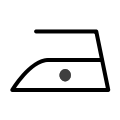
Regarding care, it is important to avoid bleaching and to wash the fabric at a maximum temperature of 30ºC. It can be dry cleaned, except with trichloroethylene, and ironed at a low temperature. It is not suitable for tumble drying.
The printing technology used for this fabric is polyester sublimation, which is carried out using a printer specially designed for this type of material. Sublimation ink is printed onto transfer paper, and then transferred to the fabric using heat and pressure. This allows for a high degree of precision and sharpness in the printed design.