Close
Click or press [Enter] to view the results
Trends


Printed Fabrics View articles
Telas en Colores Lisos View articles
Telas para Imprimir View articles
Trends
Printed Fabrics View articles
Telas en Colores Lisos View articles
Telas para Imprimir View articles


| Material: | 100% Polyester |
| Width (cm): | 150 |
| Grammage (g/m²): | 28 |
| Features: | Transparent, Thin |
| Application / Use: | Brides, Dresses, Sarong, Handkerchiefs, Dresses |
| Manufacturing Method: | Single-sided digital textile printing, all products are custom-made to order. |
| Care: |
     |
| Notices: |
Al ser un tejido vaporoso, en metrajes superiores a 5 metros, pueden presentarse pequeños pliegues en los extremos del tejido. |
The base fabric of this textile is Transparent Gauze - Salamanca, with a composition of 100% polyester and a weight of 28 gr/m2. The width of the fabric is 150 cm and its solid printed color is a dark forest green, whose CMYK is 79 45 78 49. This color symbolizes the freshness and vitality of nature, bringing a sense of harmony and balance to garments made with this fabric. It is worth noting that this color combines very well with beige, brown, and ochre tones, as well as with white and grey tones.
It is important to mention that the base fabric is printed with the solid color on one side only by digital textile printing. This means that it is not a dyed fabric but rather printed on one side. The fabric is transparent and soft to the touch, ideal for making delicate and elegant garments. In addition, the printed color is resistant and durable, which guarantees excellent print quality.
Among the attributes of the base fabric are its applications and uses in the manufacture of lingerie, dresses, skirts, scarves, and childrens clothing. This fabric is especially suitable for the summer season, as its transparency is ideal for feeling fresh on the hottest days. In addition, its softness makes it perfect for making nightwear, such as pajamas and robes.
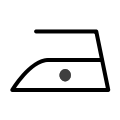
To care for this fabric, it is important to follow these recommendations: wash at a maximum temperature of 30ºC and do not use bleach. Dry cleaning is allowed, except with trichloroethylene. Iron should be used at a cold temperature, and tumble drying is not recommended.
The printing technology used to manufacture this fabric is sublimation. This process consists of printing the image on special paper and then transferring it to the base fabric using heat and pressure. In this way, a crisp and resistant print is achieved, which does not fade or lose quality when washed or ironed. This process is widely used in the textile industry for the production of personalized garments, as it allows any design to be printed with great quality and precision.