Close
Click or press [Enter] to view the results
Trends


Printed Fabrics View articles
Telas en Colores Lisos View articles
Telas para Imprimir View articles
Trends
Printed Fabrics View articles
Telas en Colores Lisos View articles
Telas para Imprimir View articles


| Material: | 97% Polyester, 3% Elastane |
| Width (cm): | 146 |
| Grammage (g/m²): | 95 |
| Features: | Brilliant, Smooth, Thin |
| Application / Use: | Shirts, Blouses, Kimono, Accessories, Monkeys |
| Manufacturing Method: | Single-sided digital textile printing, all products are custom-made to order. |
| Care: |
     |
The base fabric, Amsterdam Satin, is a 100% polyester fabric with a weight of 120 gr/m2 and a width of 150 cm. Its solid printed color is Midnight Black with an ink combination of 71 Cyan, 64 Magenta, 76 Yellow, and 83 Black in CMYK. This color presents as a deep, intense black that conveys elegance and sophistication. It perfectly complements strong and bright colors such as red and gold, as well as light and neutral tones.
It is important to note that the base fabric is printed with the solid color on one side using digital textile printing, which means the print does not penetrate the fabric but adheres to the surface with excellent detail definition and vibrant colors. In terms of its characteristics, this fabric stands out for its shiny and smooth texture to the touch, making it ideal for garments that require a high level of finish and softness against the skin. Furthermore, it is a thin and lightweight fabric that offers excellent drape and movement.
Among the applications and uses for this fabric are the manufacture of fashion garments for both women and men, such as shirts, blouses, pants, skirts, jumpsuits, and tops, as well as accessories and lingerie, such as scarves, pajamas, dresses, and bridal wear. This versatility is due to satin being an easy-to-work-with and moldable type of fabric that adapts very well to the needs of each garment and style.
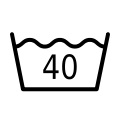
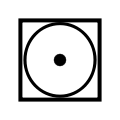
Regarding the care instructions for this fabric, it is recommended not to bleach it and to wash it at a maximum temperature of 40ºC. It can also be dry cleaned, but not with trichloroethylene, ironed at warm temperatures, and tumble dried at a reduced temperature.
The printing technology used to manufacture this base fabric is sublimation (polyester), which involves printing inks onto transfer paper using a high-definition printer and then transferring the resulting image to the fabric using heat and pressure. This process ensures exceptional print quality and optimal durability of colors and details.